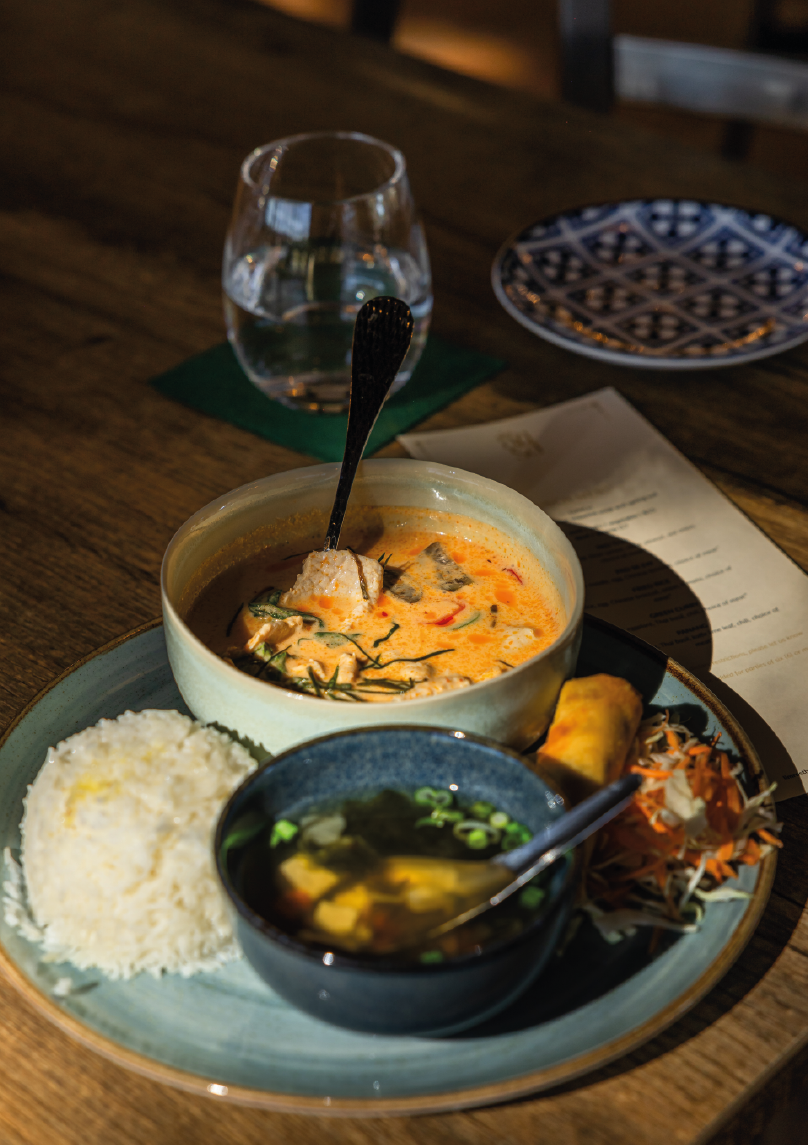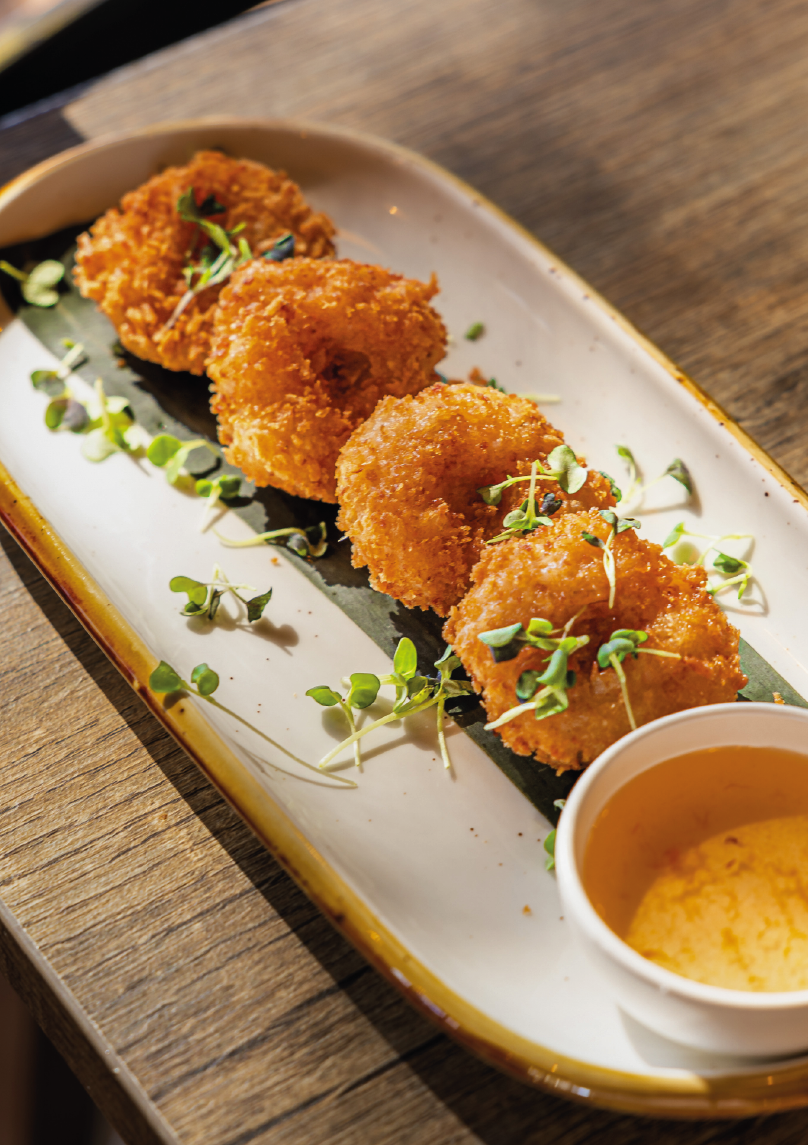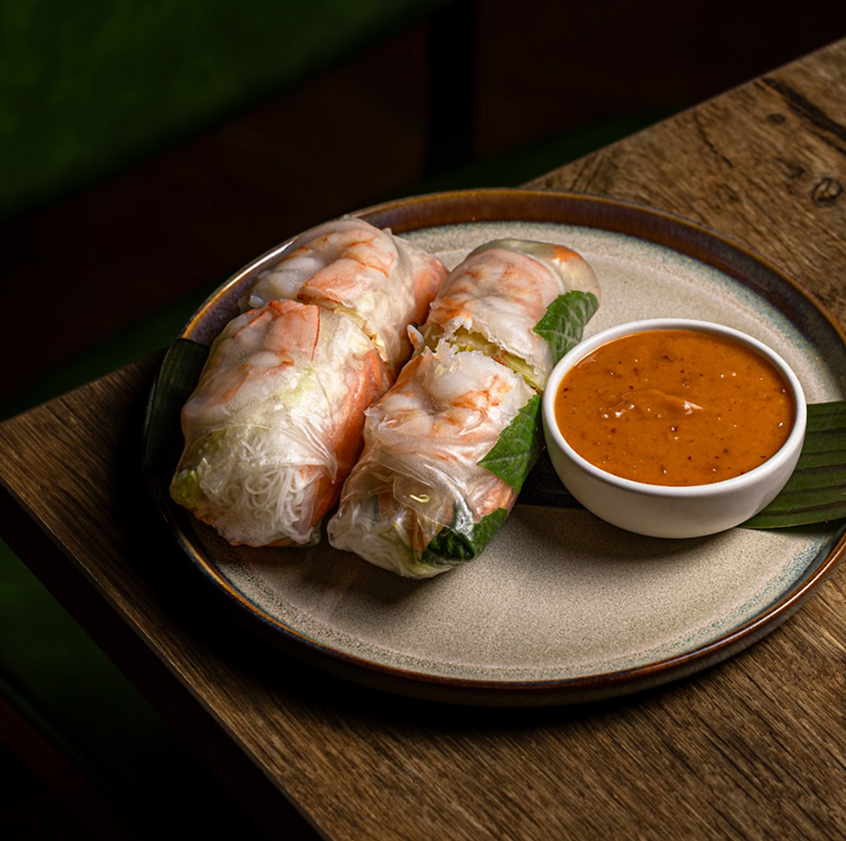
Thai food is loved around the world for its rich flavors, fresh ingredients, and perfect balance of sweet, salty, sour, and spicy tastes. Among the many famous Thai dishes, Thai yellow curry stands out because of its creamy texture, mild spice level, and comforting flavor. It is a popular choice for people who want to enjoy Thai curry without too much heat.
If you have ever looked at a Thai restaurant menu and wondered, “What is Thai yellow curry?” you are not alone. Many people are familiar with red and green curry but know very little about yellow curry. While all Thai curries share some common ingredients, yellow curry has its own unique taste, color, and cooking style.
In this guide, you will learn everything about Thai yellow curry, including its ingredients, flavor, history, different variations, nutritional value, cooking methods, and what to serve with it.
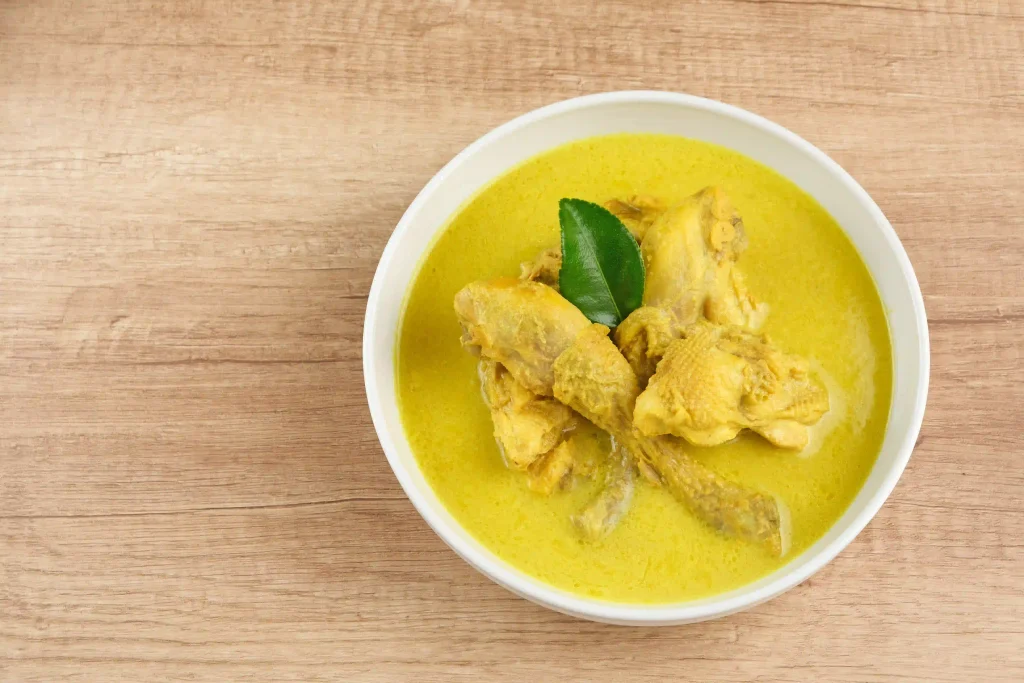
What Is Thai Yellow Curry?
Thai yellow curry is a rich, creamy curry made with yellow curry paste, coconut milk, herbs, spices, vegetables, and your choice of protein. It has a smooth texture and a mild, slightly sweet flavor that makes it one of the most beginner friendly Thai curries.
The bright yellow color comes mainly from turmeric, which is one of the key ingredients in yellow curry paste. Turmeric not only gives the curry its beautiful color but also adds an earthy flavor.
Unlike some other Thai curries that can be very spicy, Thai yellow curry focuses more on warm spices and creamy coconut milk. It is often made with chicken, potatoes, onions, and carrots, although many variations include beef, shrimp, seafood, tofu, or vegetables.
The History of Thai Yellow Curry
Thai yellow curry has an interesting history because it combines traditional Thai cooking with influences from India and nearby countries.
Many historians believe that traders introduced spices like turmeric, cumin, coriander, cinnamon, and cloves to Thailand hundreds of years ago. Thai cooks blended these spices with local ingredients such as lemongrass, galangal, garlic, shallots, and coconut milk to create a curry that became uniquely Thai.
Today, yellow curry remains one of Thailand’s most popular curry dishes and is enjoyed by locals and visitors alike.
Why Is It Called Yellow Curry?
The answer is simple.
The curry gets its bright yellow color from turmeric.
Turmeric is a golden yellow spice that has been used in Asian cooking for centuries. It gives yellow curry its distinctive appearance and contributes a warm, earthy flavor.
Some recipes may also include curry powder, which contains turmeric along with other spices that enhance the color.
What Does Thai Yellow Curry Taste Like?
Thai yellow curry has a rich and comforting flavor.
Compared to other Thai curries, it is generally the mildest.
You can expect flavors that are:
- Creamy
- Slightly sweet
- Savory
- Mildly spicy
- Warm and aromatic
- Rich from coconut milk
- Earthy from turmeric
The coconut milk softens the spices, making the dish smooth and satisfying without being overly spicy.
Many people who are new to Thai food start with yellow curry because it is easy to enjoy.
Is Thai Yellow Curry Spicy?
Thai yellow curry is usually mild.
Although it contains chili peppers, they are used in smaller amounts than in red or green curry.
The level of spice depends on the recipe and the restaurant, but in most cases, yellow curry is suitable for people who prefer less heat.
If you enjoy spicy food, you can always add fresh chilies or chili flakes.
What Is Thai Yellow Curry Paste?
Yellow curry paste is the heart of the dish.
It combines herbs, spices, and aromatics into a smooth paste that creates the curry’s signature flavor.
Common ingredients include:
- Turmeric
- Garlic
- Shallots
- Lemongrass
- Galangal
- Coriander seeds
- Cumin
- White pepper
- Dried chilies
- Shrimp paste
- Salt
Some vegetarian versions replace shrimp paste with soy based ingredients or fermented beans.
Fresh curry paste usually has a stronger flavor than packaged versions.
Main Ingredients in Thai Yellow Curry
Although recipes vary, most yellow curry dishes contain several basic ingredients.
Coconut Milk
Coconut milk creates the creamy texture.
It balances the spices and gives the curry its rich flavor.
Yellow Curry Paste
This provides the main seasoning and color.
Protein
Popular choices include:
- Chicken
- Beef
- Shrimp
- Fish
- Pork
- Tofu
Chicken is the most common option.
Vegetables
Many recipes include:
- Potatoes
- Carrots
- Onions
- Bell peppers
Potatoes are especially popular because they absorb the flavorful sauce.
Fresh Herbs
Thai basil or cilantro is often added before serving.
Fish Sauce
Fish sauce provides a deep savory flavor.
Vegetarian versions often use soy sauce instead.
Palm Sugar
Palm sugar adds a slight sweetness that balances the curry.
Lime Juice
Fresh lime juice brightens the overall flavor.
Thai Yellow Curry vs Red Curry
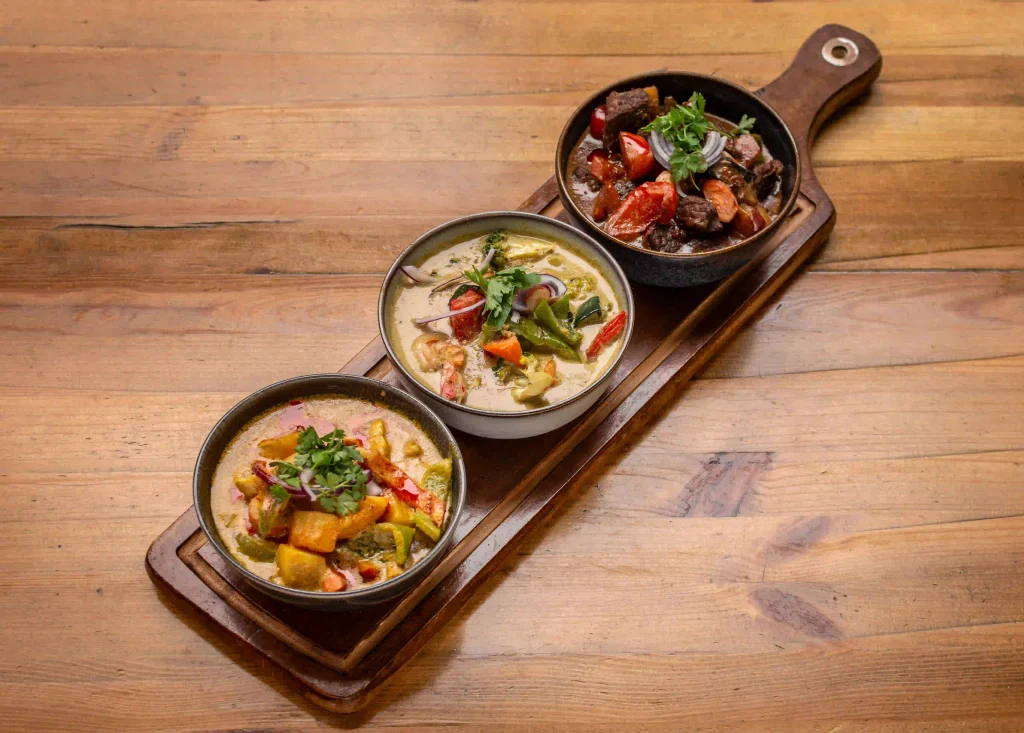
Many people wonder how yellow curry compares to Thai red curry, another popular Thai curry with a stronger chili flavor.
Yellow curry is:
- Milder
- Creamier
- Richer in turmeric
- Slightly sweeter
- Often includes potatoes
Red curry is:
- Hotter
- More chili focused
- Brighter in color
- Slightly lighter in texture
- More herb forward
Both are delicious, but they appeal to different tastes.
Thai Yellow Curry vs Green Curry
Thai green curry is generally much spicier than yellow curry and uses fresh green chilies that create a sharper heat.
Yellow curry relies more on warm spices like turmeric and cumin.
Green curry usually has:
- Fresh herbal flavor
- Strong chili heat
- Bright green appearance
Yellow curry offers:
- Smooth texture
- Mild spice
- Creamy coconut flavor
- Earthy spice blend
What Protein Works Best?
Thai yellow curry is extremely flexible.
Chicken
Chicken is the classic choice.
It absorbs the curry beautifully and stays tender.
Beef
Slow cooked beef pairs wonderfully with the rich sauce.
Shrimp
Shrimp cooks quickly and adds sweetness.
Fish
Firm white fish works well without falling apart.
Tofu
Tofu is an excellent vegetarian option.
It soaks up the flavorful curry sauce.
Popular Vegetables in Thai Yellow Curry
Vegetables make the curry more filling and colorful.
Common choices include:
- Potatoes
- Carrots
- Onions
- Bell peppers
- Green beans
- Peas
- Bamboo shoots
- Baby corn
Some cooks also add pumpkin or sweet potatoes for extra sweetness.
How Is Thai Yellow Curry Made?
Making yellow curry is easier than many people think.
The basic steps include:
Heat a little oil in a pan.
Cook the yellow curry paste until fragrant.
Add coconut milk.
Stir until smooth.
Add chicken or your chosen protein.
Add vegetables.
Simmer until everything is fully cooked.
Season with fish sauce, palm sugar, and lime juice.
Garnish with fresh herbs before serving.
The curry develops even more flavor after simmering for several minutes.
What Is Served With Thai Yellow Curry?
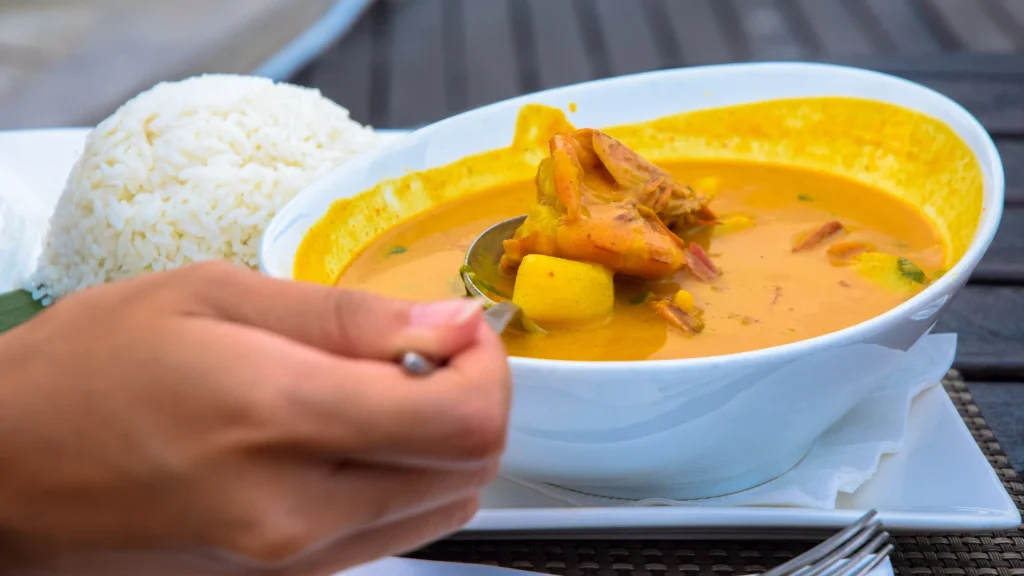
Yellow curry is usually served with steamed jasmine rice.
The soft rice absorbs the creamy sauce and balances the flavors.
Other popular side dishes include:
- Brown rice
- Coconut rice
- Rice noodles
- Roti
- Fresh cucumber salad
- Steamed vegetables
Many people enjoy spooning plenty of curry over warm rice.
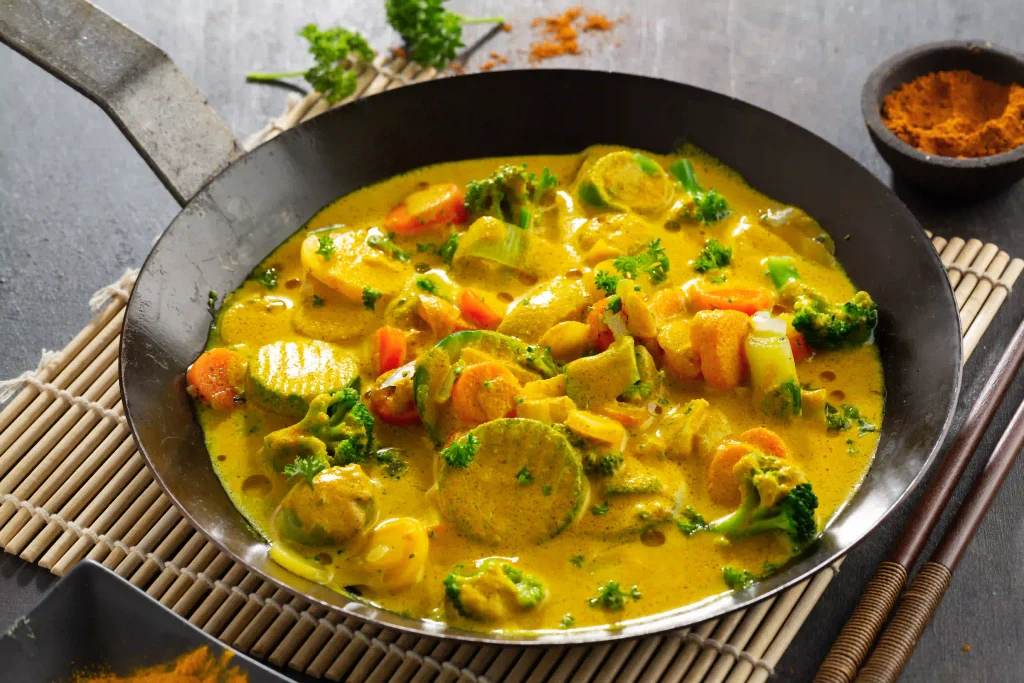
Can Thai Yellow Curry Be Vegetarian?
Yes.
Many restaurants offer vegetarian yellow curry.
Instead of chicken or seafood, they use:
- Tofu
- Mushrooms
- Chickpeas
- Mixed vegetables
Vegetarian versions also replace fish sauce with soy sauce or another plant based seasoning.
Is Thai Yellow Curry Healthy?
Thai yellow curry can be part of a balanced diet.
It provides:
- Protein
- Fiber from vegetables
- Healthy fats from coconut milk
- Vitamins
- Minerals
However, coconut milk is naturally high in calories and fat.
The nutritional value depends on portion size and ingredients.
Adding more vegetables and lean protein creates a healthier meal. If you’re interested in making healthier choices when eating Thai food, you can also learn more about whether Thai food is healthy.
Nutritional Benefits of Thai Yellow Curry
Many ingredients provide valuable nutrients.
Turmeric
Turmeric contains compounds with antioxidant properties.
Garlic
Garlic adds flavor and contains beneficial plant compounds.
Coconut Milk
Coconut milk provides healthy fats and creates a satisfying meal.
Vegetables
Carrots, onions, and potatoes provide vitamins, minerals, and fiber.
Protein
Chicken, tofu, shrimp, and fish all contribute protein that helps keep you full.
Can You Make Thai Yellow Curry at Home?
Absolutely. Many grocery stores sell ready-made yellow curry paste.
With a few simple ingredients, you can prepare restaurant style curry in less than an hour.
Homemade curry also allows you to adjust:
- Spice level
- Vegetables
- Protein
- Sweetness
- Salt
Many people enjoy experimenting with different combinations.
Tips for Making Better Thai Yellow Curry
- Use full fat coconut milk for the richest texture.
- Cook the curry paste before adding liquid.
- Do not overcook seafood.
- Allow the curry to simmer so the flavors blend together.
- Taste before serving and adjust seasoning if needed.
- Fresh herbs added at the end provide extra freshness.
Can You Freeze Thai Yellow Curry?
Yes. Yellow curry freezes well.
Allow it to cool completely before storing it in airtight containers.
It can usually be frozen for up to three months. When reheating, warm it slowly over low heat while stirring occasionally.
If the sauce becomes too thick, add a little coconut milk or water.
How Long Does Thai Yellow Curry Last?
When refrigerated properly, yellow curry usually stays fresh for three to four days. Store it in a sealed container.
Reheat thoroughly before serving.
Many people find that the flavors become even better the next day.
What Drinks Pair Well With Thai Yellow Curry?
The creamy and mildly spicy flavor pairs well with refreshing drinks.
Popular choices include:
- Thai iced tea
- Coconut water
- Iced jasmine tea
- Sparkling water
- Fresh lemonade
These drinks help balance the richness of the curry.
Common Mistakes When Making Thai Yellow Curry
- Using too much curry paste can overpower the dish.
- Skipping coconut milk reduces the creamy texture.
- Overcooking vegetables makes them soft and mushy.
- Adding lime juice too early can reduce its fresh flavor.
- Using low quality curry paste may result in a less flavorful curry.
- Cooking slowly and tasting as you go usually produces the best results.
Who Will Enjoy Thai Yellow Curry?
Yellow curry is an excellent choice for:
- People trying Thai food for the first time
- Families
- Children who prefer mild foods
- Anyone who enjoys creamy dishes
- Those looking for comforting meals
Because it is less spicy than many Thai dishes, it appeals to a wide range of tastes.
Where Can You Find Authentic Thai Yellow Curry?
Authentic Thai yellow curry is served in many Thai restaurants around the world.
When choosing a restaurant, look for one that prepares fresh curry using traditional ingredients.
A good Thai restaurant will often make its curry paste fresh or use high quality ingredients to create a rich and balanced flavor.
Fresh herbs, creamy coconut milk, and properly cooked vegetables all contribute to an authentic experience.
FAQs About Thai Yellow Curry
Can Thai yellow curry be made dairy free?
Yes. Traditional Thai yellow curry is usually dairy free because it uses coconut milk instead of cream or cow’s milk. However, always check the ingredients if you are buying prepared curry paste or eating at a restaurant.
Is Thai yellow curry gluten free?
Many Thai yellow curry recipes are naturally gluten free, but some curry pastes and sauces may contain ingredients with gluten. It is best to confirm with the restaurant or read the product label if you have gluten sensitivity.
What is the best rice to serve with Thai yellow curry?
Jasmine rice is the most popular choice because its soft texture and fragrant aroma pair perfectly with the creamy curry sauce. Brown rice is another good option for those who prefer whole grains.
Does Thai yellow curry contain peanuts?
Traditional Thai yellow curry does not usually contain peanuts. However, cross contamination is possible in restaurant kitchens, so people with peanut allergies should always ask before ordering.
Can I make Thai yellow curry in a slow cooker?
Yes. You can prepare Thai yellow curry in a slow cooker by adding the protein, vegetables, curry paste, and coconut milk, then cooking on low until the ingredients are tender and the flavors have blended together.
What vegetables should I avoid in Thai yellow curry?
Very watery vegetables, such as lettuce or cucumber, are not suitable because they lose their texture during cooking. Firmer vegetables like carrots, potatoes, and green beans work much better.
Can Thai yellow curry be made ahead of time?
Yes. It is an excellent make ahead meal because the flavors continue to develop as it sits. Store it in the refrigerator and reheat gently before serving.
Is Thai yellow curry suitable for meal prep?
Yes. It stores well in individual containers and can be paired with freshly cooked rice for easy lunches or dinners throughout the week.
How can I make Thai yellow curry thicker?
You can let the curry simmer longer to reduce the liquid, use full fat coconut milk, or add extra potatoes, which naturally help thicken the sauce as they cook.
What desserts pair well with Thai yellow curry?
Light desserts such as mango sticky rice, coconut ice cream, fresh tropical fruit, or fried banana are popular choices because they complement the rich and creamy flavors of the curry.
Conclusion
Thai yellow curry is one of the most comforting and approachable dishes in Thai cuisine. Known for its rich coconut milk base, warm spices, and beautiful golden color, it offers a delicious balance of creamy, savory, and slightly sweet flavors without overwhelming heat.
Whether you enjoy it with chicken, beef, shrimp, tofu, or vegetables, Thai yellow curry is a versatile meal that suits many tastes and dietary preferences. It pairs perfectly with steamed jasmine rice and can easily be customized to match your favorite ingredients.
If you are visiting a Thai restaurant for the first time, yellow curry is an excellent place to start. Its mild spice level, smooth texture, and satisfying flavor make it a favorite for both beginners and longtime fans of Thai food.
If you are looking for authentic Thai cuisine made with fresh ingredients and traditional recipes, Lim Ros Thai Restaurant offers a variety of flavorful Thai dishes, including classic curries prepared with care. Whether you are dining with family, meeting friends, or trying Thai food for the first time, enjoying a freshly prepared Thai yellow curry is a wonderful way to experience one of Thailand’s most loved comfort foods.