Thai cuisine is celebrated around the world for its bold flavors, fragrant herbs, and perfect balance of sweet, salty, sour, and spicy elements. Among the many iconic dishes that have helped put Thai food on the global culinary map, Thai red curry stands out as one of the most beloved.
Known for its rich coconut-based sauce, vibrant red color, and complex flavor profile, Thai red curry is a dish that appeals to both adventurous food lovers and those new to Thai cuisine. Whether served with chicken, beef, shrimp, tofu, or vegetables, this versatile curry offers a satisfying combination of heat, creaminess, and aromatic spices.
But what exactly is Thai red curry? How is it made? What ingredients give it its distinctive flavor? And how does it differ from other types of Thai curry?
In this guide, we’ll explore everything you need to know about Thai red curry, including its history, ingredients, flavor profile, preparation methods, and why it remains a favorite dish worldwide.
Understanding Thai Red Curry
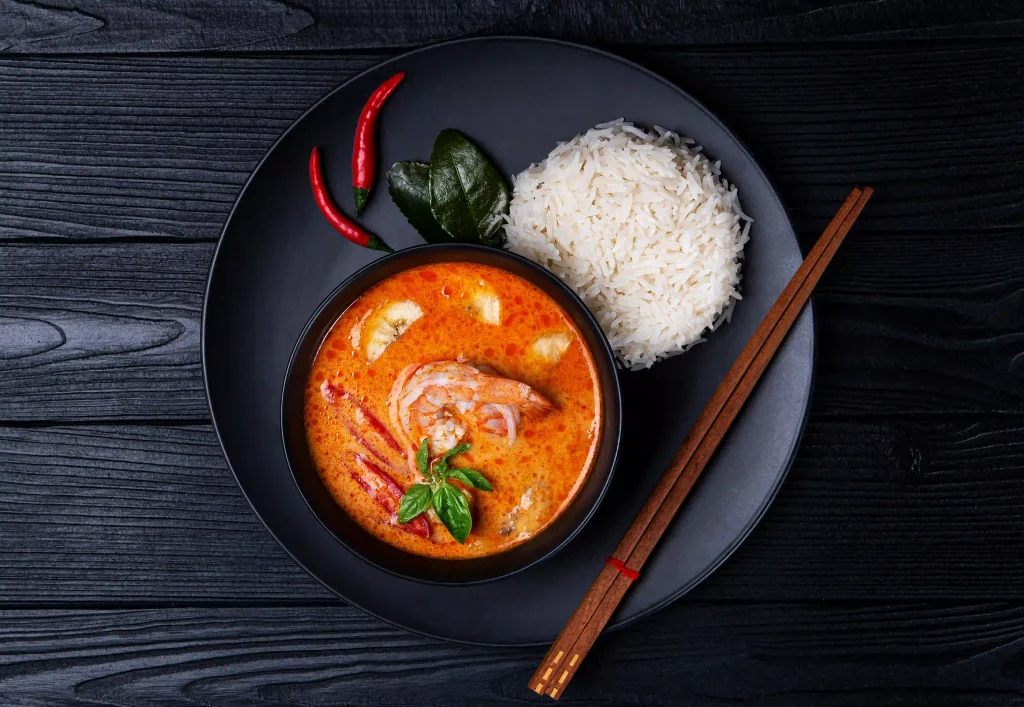
Thai red curry, known in Thailand as “Kaeng Phet,” is a traditional curry dish made from red curry paste, coconut milk, protein or vegetables, and various seasonings.
The word “kaeng” refers to curry or soup-like dishes in Thai cuisine, while “phet” means spicy. Together, the name translates roughly to “spicy curry.”
Despite its reputation for heat, Thai red curry is not always overwhelmingly spicy. The coconut milk used in the dish helps balance the chili peppers, creating a smooth and creamy sauce that tempers the spice while enhancing the overall flavor.
The result is a dish that is rich, aromatic, slightly sweet, mildly spicy, and deeply satisfying.
The Origins of Thai Red Curry
Thai curries have a long and fascinating history influenced by trade, migration, and cultural exchange throughout Southeast Asia.
While Indian curries influenced many Asian cuisines, Thai curries evolved into a distinct culinary tradition. Rather than relying heavily on dried spices as Indian curries often do, Thai curries emphasize fresh ingredients such as chilies, lemongrass, galangal, garlic, and kaffir lime leaves.
The introduction of chili peppers to Southeast Asia by Portuguese traders in the 16th century played a major role in shaping modern Thai cuisine. Over time, Thai cooks incorporated chilies into curry pastes, creating the vibrant red curry that is enjoyed today.
Today, Thai red curry remains one of the most commonly served dishes in Thailand and is featured prominently on restaurant menus across the globe.
What Makes Thai Red Curry Red?
The signature red color comes primarily from dried red chili peppers used in the curry paste.
Traditional Thai red curry paste contains several ingredients, but red chilies provide both the color and much of the heat associated with the dish.
The intensity of the color can vary depending on:
- The variety of chili peppers used
- The amount of curry paste added
- The ratio of coconut milk to curry paste
- Regional cooking styles
Some versions appear bright red, while others take on a more orange-red appearance once mixed with coconut milk.
Key Ingredients in Thai Red Curry
The flavor of Thai red curry comes from a carefully balanced combination of ingredients.
Red Curry Paste
The heart of the dish is red curry paste.
Traditional red curry paste often includes:
- Dried red chilies
- Garlic
- Shallots
- Galangal
- Lemongrass
- Kaffir lime zest
- Coriander root
- Shrimp paste
- White pepper
These ingredients are pounded together into a fragrant paste that forms the foundation of the curry.
Coconut Milk
Coconut milk gives Thai red curry its rich, creamy texture.
The natural sweetness of coconut milk balances the heat from the chilies and helps create the silky sauce that defines the dish.
Protein
Thai red curry can be prepared with various proteins, including:
- Chicken
- Beef
- Pork
- Shrimp
- Fish
- Duck
- Tofu
The choice of protein often depends on regional traditions and personal preference.
Vegetables
Many versions include vegetables such as:
- Bell peppers
- Bamboo shoots
- Eggplant
- Green beans
- Zucchini
- Mushrooms
Vegetables add texture and nutritional value while complementing the rich sauce.
Fish Sauce
Fish sauce contributes a salty, savory depth that is essential in many Thai dishes.
Even small amounts can significantly enhance the overall flavor.
Palm Sugar
Palm sugar adds a subtle sweetness that balances the salty and spicy elements.
Brown sugar is sometimes used as a substitute outside Thailand.
Kaffir Lime Leaves
These aromatic leaves provide a bright citrus note that enhances the complexity of the curry.
Thai Basil
Fresh Thai basil is often added near the end of cooking.
Its slightly peppery, anise-like flavor pairs beautifully with the curry sauce.
What Does Thai Red Curry Taste Like?
One reason Thai red curry is so popular is its remarkable balance of flavors.
A well-made red curry is not simply spicy.
Instead, it combines several taste elements:
Spicy
The red chilies create a warming heat that can range from mild to quite spicy, depending on the ingredients and preparation. This variation in heat is common when considering how spicy Thai food can be.
Creamy
Coconut milk provides richness and smoothness.
Sweet
Palm sugar and coconut milk contribute subtle sweetness.
Savory
Fish sauce and curry paste add depth and umami.
Aromatic
Fresh herbs and spices create an intensely fragrant dish.
The combination creates a flavor experience that is both complex and approachable.
How Thai Red Curry Differs from Other Thai Curries
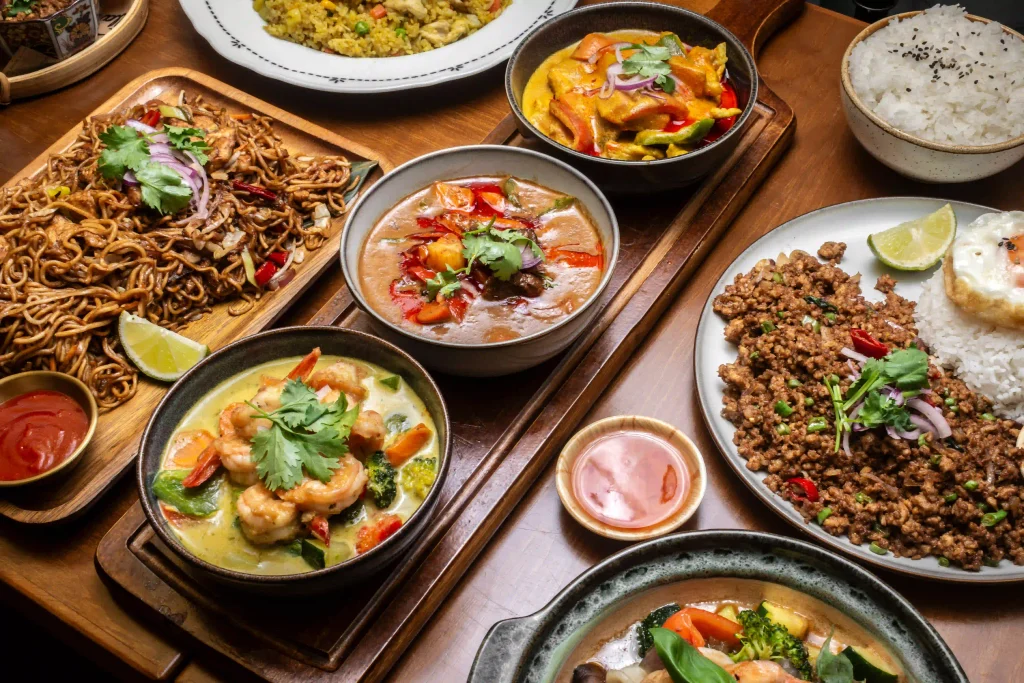
Thai cuisine features several types of curry, each with its own characteristics.
Red Curry vs. Green Curry
Green curry is made with fresh green chilies, giving it a vibrant green color.
It is often considered spicier and more herbaceous than red curry.
Red curry tends to have a richer and slightly sweeter flavor.
Red Curry vs. Yellow Curry
Yellow curry contains turmeric and curry powder, resulting in a milder flavor and yellow color.
It often has stronger influences from Indian cuisine.
Red Curry vs. Panang Curry
Panang curry is thicker, richer, and slightly sweeter.
It typically contains fewer vegetables and a more concentrated sauce.
Red Curry vs. Massaman Curry
Massaman curry is one of the mildest Thai curries.
It incorporates spices such as cinnamon, cardamom, and cloves and often includes potatoes and peanuts.
Popular Variations of Thai Red Curry
Thai red curry is highly adaptable.
Different ingredients create unique variations.
Thai Red Chicken Curry
One of the most common versions.
Tender chicken absorbs the flavors of the curry while remaining juicy and flavorful.
Thai Red Beef Curry
Beef provides a hearty texture and rich flavor.
Slow-cooked cuts work especially well.
Thai Red Shrimp Curry
Shrimp cooks quickly and pairs beautifully with the creamy sauce.
Vegetarian Thai Red Curry
Vegetables and tofu can replace meat while still delivering excellent flavor.
Seafood Red Curry
Many coastal regions serve red curry with mixed seafood such as shrimp, squid, and fish.
How Thai Red Curry Is Traditionally Served
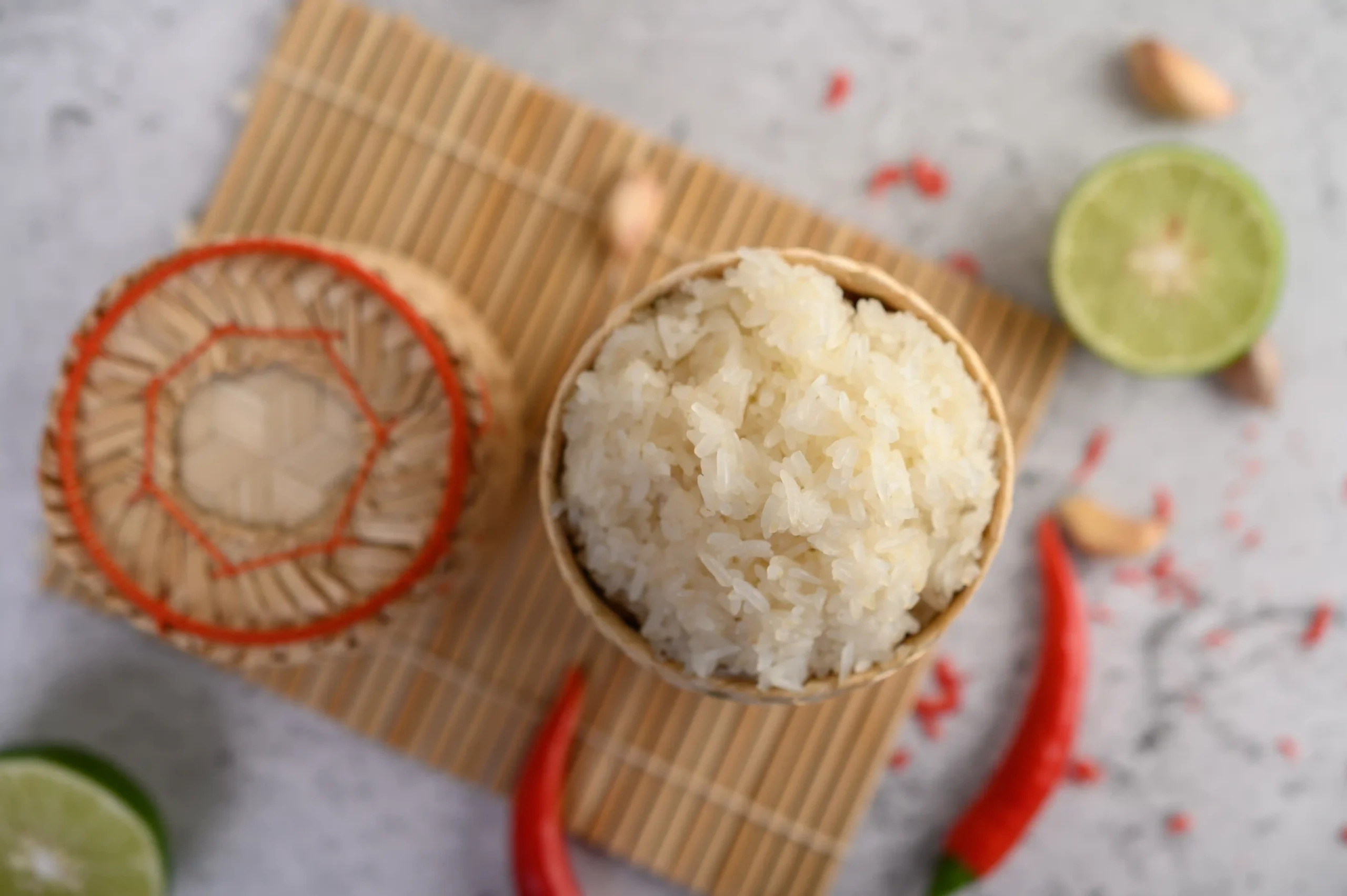
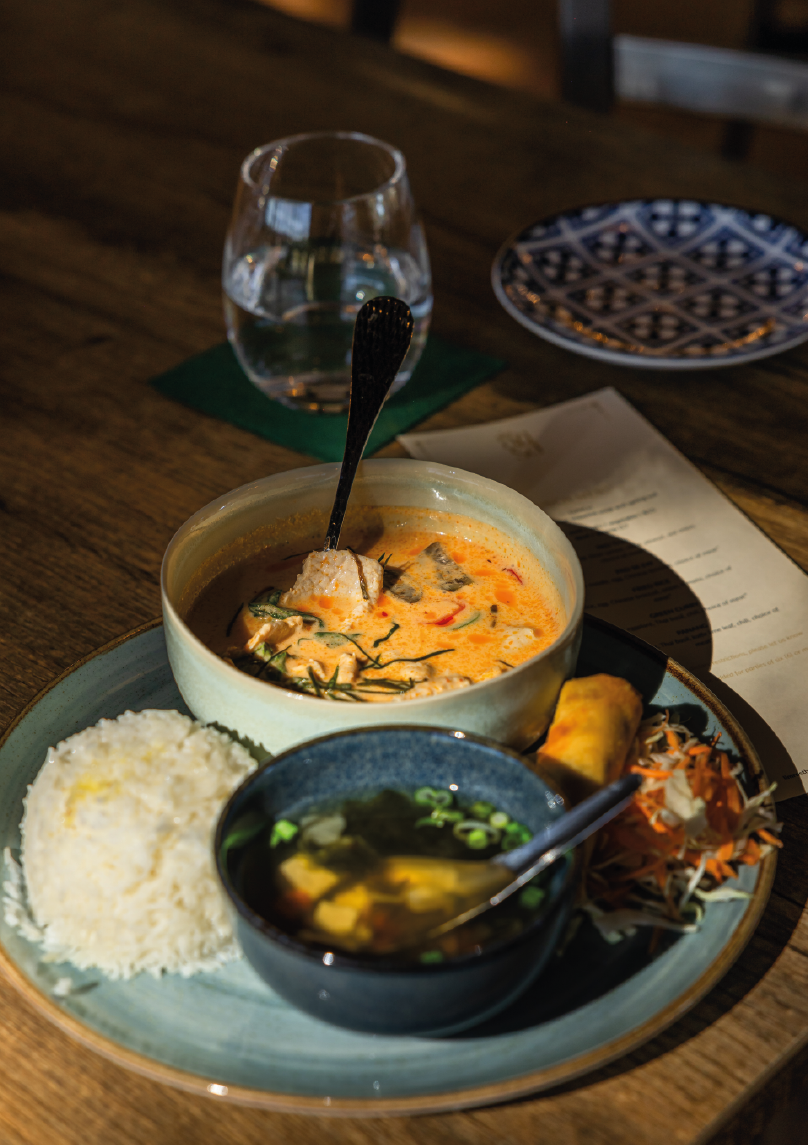
Thai red curry is most commonly served with steamed jasmine rice.
The rice helps absorb the flavorful sauce and balances the spice.
In Thailand, curry is often served as part of a larger meal alongside:
- Stir-fried vegetables
- Soups
- Salads
- Grilled meats
- Fresh herbs
This communal style of dining allows guests to enjoy a variety of flavors and textures.
Is Thai Red Curry Healthy?
The nutritional value of Thai red curry depends on the ingredients used and portion sizes, which is also important when considering whether Thai food is healthy as part of a balanced diet.
Potential benefits include:
Source of Protein
When made with chicken, seafood, tofu, or lean meats, red curry can provide a good source of protein.
Contains Vegetables
Many recipes include nutrient-rich vegetables that contribute vitamins, minerals, and fiber.
Herbs and Spices
Ingredients such as garlic, galangal, lemongrass, and chili peppers contain naturally occurring compounds that contribute flavor and nutritional value.
Healthy Fats
Coconut milk contains fats that contribute to satiety and texture.
However, because coconut milk is calorie-dense, portion sizes should be considered as part of an overall balanced diet.
Can You Make Thai Red Curry at Home?
Absolutely.
One reason for the dish’s popularity is that it can be prepared relatively quickly.
A basic homemade red curry typically involves:
- Heating curry paste in a pan.
- Adding coconut milk.
- Stirring until combined.
- Adding protein and vegetables.
- Simmering until cooked.
- Seasoning with fish sauce and sugar.
- Finishing with Thai basil and lime leaves.
Depending on the ingredients used, the entire dish can often be prepared in less than 30 minutes.
Common Mistakes When Making Thai Red Curry
Using Too Little Curry Paste
The paste provides most of the flavor.
Using too little can result in a bland curry.
Overcooking Vegetables
Vegetables should remain slightly crisp rather than becoming mushy.
Forgetting Balance
Thai cooking emphasizes balance.
Too much sweetness, saltiness, or spice can overwhelm the dish.
Skipping Fresh Herbs
Fresh basil and lime leaves add essential aroma and freshness.
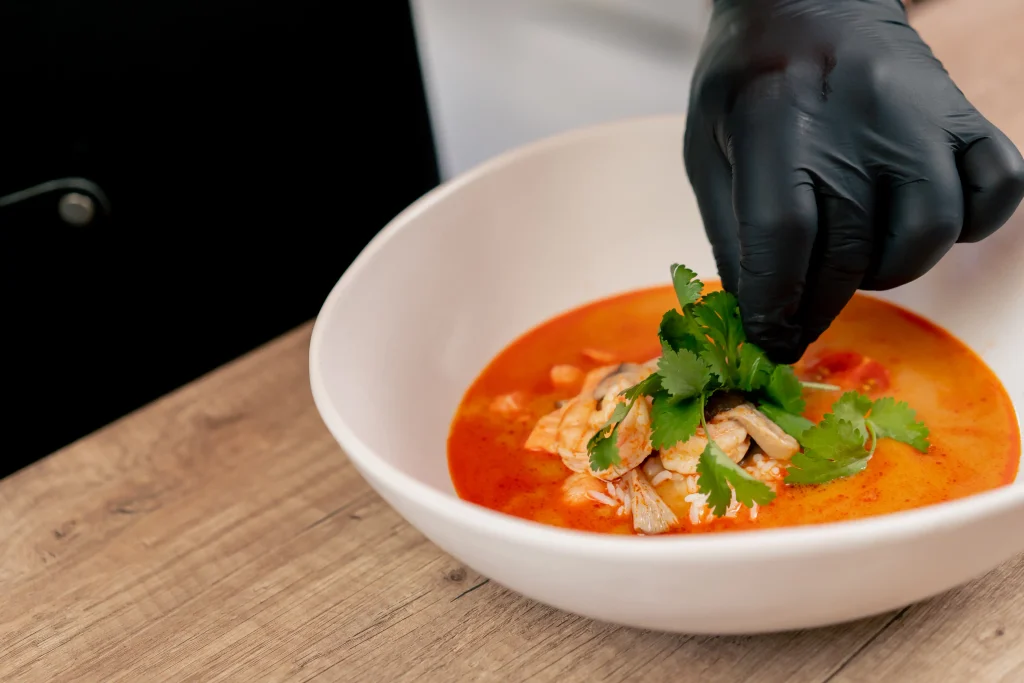
Why Thai Red Curry Is So Popular Worldwide
Thai red curry has become a global favorite because it offers something for almost everyone. It also stands alongside many other popular Thai dishes known for their distinctive flavors and ingredients.
It is:
- Rich without being heavy
- Spicy without being overwhelming
- Easy to customize
- Suitable for various proteins and vegetables
- Comforting yet flavorful
The combination of creamy coconut milk, fragrant herbs, and bold spices creates a dish that feels both familiar and exciting.
Whether enjoyed in a restaurant, prepared at home, or experienced during a visit to Thailand, Thai red curry remains one of the most iconic and satisfying dishes in Thai cuisine.
FAQs About Thai Red Curry
Is Thai red curry spicy for beginners?
Thai red curry typically has a moderate level of spice. The coconut milk helps balance the heat, making it more approachable than many people expect.
Can Thai red curry be made without coconut milk?
Yes, but coconut milk is a key ingredient that provides the creamy texture and signature flavor. Substitutes may change the taste and consistency of the dish.
What is the best protein to use in Thai red curry?
Chicken is one of the most popular options, but beef, shrimp, fish, tofu, and duck also work well depending on personal preference.
Can Thai red curry be made vegan?
Yes. Many vegan versions use tofu and vegetables while replacing fish sauce with plant-based alternatives.
What side dishes pair well with Thai red curry?
Steamed jasmine rice is the most common accompaniment, but it can also be served with brown rice, rice noodles, or fresh vegetable sides.
How long does Thai red curry last in the refrigerator?
When stored in an airtight container, Thai red curry can typically last three to four days in the refrigerator.
Can Thai red curry be frozen?
Yes. Thai red curry generally freezes well and can be stored for several months when properly sealed.
Why is my Thai red curry too watery?
This can happen if too much liquid is added or if the curry is not simmered long enough to allow the sauce to thicken.
Is Thai red curry gluten-free?
Many Thai red curry recipes are naturally gluten-free, but some store-bought curry pastes and sauces may contain ingredients with gluten. Always check labels if necessary.
What makes restaurant Thai red curry taste different from homemade versions?
Restaurants often use freshly made curry paste, high-quality coconut milk, and traditional cooking techniques that create deeper and more balanced flavors.
Conclusion
Thai red curry is much more than a spicy coconut-based dish. It reflects the essence of Thai cuisine through its combination of fresh ingredients, aromatic herbs, rich coconut milk, and perfectly balanced flavors.
Whether prepared with chicken, beef, seafood, tofu, or vegetables, Thai red curry offers a satisfying meal that combines heat, sweetness, creaminess, and savory depth in every bite. Its versatility and unique flavor profile have helped make it one of the most popular Thai dishes around the world.
For those who want to experience authentic Thai red curry, choosing a restaurant that stays true to traditional cooking methods can make all the difference. If you are in Orlando or planning a visit, Lim Ros Thai Restaurant is a great place to enjoy authentic Thai cuisine prepared with fresh ingredients and traditional flavors. From classic curries to other Thai favorites, it offers a dining experience that captures the rich culinary heritage of Thailand.
Whether you make it at home or enjoy it at a local Thai restaurant, Thai red curry remains one of the best ways to experience the bold and unforgettable flavors that make Thai cuisine so beloved worldwide.