Thai sticky rice is one of the most popular and traditional foods in Thailand. It is loved for its soft, chewy texture and slightly sweet flavor. Unlike regular steamed rice, sticky rice clumps together when cooked, making it easy to eat with your hands or pair with a variety of dishes.
Sticky rice is a staple food in many parts of Thailand, especially in the northern and northeastern regions. It is served with grilled meats, spicy salads, curries, and famous desserts like mango sticky rice. Its unique texture and versatility have made it popular in Thai restaurants around the world.
If you have ever wondered what Thai sticky rice is, how it is different from regular rice, or how it is used in Thai cuisine, this guide will answer all your questions.
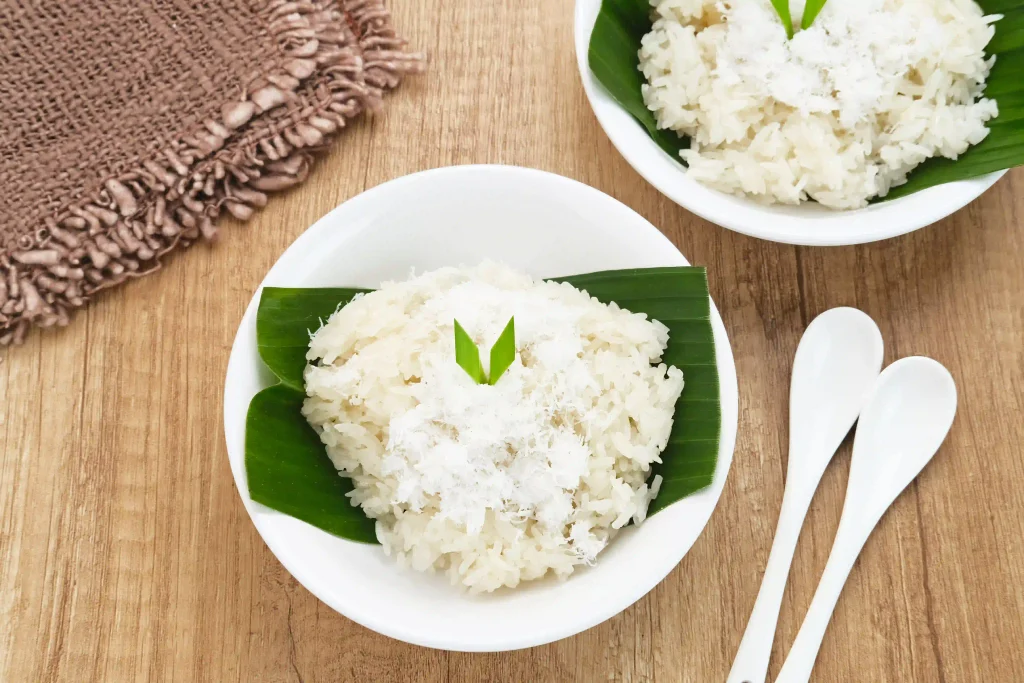
What Is Thai Sticky Rice?
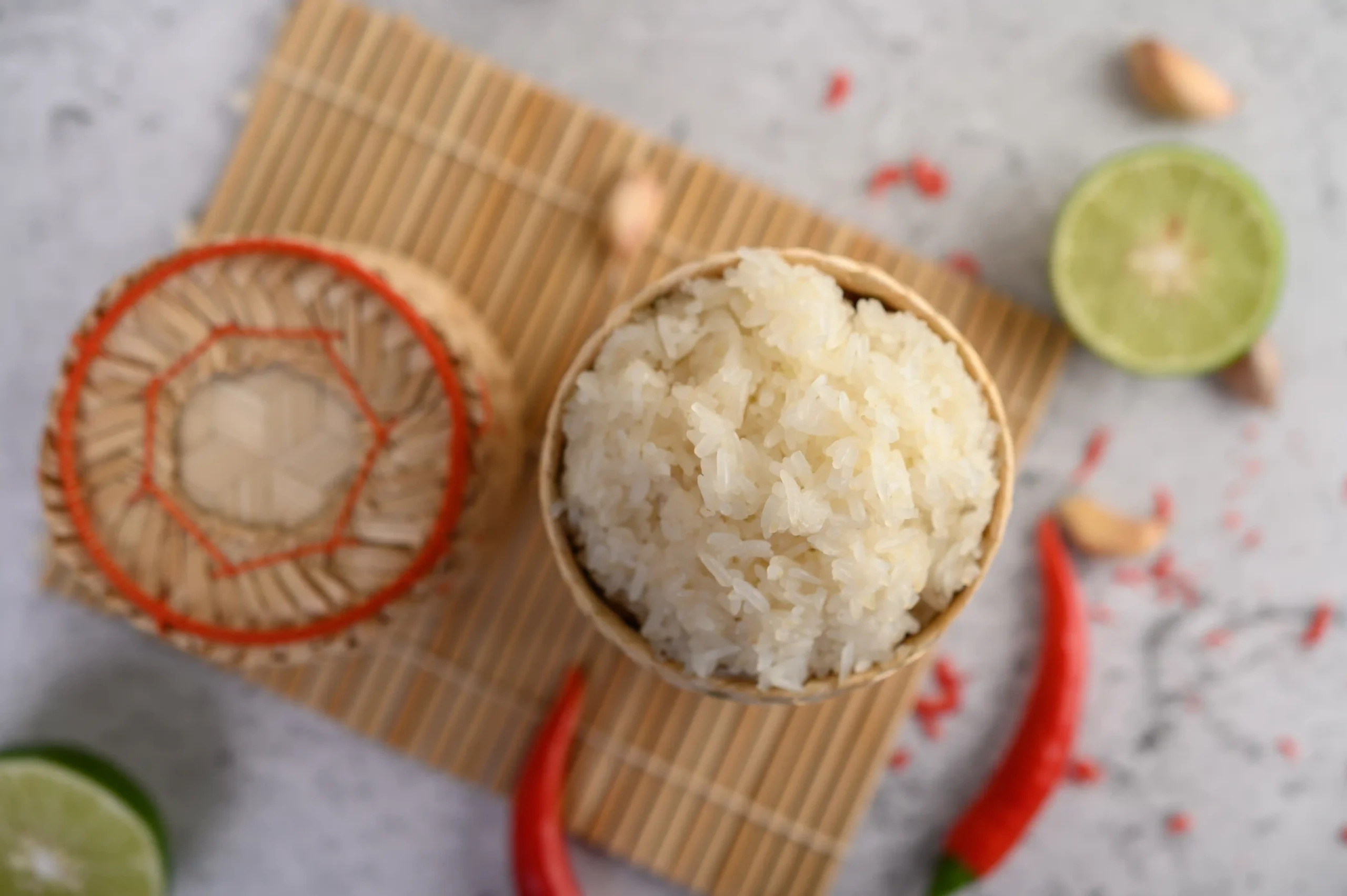
Thai sticky rice, also known as glutinous rice or sweet rice, is a type of rice that becomes soft, chewy, and sticky after cooking. Despite the name “glutinous rice,” it does not contain gluten. The word “glutinous” refers only to its sticky texture.
Sticky rice contains a high amount of a starch called amylopectin and very little amylose. This unique starch composition causes the grains to stick together after they are steamed.
Unlike jasmine rice, which is light and fluffy, sticky rice forms small clumps that can easily be picked up with your fingers or shaped into small balls.
Why Is It Called Sticky Rice?
The name comes from the way the rice behaves after cooking.
When sticky rice is steamed, the grains cling together instead of remaining separate. This creates its signature chewy texture that makes it different from other varieties of rice.
Its stickiness is completely natural and is not caused by added ingredients.
A Brief History of Thai Sticky Rice
Sticky rice has been enjoyed in Southeast Asia for thousands of years. It has long been an important part of the diet in Thailand, Laos, Cambodia, and nearby countries.
In Thailand, sticky rice is especially popular in the northern and northeastern regions, where it is often eaten daily instead of jasmine rice. Families have traditionally prepared sticky rice by soaking it overnight and steaming it in woven bamboo baskets.
Over time, sticky rice became an essential part of Thai culture, appearing in everyday meals, religious ceremonies, festivals, and family celebrations.
Today, it remains one of the country’s most recognizable traditional foods.
Where Is Thai Sticky Rice Most Popular?
Although sticky rice is available throughout Thailand, it is most commonly eaten in:
- Northern Thailand
- Northeastern Thailand (Isaan)
In these regions, sticky rice is often served with grilled meats, spicy dipping sauces, and fresh vegetables.
It has also become a favorite in Thai restaurants across the world because of its unique texture and ability to complement many dishes.
What Makes Thai Sticky Rice Different from Regular Rice?
Many people confuse sticky rice with jasmine rice or white rice, but they are very different.
Texture
Sticky rice has a soft, chewy, and slightly dense texture.
Regular white rice is light, fluffy, and the grains stay separate after cooking.
Cooking Method
Sticky rice is usually soaked before cooking and then steamed.
Most white rice is boiled or cooked in a rice cooker.
Taste
Sticky rice has a mild flavor with a slight natural sweetness.
Regular rice has a more neutral taste.
How It Is Eaten
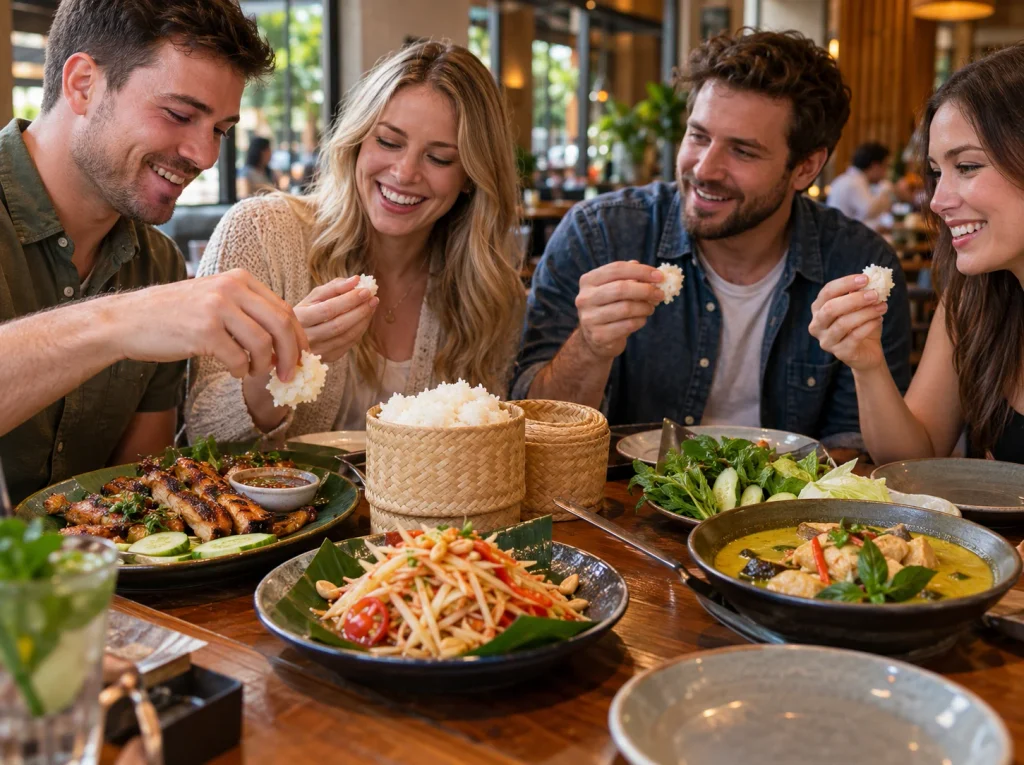
Sticky rice is often shaped into small portions and eaten with your hands in traditional Thai meals.
Regular rice is usually eaten with a spoon or fork.
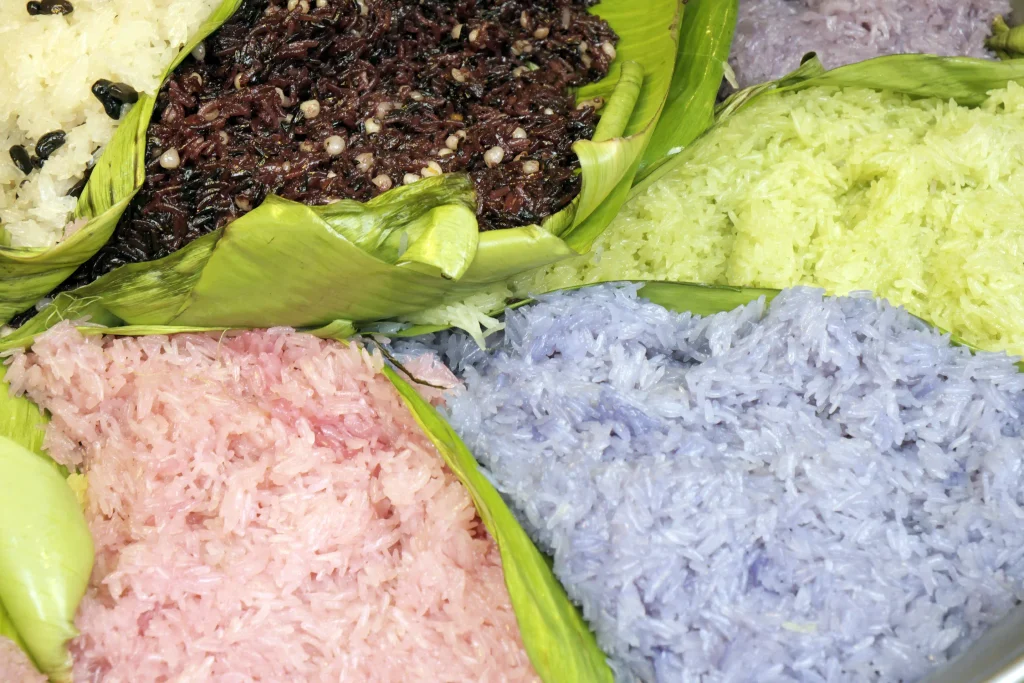
Types of Thai Sticky Rice
There are several varieties of sticky rice used in Thai cooking.
White Sticky Rice
This is the most common variety.
It is used in both savory dishes and desserts and has a mild flavor that pairs well with many ingredients.
Black Sticky Rice
Black sticky rice has a dark purple or black color before cooking.
It has a slightly nutty flavor and is commonly used in desserts, puddings, and sweet soups.
Mixed Sticky Rice
Some recipes combine white and black sticky rice to create a colorful dish with different textures and flavors.
How Is Thai Sticky Rice Used?
Sticky rice is one of the most versatile ingredients in Thai cuisine.
It can be served as part of breakfast, lunch, dinner, or dessert.
Some common ways it is enjoyed include:
- With grilled chicken
- Alongside grilled pork
- Served with spicy dipping sauces
- Paired with papaya salad
- Enjoyed with Thai curries
- Used in bamboo-cooked rice dishes
- Served with fresh tropical fruits
- Made into sweet desserts
Its chewy texture allows it to absorb sauces and flavors very well.
Why Do People Love Thai Sticky Rice?
Thai sticky rice is popular for several reasons.
Unique Texture
Its soft and chewy texture is unlike any other type of rice.
Many people enjoy the satisfying bite it provides.
Versatile Ingredient
Sticky rice can be paired with savory meals, sweet desserts, seafood, meat, vegetables, and fruits.
Filling and Satisfying
Because of its dense texture, sticky rice is often very filling and keeps people satisfied for longer.
Traditional Thai Experience
For many visitors to Thailand, eating sticky rice is part of experiencing authentic Thai culture.
It is often served at local markets, family gatherings, and traditional restaurants.
Popular Thai Dishes That Use Sticky Rice
Sticky rice is used in many well-known Thai dishes.
Some of the most popular include:
Mango Sticky Rice
Perhaps the most famous Thai dessert, this dish combines sweet sticky rice with ripe mango and creamy coconut milk.
It is enjoyed throughout Thailand and has become popular around the world.
Sticky Rice with Grilled Chicken
Grilled chicken served with sticky rice is a favorite street food meal.
The sticky rice helps balance the smoky, savory flavor of the chicken.
Sticky Rice with Papaya Salad
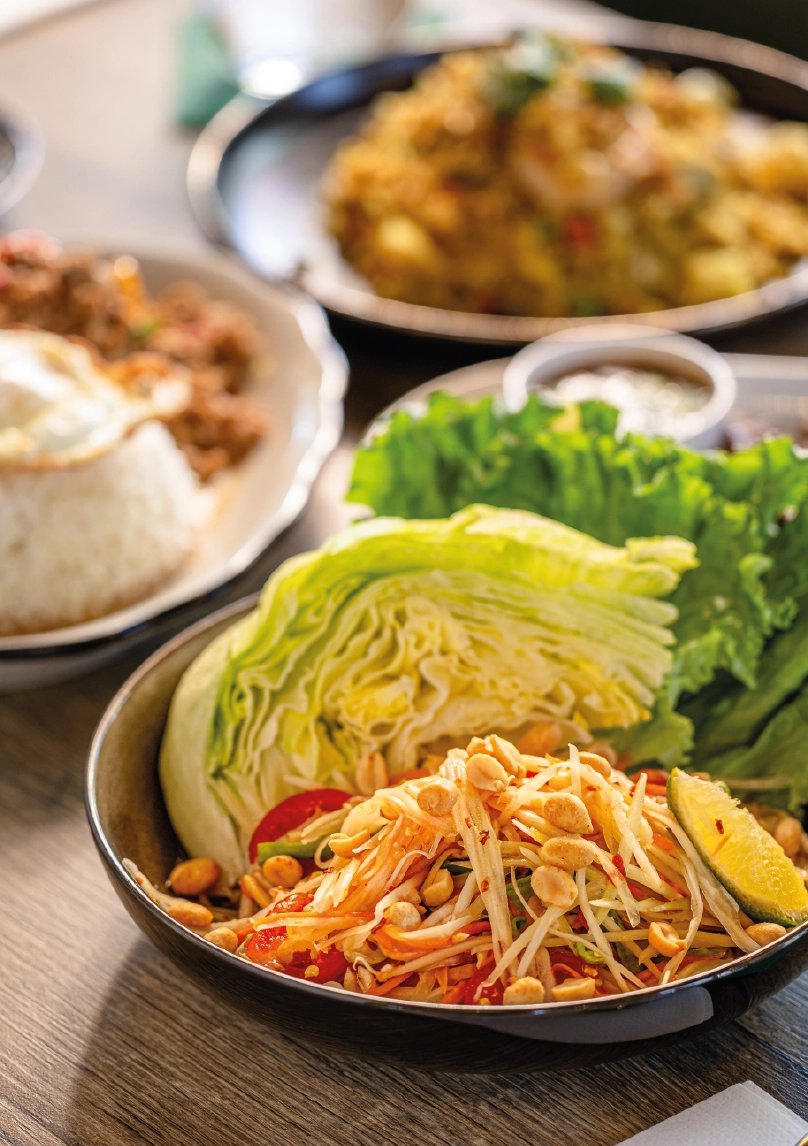
In northeastern Thailand, sticky rice is commonly served with spicy green papaya salad.
The mild flavor of the rice helps reduce the heat of the salad.
Sticky Rice with Grilled Pork
Marinated grilled pork and sticky rice make a simple but satisfying meal that is popular at food markets.
Sticky Rice Desserts
Sticky rice is also used in desserts with coconut milk, bananas, black beans, taro, or other tropical ingredients.
Is Thai Sticky Rice Gluten Free?
Yes.
Despite its name, Thai sticky rice does not contain gluten.
The word “glutinous” refers only to the sticky texture of the cooked rice, not to gluten.
However, if you have celiac disease or gluten sensitivity, always check that the rice has not been prepared with sauces or ingredients that contain gluten.
Why Is Sticky Rice Important in Thai Culture?
Sticky rice is much more than just a side dish.
It represents tradition, family, and community. Many Thai families prepare sticky rice every day, while others enjoy it during festivals, celebrations, and religious ceremonies.
In rural areas, sticky rice is often shared among family members during meals, reflecting the importance of togetherness in Thai culture.
It is also commonly offered to Buddhist monks during morning alms and served during important cultural events.
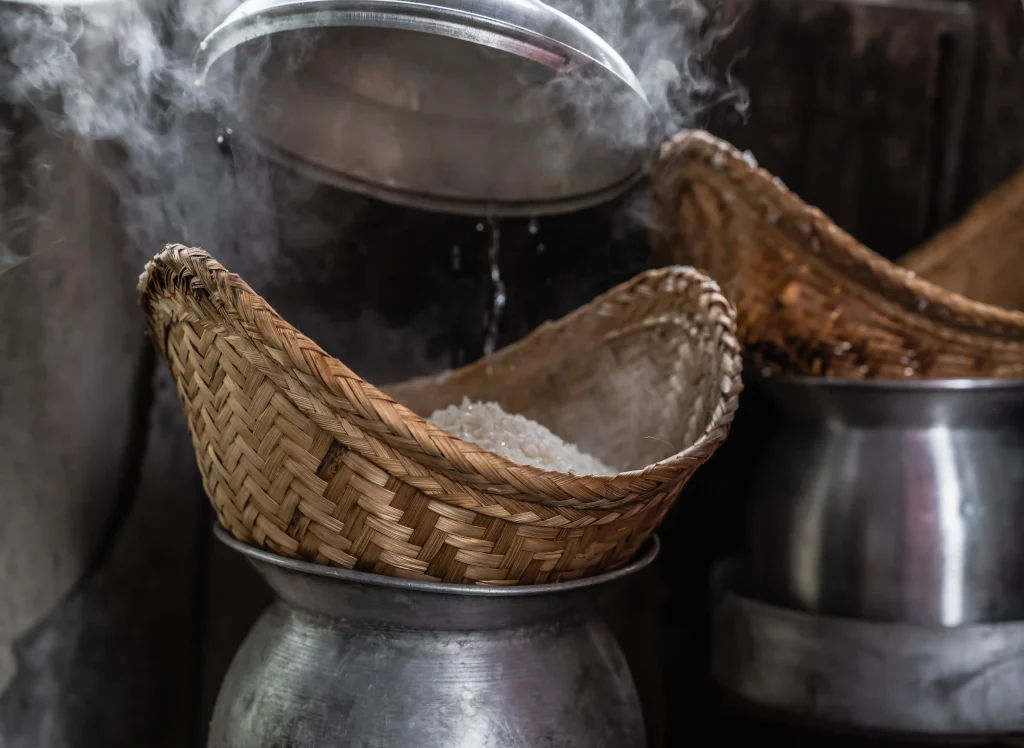
How Is Thai Sticky Rice Made?
Preparing Thai sticky rice is different from cooking regular rice. Instead of boiling it in water, sticky rice is traditionally soaked and then steamed. This method gives it its signature soft and chewy texture.
Step 1: Soak the Rice
The rice is first rinsed several times to remove excess starch and any impurities.
It is then soaked in water for at least six hours or overnight. Soaking allows the grains to absorb water evenly, which helps them cook properly during steaming.
Step 2: Drain the Rice
After soaking, the water is drained, and the rice is allowed to sit for a few minutes before steaming.
Step 3: Steam the Rice
The rice is placed in a bamboo steamer basket or another steaming basket and cooked over boiling water.
Steaming usually takes about 20 to 30 minutes. During cooking, the rice may be turned once to ensure even steaming.
Once fully cooked, the grains become soft, shiny, and sticky.
Traditional Thai Cooking Methods
In Thailand, sticky rice is often steamed using a woven bamboo basket placed over a pot of boiling water.
This traditional method allows steam to cook the rice gently without making it soggy.
Many Thai households continue to use this technique because it produces the best texture.
Today, home cooks may also use:
- Electric steamers
- Stainless steel steamers
- Rice cookers with a steaming function
- Cheesecloth-lined steam baskets
Although modern equipment is convenient, steaming remains the preferred cooking method.
Can You Cook Sticky Rice in a Rice Cooker?
Yes, but the results may vary depending on the rice cooker.
Some rice cookers include a setting designed for sticky rice or steaming. If yours does not, steaming after soaking usually gives better results than cooking it like regular white rice.
Following the package instructions can also help achieve the desired texture.
What Does Thai Sticky Rice Taste Like?
Thai sticky rice has a mild flavor with a subtle natural sweetness.
It does not have a strong taste on its own, which makes it an excellent match for both savory and sweet dishes.
Its chewy texture is what makes it stand out from other types of rice.
Because it easily absorbs sauces, coconut milk, and seasonings, sticky rice complements a wide range of Thai recipes.
Nutrition Facts of Thai Sticky Rice
The exact nutrition depends on the serving size and preparation method, but plain sticky rice mainly provides carbohydrates for energy.
It also contains small amounts of:
- Protein
- Fiber
- Iron
- Magnesium
- Phosphorus
- Potassium
- B vitamins
Sticky rice is naturally low in fat unless ingredients like coconut milk or butter are added.
Health Benefits of Thai Sticky Rice
When enjoyed in moderation as part of a balanced diet, Thai sticky rice can provide several benefits.
Good Source of Energy
Sticky rice is rich in carbohydrates, which are the body’s main source of energy.
This makes it a satisfying choice for active individuals and those needing sustained energy throughout the day.
Naturally Gluten Free
Thai sticky rice does not contain gluten, making it suitable for many people with gluten intolerance or celiac disease when prepared without gluten-containing ingredients.
Low in Fat
Plain sticky rice is naturally low in fat.
The nutritional value changes when it is served with rich sauces or coconut milk.
Easy to Digest
Its soft texture makes sticky rice easy for many people to digest, especially when served plain.
Versatile in Balanced Meals
Sticky rice pairs well with lean proteins, vegetables, seafood, and fresh herbs, making it easy to create balanced meals.
Is Thai Sticky Rice Healthy?
Thai sticky rice can be part of a healthy diet when eaten in appropriate portions.
Like other types of rice, it contains carbohydrates, so portion control is important, especially for people managing blood sugar levels.
Pairing sticky rice with vegetables, lean protein, and healthy fats creates a more balanced meal.
Popular Thai Dishes Served with Sticky Rice
Sticky rice is enjoyed with many traditional Thai dishes.
Grilled Chicken
Grilled chicken and sticky rice are one of Thailand’s most popular street food combinations.
The rice balances the smoky and savory flavors of the chicken.
Papaya Salad
Spicy green papaya salad is often served with sticky rice, especially in northeastern Thailand.
The rice helps balance the salad’s spicy, sour, and tangy flavors.
Grilled Pork
Marinated grilled pork served with sticky rice is a favorite meal for both locals and visitors.
Thai Sausage
Traditional Thai sausage pairs well with sticky rice because the mild rice complements the rich and flavorful meat.
Thai Dipping Sauces
Sticky rice is commonly eaten with flavorful dipping sauces made with herbs, chilies, garlic, fish sauce, and lime juice.
Its chewy texture makes it easy to dip into sauces.
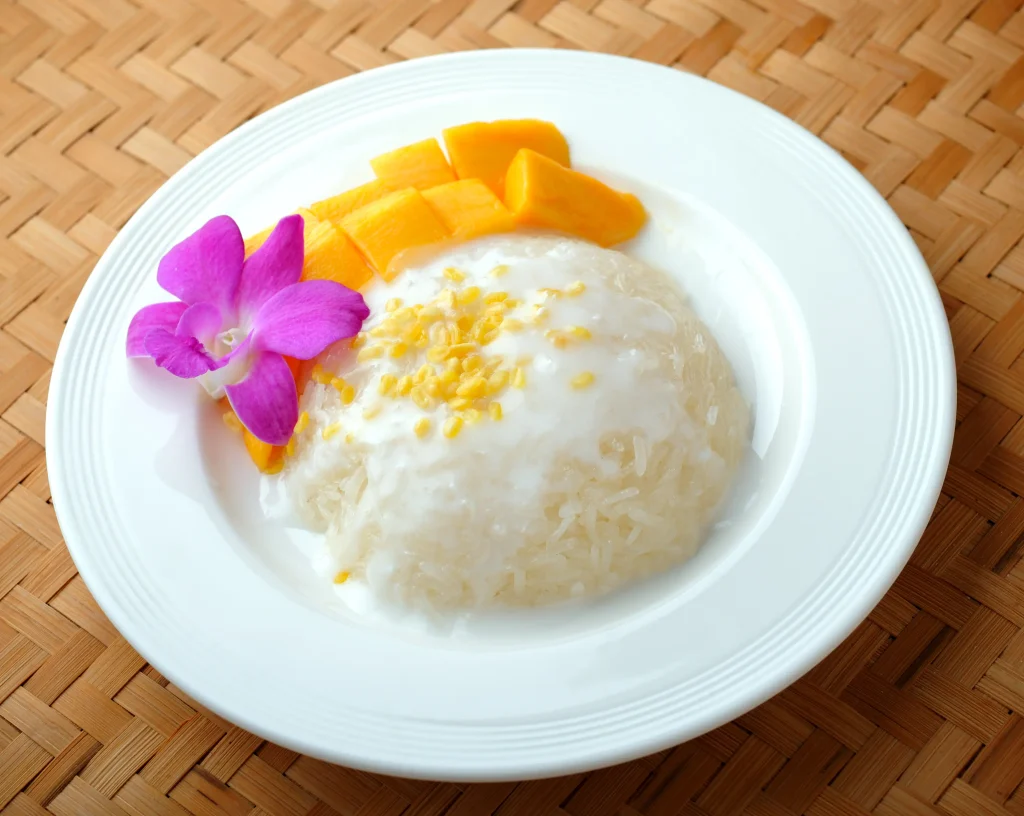
Sweet Dishes Made with Thai Sticky Rice
Sticky rice is also a key ingredient in many Thai desserts.
Popular examples include:
- Mango sticky rice
- Sticky rice with coconut milk
- Banana sticky rice
- Black sticky rice pudding
- Sticky rice with taro
- Coconut sticky rice with tropical fruits
These desserts are known for their rich coconut flavor and satisfying texture.
Tips for Cooking Perfect Thai Sticky Rice
Preparing sticky rice is simple once you understand the process.
Here are a few helpful tips.
Soak the Rice Long Enough
Allow enough soaking time before steaming.
This helps the grains cook evenly.
Steam Instead of Boil
Traditional steaming produces the best chewy texture.
Boiling may result in rice that is too soft or mushy.
Turn the Rice During Steaming
Turning the rice once while steaming helps ensure even cooking.
Serve Fresh
Sticky rice is best enjoyed shortly after cooking while it is still warm and soft.
Mistakes to Avoid While Cooking Sticky Thai Rice
If you are making sticky rice at home, avoid these common mistakes.
Skipping the Soaking Step
Without soaking, the rice may cook unevenly and remain hard in the center.
Using Too Much Water
Sticky rice should be steamed rather than cooked in a large amount of water.
Overcooking
Cooking the rice for too long can make it overly soft.
Storing It Improperly
Leaving cooked sticky rice uncovered can cause it to dry out quickly.
Store leftovers in an airtight container and reheat gently before serving.
How to Serve Thai Sticky Rice
Thai sticky rice is incredibly versatile and can be served in many ways.
It is commonly enjoyed:
- Alongside grilled meats
- With seafood dishes
- With spicy salads
- As part of family-style meals
- With fresh fruit
- As a dessert with coconut milk
- With vegetable dishes
- At festivals and celebrations
Its mild flavor makes it easy to pair with both simple and flavorful foods.
How to Store Thai Sticky Rice
If you have leftover sticky rice, proper storage will help keep it fresh and maintain its texture.
Allow the rice to cool slightly before storing it. Place it in an airtight container and refrigerate it within two hours of cooking.
Cooked sticky rice can usually be stored in the refrigerator for up to three to four days.
For longer storage, you can freeze it in freezer-safe containers or bags for up to two months.
How to Reheat Thai Sticky Rice
Sticky rice is best enjoyed fresh, but it can be reheated without losing too much of its texture.
Steam It Again
The best way to reheat sticky rice is by steaming it for a few minutes. This helps restore its soft and chewy texture.
Use a Microwave
Place the rice in a microwave-safe bowl and sprinkle a small amount of water over it. Cover the bowl with a microwave-safe lid or damp paper towel and heat in short intervals until warm.
Avoid overheating, as this can make the rice dry or hard.
Can You Freeze Thai Sticky Rice?
Yes.
Sticky rice freezes well when stored properly. Divide it into individual portions before freezing so you can thaw only what you need.
When ready to eat, thaw it in the refrigerator overnight or reheat it directly using steam or a microwave.
Is Thai Sticky Rice Vegan?
Plain Thai sticky rice is naturally vegan because it is made only from rice.
However, some dishes made with sticky rice may include ingredients such as fish sauce, meat, eggs, or dairy products.
If you follow a vegan diet, always check the ingredients used in the recipe.
Is Thai Sticky Rice Gluten Free?
Yes.
Thai sticky rice is naturally gluten free. The term “glutinous rice” refers to its sticky texture, not to gluten.
If you have celiac disease or gluten sensitivity, make sure the rice is prepared separately from foods containing gluten to avoid cross contamination.
Can Sticky Rice Be Eaten Every Day?
In many parts of Thailand, especially in the north and northeast, sticky rice is eaten every day as part of regular meals.
Like any carbohydrate-rich food, it is best enjoyed as part of a balanced diet that also includes vegetables, fruits, lean proteins, and healthy fats.
Eating a variety of foods helps provide the nutrients your body needs.
Is Sticky Rice Better Than Jasmine Rice?
Neither sticky rice nor jasmine rice is better than the other. Each has its own qualities and is used for different types of dishes.
Sticky rice is known for its chewy texture and is commonly served with grilled meats, spicy salads, and desserts.
Jasmine rice is light, fluffy, and fragrant, making it a popular choice for curries, stir-fries, and soups.
The best option depends on the meal you are preparing and your personal preference.
Fun Facts About Thai Sticky Rice
Thai sticky rice has a long history and is an important part of Thai food culture. Here are some interesting facts:
- Sticky rice has been enjoyed in Southeast Asia for thousands of years.
- It is a staple food in northern and northeastern Thailand.
- Traditional sticky rice is steamed instead of boiled.
- The rice gets its sticky texture from its natural starch content.
- Mango sticky rice is one of Thailand’s most famous desserts.
- Sticky rice is often served in woven bamboo baskets to help keep it warm.
- It is commonly eaten with the hands during traditional meals.
- Sticky rice is enjoyed at festivals, family gatherings, and religious ceremonies across Thailand.
Tips for Enjoying Thai Sticky Rice
Whether you are trying sticky rice for the first time or making it at home, these tips can help you enjoy it even more.
- Serve it warm for the best texture.
- Pair it with grilled meats, seafood, or fresh vegetables.
- Try it with spicy Thai dipping sauces for extra flavor.
- Enjoy mango sticky rice if you want to experience a classic Thai dessert.
- Use fresh, good-quality glutinous rice for the best results.
- Steam the rice instead of boiling it to achieve its traditional chewy texture.
FAQs About Thai Sticky Rice
Why is Thai sticky rice so sticky?
Thai sticky rice contains a high amount of a starch called amylopectin. When steamed, this starch causes the grains to stick together, creating the soft and chewy texture that makes sticky rice unique.
Does sticky rice taste sweet?
Plain sticky rice has a mild flavor with a slight natural sweetness. It is not sugary on its own, which allows it to pair well with both savory dishes and sweet desserts.
Is sticky rice healthier than white rice?
Both sticky rice and white rice can be part of a healthy diet. The healthier choice depends on your overall eating habits, portion sizes, and the foods served with the rice.
Can beginners make Thai sticky rice at home?
Yes. While soaking and steaming require a little planning, sticky rice is easy to prepare once you understand the basic steps.
What dishes are best served with sticky rice?
Sticky rice pairs well with grilled chicken, grilled pork, Thai sausage, papaya salad, spicy dipping sauces, curries, seafood, and desserts like mango sticky rice.
Can children eat Thai sticky rice?
Yes. Plain sticky rice is suitable for children as part of a balanced diet, provided it is prepared safely and served in age-appropriate portions.
Conclusion
Thai sticky rice is much more than a side dish. It is a traditional part of Thai culture that has been enjoyed for generations. Known for its soft, chewy texture and mild flavor, it is made from glutinous rice that is soaked and steamed rather than boiled. This unique preparation gives sticky rice its signature texture and makes it a favorite in both savory meals and sweet desserts.
From grilled chicken and papaya salad to the world-famous mango sticky rice, this versatile ingredient complements a wide variety of Thai dishes. It is naturally gluten free, easy to pair with different flavors, and can be enjoyed as part of a balanced diet.
Whether you are exploring Thai cuisine for the first time or looking to recreate authentic dishes at home, Thai sticky rice is a must-try ingredient. With the right preparation and serving methods, you can enjoy one of Thailand’s most beloved foods and experience an authentic taste of Thai tradition.