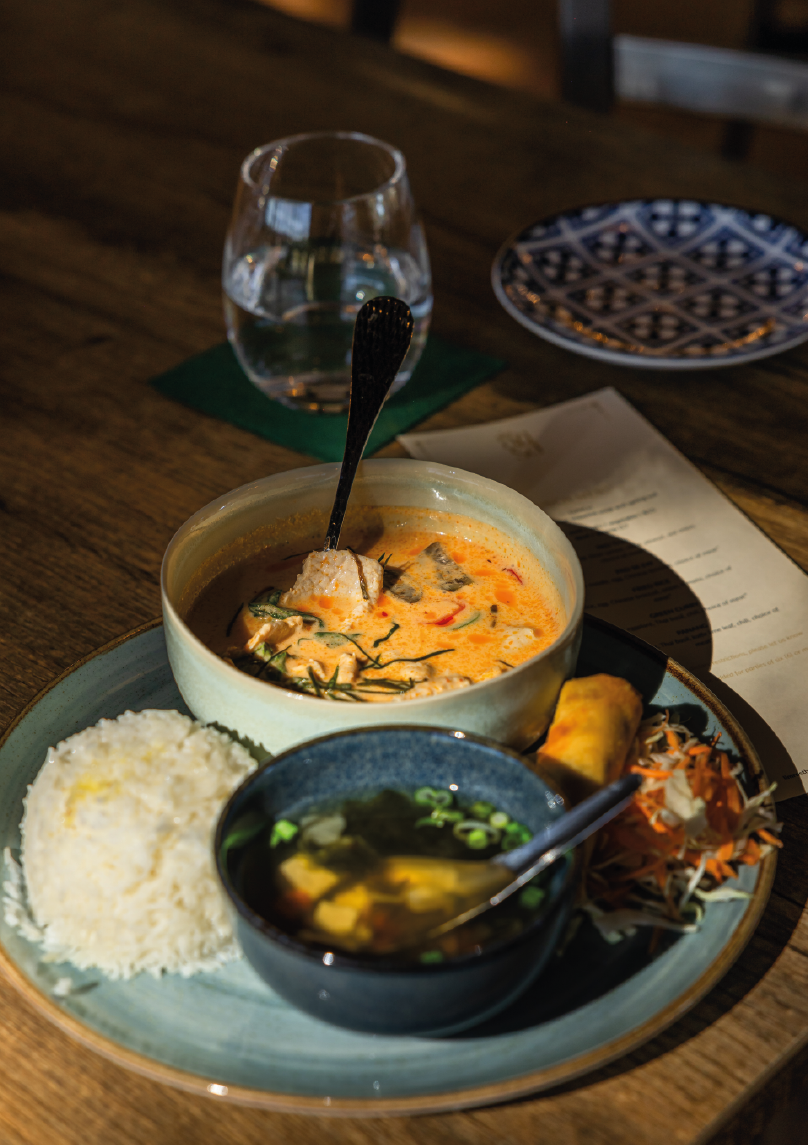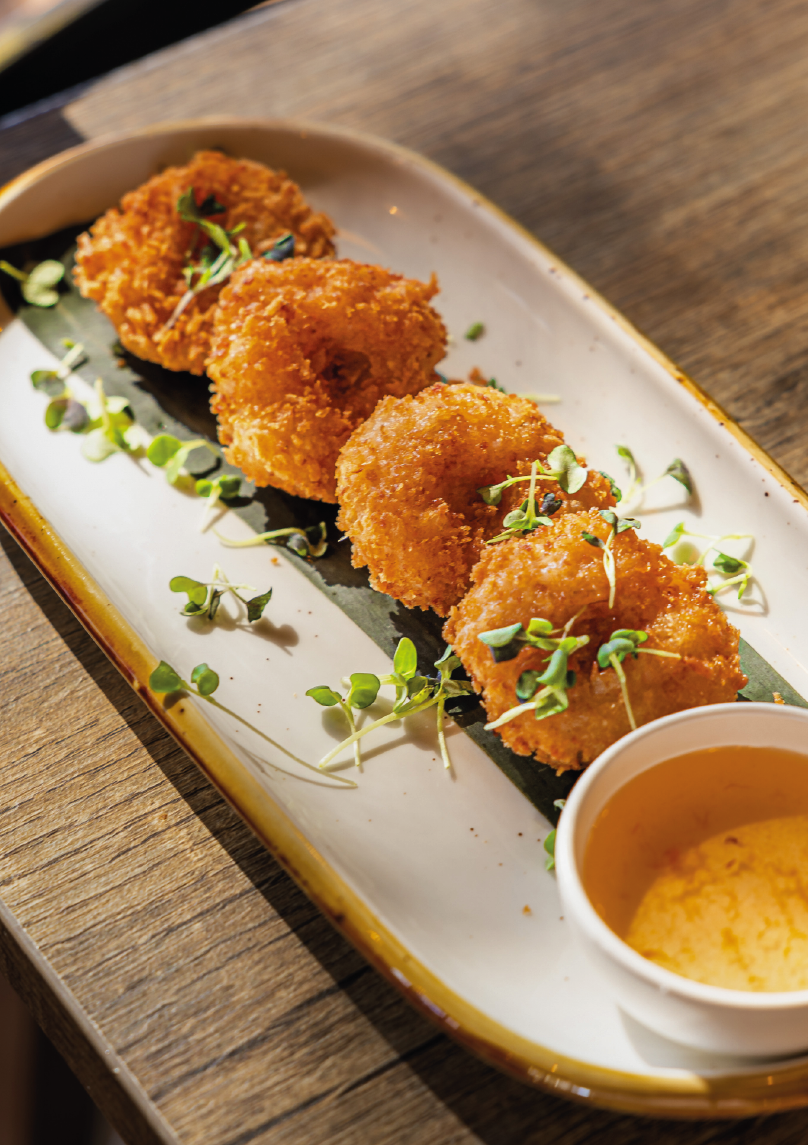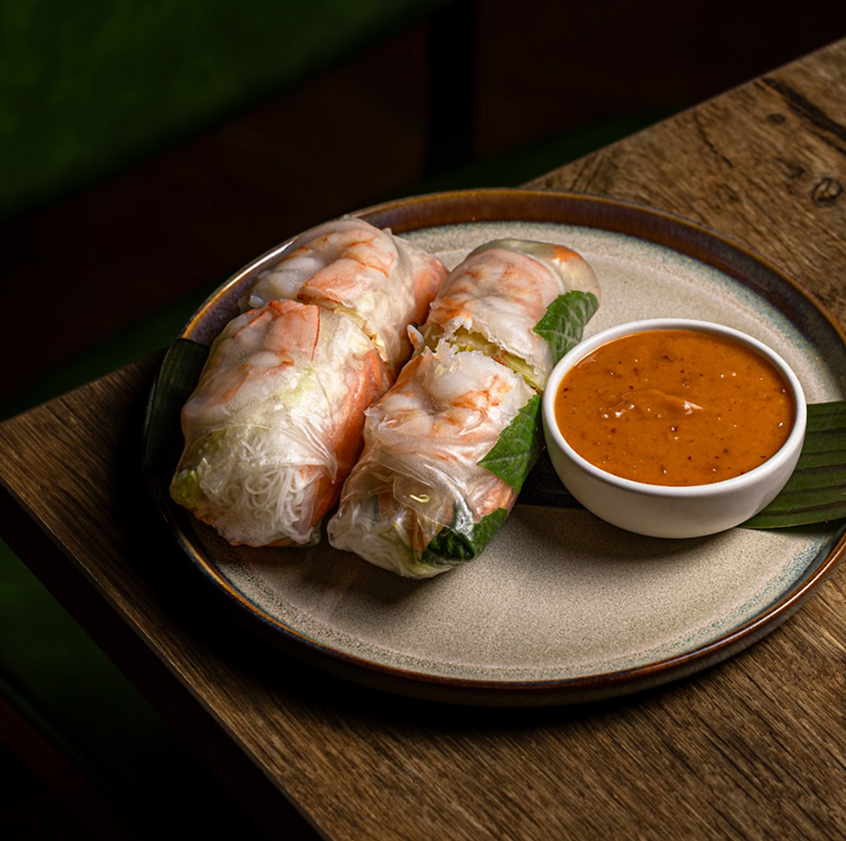
Pad Thai is one of the most well known dishes in Thai cuisine. It is loved around the world for its mix of sweet, salty, tangy, and slightly spicy flavors. Even people who have never tried Thai food before often recognize Pad Thai because it is so common on restaurant menus.
While Pad Thai is usually thought of as a noodle dish with shrimp, chicken, tofu, eggs, and peanuts, the vegetables in Pad Thai play a major role in the overall flavor and texture. Many people enjoy the crunchy, fresh, and colorful vegetables that balance the soft noodles and rich sauce. If you have ever wondered what veggies traditionally go in Pad Thai or which vegetables you can add when cooking it at home, this guide will walk you through everything you need to know.
This blog explains traditional Pad Thai vegetables, tasty optional additions, regional variations, and how to prepare each vegetable so your dish turns out delicious every time.
Traditional Vegetables Used in Pad Thai
Although Pad Thai varies slightly from place to place, there are a few vegetables that appear in almost every version. These classic ingredients give the dish its signature taste and texture.
1. Bean Sprouts
Bean sprouts are one of the most recognizable vegetables in Pad Thai. They add crunch, freshness, and a light flavor that balances the richness of the noodles and sauce.
Most Thai cooks add bean sprouts at the very end of the cooking process so they stay crisp. Some people even serve extra raw bean sprouts on the side. You can mix them in while eating to add more texture.
2. Garlic Chives
Garlic chives, also called Chinese chives or Asian chives, are long green leaves with a mild garlic flavor. They taste different from regular chives because they have a stronger herb and garlic scent.
They are usually cut into two inch pieces and tossed in at the end of cooking. Garlic chives give Pad Thai its traditional aroma and are a key ingredient in authentic recipes.
If you cannot find garlic chives, you can use green onions, but the flavor will be slightly different.
3. Shallots
Shallots are small, mild onions with a slightly sweet taste. They are commonly used in Thai cooking and are often stir fried at the beginning of the Pad Thai cooking process.
Sliced shallots add a soft sweetness that blends well with the tamarind sauce, fish sauce, and sugar. They also add a bit of depth and aroma to the dish.
4. Tofu (as a plant based protein)
Though tofu is technically not a vegetable, it is often treated like one in Pad Thai. Small cubes of firm tofu are fried until golden and tossed in with the noodles. They add protein, texture, and a neutral flavor that absorbs the sauce well.
Vegetarian versions of Pad Thai often include more tofu in place of meat or seafood.
Vegetables Commonly Added in Thai Restaurants
In Thailand, Pad Thai recipes tend to stay close to the traditional formula. However, in Western countries, restaurants often add extra vegetables to make the dish more colorful or nutritious. These vegetables are not always traditional, but they taste great and complement the dish well.
1. Carrots
Carrots are often shredded or julienned and added to Pad Thai. They add sweetness, crunch, and bright color. Carrots also hold their texture well during stir frying, making them a popular addition.
2. Red Bell Peppers
Red bell peppers add crunch, sweetness, and a pop of color. They also cook quickly and blend well with the Pad Thai sauce. Some restaurants use a mix of red, yellow, and orange peppers.
3. Cabbage
Thin sliced cabbage is sometimes added for extra volume and texture. It softens slightly while cooking but still offers a pleasant crunch.
Cabbage is especially common in vegetarian or vegan Pad Thai dishes.
4. Broccoli
Broccoli is not a traditional ingredient, but it appears in many Western Pad Thai dishes. It adds fiber and vitamins and absorbs the sauce nicely. Broccoli florets should be cut into small pieces so they cook evenly in a hot pan.
5. Snow Peas or Sugar Snap Peas
These peas bring a fresh crunch and natural sweetness. They also cook very quickly, so they are easy to toss in near the end of cooking.
6. Green Onions
Green onions are sometimes used in place of garlic chives when garlic chives are not available. They add a light onion flavor and bright color.
Optional Veggies You Can Add at Home
If you are cooking Pad Thai at home, you can customize the dish any way you like. Many vegetables taste great in Pad Thai even if they are not traditional. Here are some tasty additions you can experiment with:
1. Zucchini
Zucchini slices or matchsticks add moisture and mild flavor. They cook quickly and soak up the sauce well.
2. Mushrooms
Mushrooms add richness and a soft texture that complements the noodles. Shiitake, oyster mushrooms, or button mushrooms all work well.
3. Spinach
Spinach wilts quickly and blends seamlessly into the noodles. It is a simple way to add more nutrients without changing the taste.
4. Bok Choy
Bok choy brings a mix of crunchy stems and soft leaves. It adds freshness and works well in stir fry dishes.
5. Tomatoes
Some home cooks add cherry tomatoes or small tomato slices. They bring moisture and a subtle tang that pairs nicely with the tamarind sauce.
6. Baby Corn
Baby corn adds a slight crunch and looks appealing in the dish. It also holds up well to high heat.
7. Kale
Kale is a tougher green, but it softens when stir fried. It adds a hearty texture and boosts the nutrition of the dish.
Which Vegetables Taste the Most Authentic in Pad Thai?
If your goal is to make Pad Thai that tastes close to the original dish from Thailand, focus on these vegetables:
- Bean sprouts
- Garlic chives
- Shallots
- Tofu (for plant based protein)
These ingredients are found in nearly every traditional Pad Thai dish. They bring the right combination of crunch, freshness, aroma, and texture.
Carrots and bell peppers are common in restaurant versions but are not traditional. They still taste great and blend well with the sauce, so they are good choices if you like more vegetables in your meal.
How to Prepare Vegetables for Pad Thai
Preparation is an important part of cooking Pad Thai because it is a very fast dish. The actual cooking usually takes only a few minutes, so preparing your vegetables ahead of time ensures that everything turns out properly.
Here is how to prepare vegetables commonly used in Pad Thai:
Bean Sprouts
- Rinse well and drain
- Remove any brown or wilted sprouts
- Add at the end to keep them crisp
Garlic Chives
- Wash thoroughly
- Trim the ends
- Cut into two inch pieces
- Add near the end for best flavor
Shallots
- Peel and slice thinly
- Stir fry at the beginning to build flavor
Carrots
- Peel and shred or cut into thin strips
- Stir fry early to soften slightly
Bell Peppers
- Slice into thin strips
- Add in the middle of cooking so they keep some crunch
Cabbage
- Shred thinly
- Add early or mid cooking depending on how soft you want it
Broccoli
- Cut into small bite size pieces
- Blanch for one minute if you want softer broccoli
- Stir fry early to allow time to cook
Mushrooms
- Slice thinly
- Add early so moisture can cook off
Tips for Balancing Vegetables With the Sauce
Pad Thai has a special balance of flavors. Too many vegetables can dilute the sauce or make the dish watery. Here are some tips to keep the dish flavorful:
- Do not overload the pan with vegetables
- Keep the heat high so vegetables stay crisp
- Add leafy greens at the very end
- Add extra sauce only if needed
- Drain vegetables if they release too much water
A good Pad Thai should have a balance of noodles, protein, vegetables, and sauce.
How Restaurants Choose Which Vegetables to Add
Restaurants choose vegetables based on several factors:
- Customer preference
- Local availability
- Cost
- Color and presentation
- Cooking time
In Thailand, cooks usually stick to traditional ingredients. In other countries, restaurants serve versions with more vegetables because many customers prefer larger portions and more nutritional value.
There is no wrong choice. Pad Thai is a flexible dish that can be adjusted to suit different tastes.
Vegetarian and Vegan Pad Thai Options
Vegetarian and vegan versions often include extra vegetables to replace the flavor and texture of meat.
Common additions include:
- Carrots
- Mushrooms
- Broccoli
- Bell peppers
- Cabbage
- Spinach
For a vegan version, the cook replaces fish sauce with soy sauce and removes eggs. Extra vegetables help keep the dish flavorful and satisfying.
Pad Thai Without Vegetables
While most people enjoy vegetables in their Pad Thai, some prefer a simpler version. In Thailand, some street vendors serve Pad Thai with fewer vegetables and focus more on the noodles, egg, shrimp, and sauce.
This version includes:
- Bean sprouts
- Garlic chives
- Maybe a few shallots
Everything else is optional. Pad Thai is flexible, so you can choose as few or as many vegetables as you enjoy.
Conclusion
Pad Thai is a delicious and versatile dish. While it has a traditional set of vegetables such as bean sprouts, garlic chives, and shallots, many cooks and restaurants add other vegetables to make the dish more colorful, nutritious, and satisfying.
Whether you enjoy classic Thai flavors or prefer a veggie packed version, Pad Thai can be customized to match your taste. Try different combinations like carrots, bell peppers, mushrooms, broccoli, sugar snap peas, or spinach to find your perfect blend.
The beauty of Pad Thai is that it welcomes creativity. As long as you keep the noodles, sauce, and proper balance, you can mix in any vegetables you enjoy. If you want a more authentic flavor, stick to the traditional choices. If you want more nutrition and variety, experiment with new veggies.