Thai peanut sauce is a rich, creamy, and flavorful sauce that is enjoyed around the world. Known for its smooth texture and balanced taste, it combines the nuttiness of peanuts with sweet, salty, tangy, and sometimes spicy flavors. While it is commonly associated with Thai cuisine, peanut-based sauces have become popular in many international dishes due to their versatility and delicious taste.
Thai peanut sauce can be used as a dipping sauce, dressing, marinade, or topping. It pairs well with a variety of foods, including vegetables, noodles, rice dishes, grilled meats, and seafood. Its ability to complement different ingredients has made it a favorite among home cooks and restaurant chefs alike.
In this guide, we will explore what Thai peanut sauce is, where it comes from, what ingredients are commonly used, how it tastes, and the many ways it can be enjoyed.
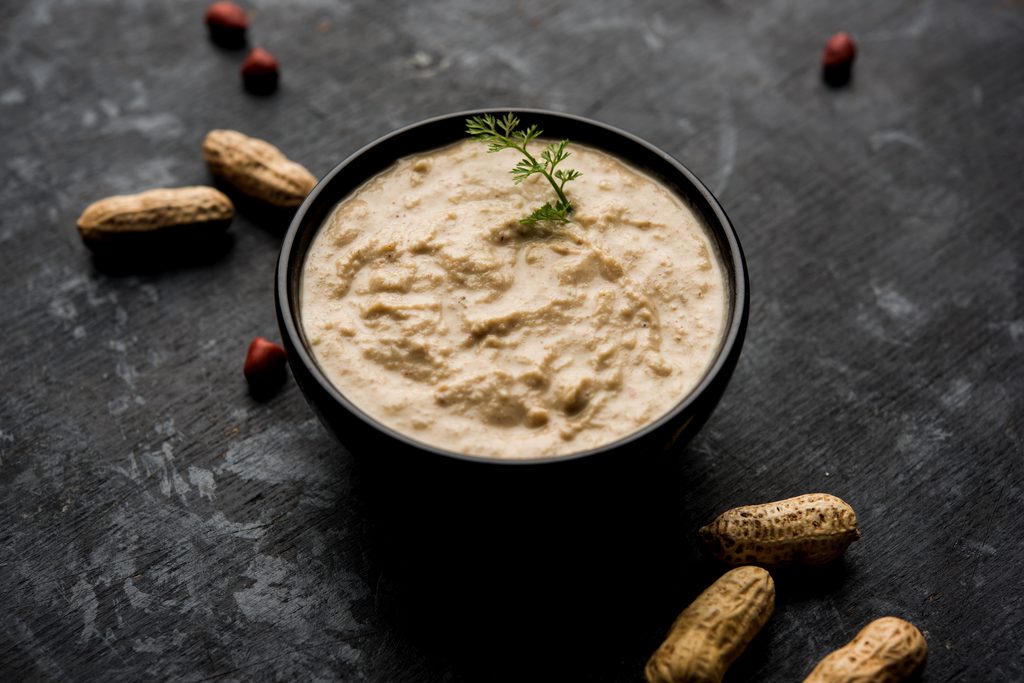
What Is Thai Peanut Sauce?
Thai peanut sauce is a sauce made primarily from peanuts or peanut butter combined with other ingredients that create a balance of flavors. The sauce is usually creamy and smooth, although some versions may contain small peanut pieces for extra texture.
One of the reasons Thai peanut sauce is so popular is because it offers multiple flavors in a single bite. The peanuts provide richness, while ingredients such as soy sauce, lime juice, and sweeteners contribute salty, tangy, and sweet notes.
The exact ingredients can vary depending on the recipe, region, or personal preference, but the goal is generally the same: to create a flavorful sauce that enhances a wide range of dishes.
Where Does Thai Peanut Sauce Come From?
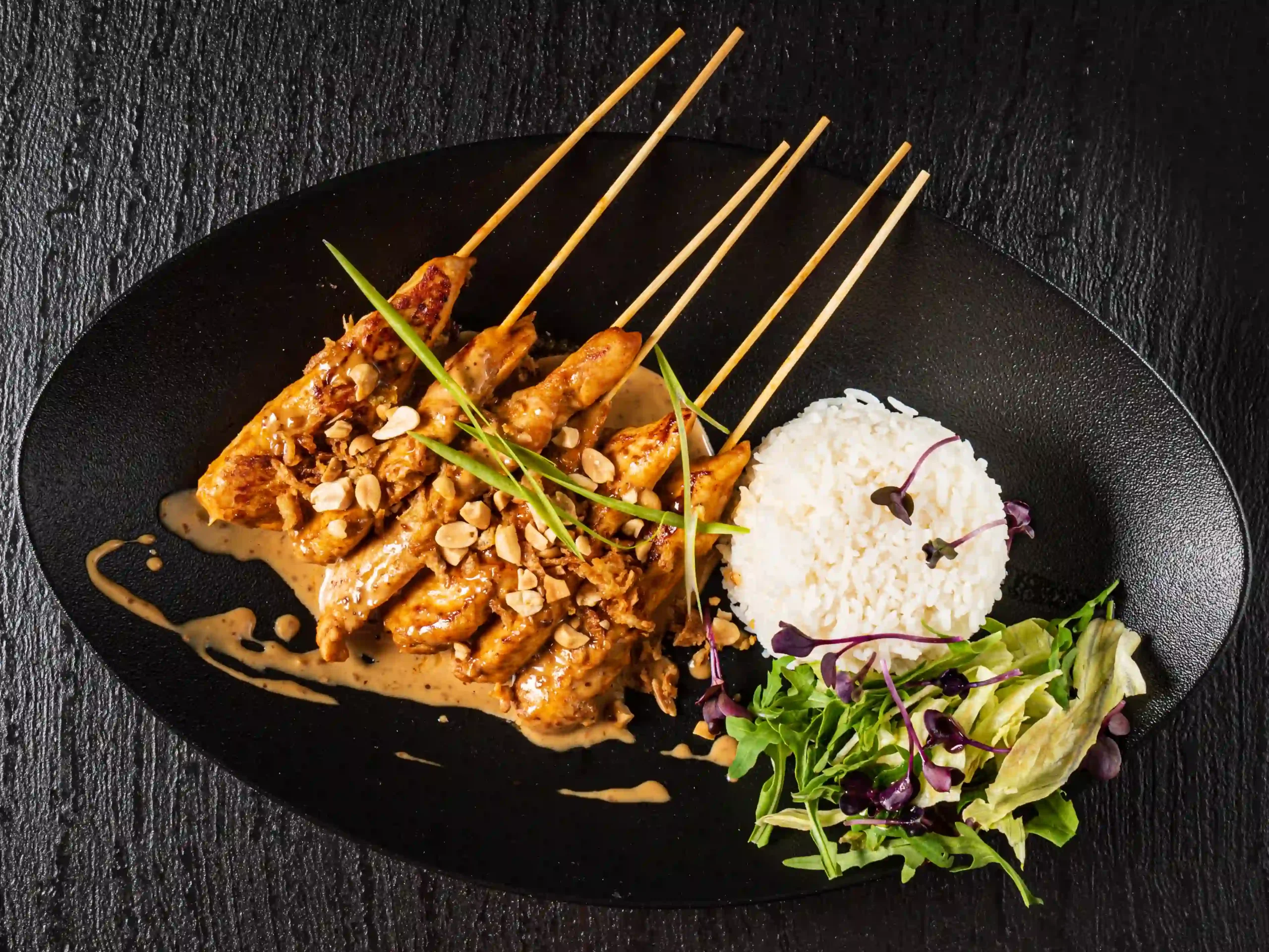
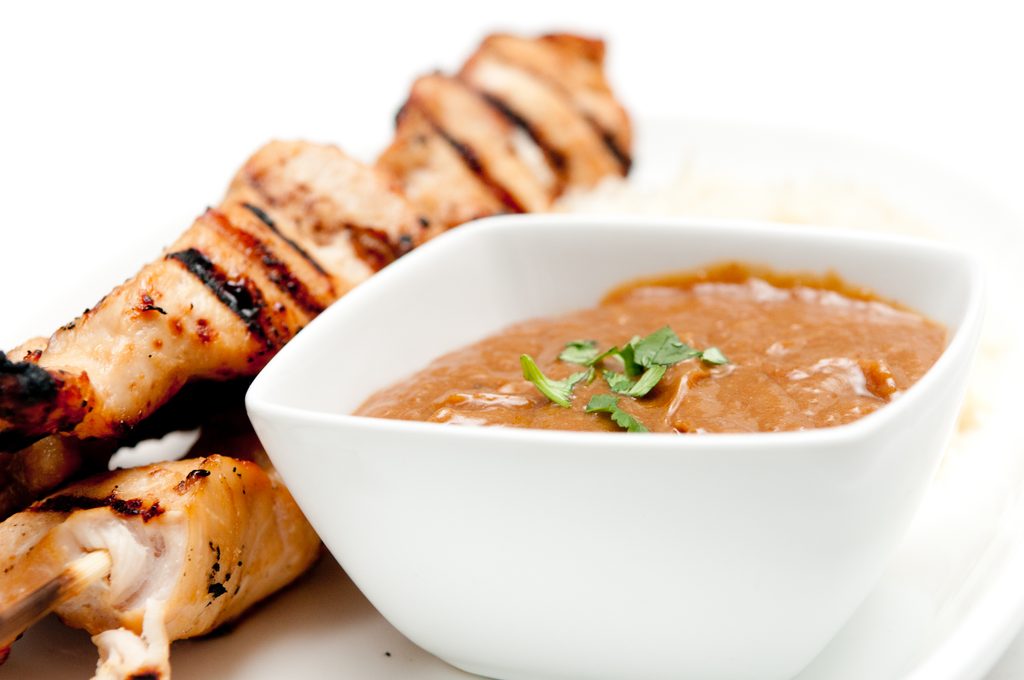
Thai peanut sauce is commonly associated with Thai cuisine, particularly dishes that feature grilled meats and satay skewers. However, peanut sauces have influences from several Southeast Asian food traditions.
Peanuts were introduced to Asia centuries ago and became an important ingredient in many regional cuisines. Over time, different countries developed their own peanut-based sauces using local ingredients and cooking techniques.
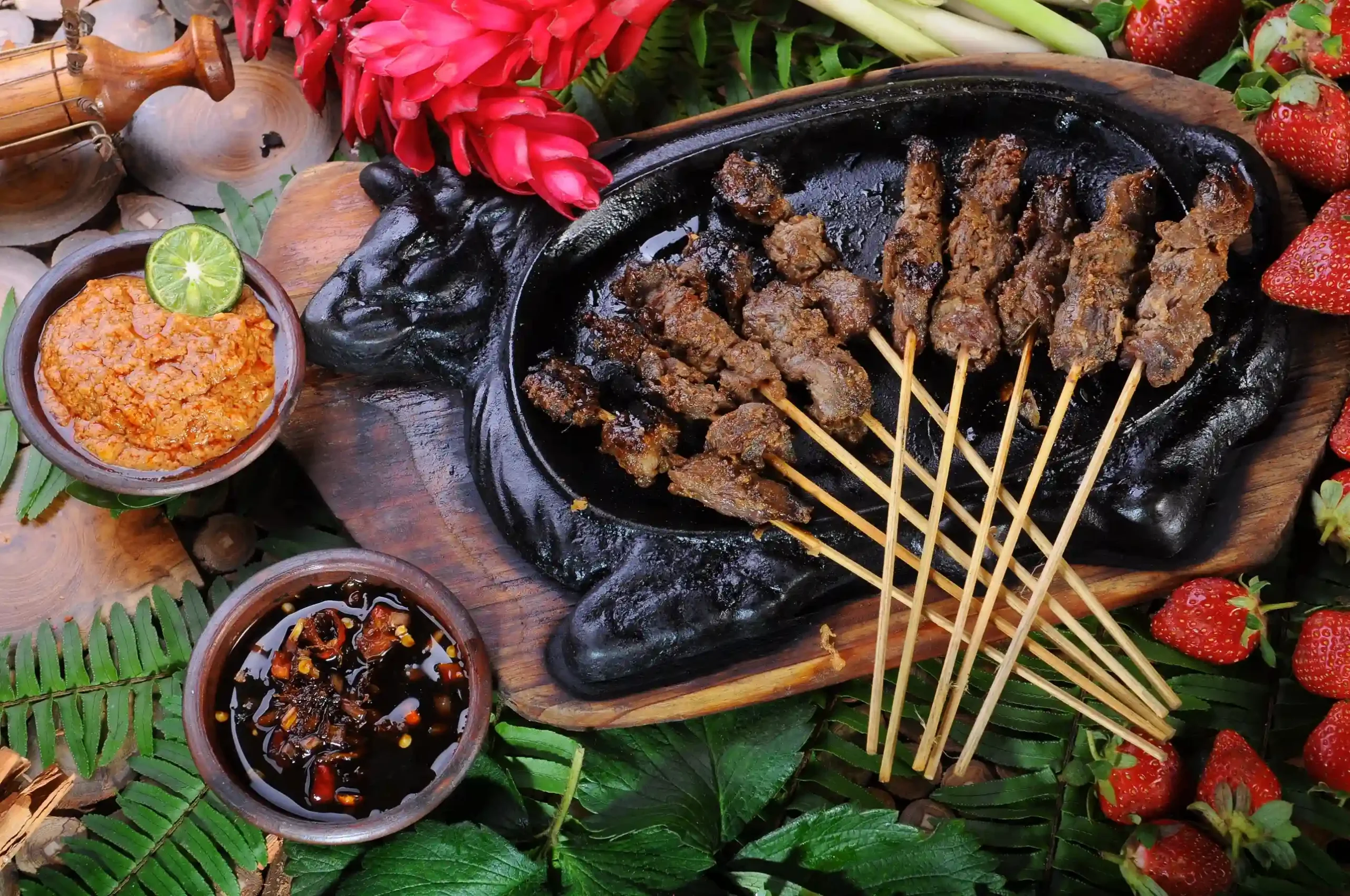
In Thailand, peanut sauce became closely connected with satay, a dish consisting of grilled meat served with a flavorful dipping sauce. As Thai food gained popularity around the world, peanut sauce became one of the most recognized elements of Thai-inspired cuisine.
Today, Thai peanut sauce is enjoyed globally and is often used in both traditional and modern recipes.
What Is Thai Peanut Sauce Made Of?
Although recipes can vary, most Thai peanut sauces include a combination of the following ingredients.
Peanuts or Peanut Butter
Peanuts are the foundation of the sauce. Many modern recipes use peanut butter because it is convenient and creates a smooth texture.
Natural peanut butter is often preferred because it contains fewer added ingredients and provides a stronger peanut flavor.
Soy Sauce
Soy sauce adds saltiness and depth to the sauce. It helps balance the richness of the peanuts and contributes a savory flavor.
Some recipes use alternatives such as tamari or coconut aminos depending on dietary preferences.
Lime Juice
Lime juice provides freshness and acidity. Its tangy flavor helps balance the creamy texture of the peanuts and prevents the sauce from tasting too heavy.
Sweeteners
Many recipes include a sweet ingredient such as brown sugar, honey, maple syrup, or palm sugar.
The sweetness complements the salty and tangy elements while creating the signature balanced flavor that Thai peanut sauce is known for.
Garlic
Garlic adds aroma and depth. Even a small amount can enhance the overall flavor of the sauce.
Fresh garlic is commonly used, although garlic powder may be included in some recipes.
Ginger
Ginger contributes a mild warmth and freshness that works well with peanuts and other ingredients.
It helps create a more complex flavor profile without overpowering the sauce.
Chili or Chili Sauce
Some Thai peanut sauces include chili flakes, chili paste, or hot sauce to provide heat.
The level of spiciness can vary greatly depending on personal preference and the specific recipe.
Coconut Milk
Many versions of Thai peanut sauce use coconut milk to create a smoother texture and richer flavor.
Coconut milk also adds a subtle sweetness that complements the peanuts.
How Does Thai Peanut Sauce Taste?
Thai peanut sauce is known for its balanced flavor profile.
The first thing many people notice is the rich and nutty taste from the peanuts. This is followed by layers of sweetness, saltiness, and tanginess. Depending on the recipe, there may also be a mild or strong spicy kick.
The combination of these flavors creates a sauce that is both comforting and exciting. No single ingredient dominates the others. Instead, they work together to create a well-rounded taste experience.
Many people describe Thai peanut sauce as creamy, savory, slightly sweet, and pleasantly tangy.
Why Is Thai Peanut Sauce So Popular?
There are several reasons why Thai peanut sauce has become popular around the world.
It Is Versatile
One of the biggest advantages of Thai peanut sauce is its versatility. It can be used with a wide variety of foods and cooking styles.
Whether served as a dip, dressing, or topping, it complements many ingredients.
It Has Balanced Flavors
The combination of sweet, salty, tangy, and nutty flavors appeals to many different tastes.
This balance makes it enjoyable for people who prefer complex yet approachable foods.
It Works With Many Diets
Thai peanut sauce can often be adapted to suit different dietary needs.
Many recipes can be made vegetarian, vegan, dairy-free, or gluten-free by choosing suitable ingredients.
It Is Easy to Make
Most versions of Thai peanut sauce require only a handful of ingredients and minimal preparation.
This simplicity makes it a popular choice for home cooks looking to add flavor to everyday meals.
How Is Thai Peanut Sauce Used?
Thai peanut sauce can be enjoyed in many different ways.
As a Dip
One of the most common uses is as a dipping sauce.
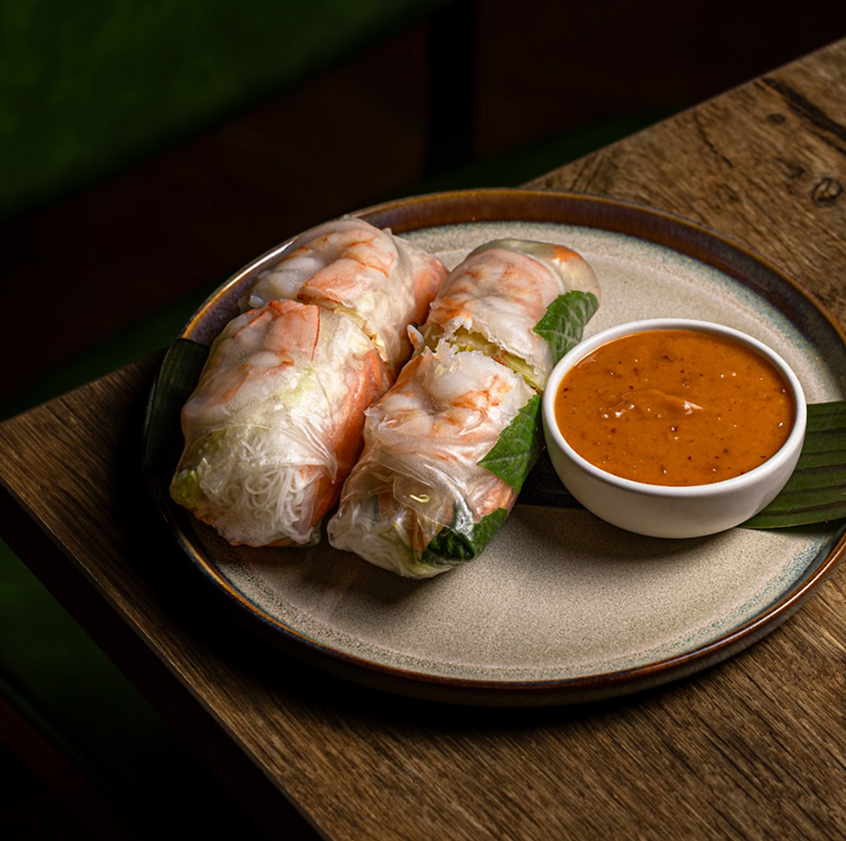
Fresh vegetables, grilled meats, spring rolls, and appetizers can all be paired with peanut sauce for extra flavor.
With Noodles
Thai peanut sauce is often mixed with noodles to create a rich and satisfying meal.
The sauce coats the noodles and adds a creamy texture that complements vegetables and proteins.
On Rice Dishes
Rice bowls can benefit from a drizzle of peanut sauce.
It adds moisture, flavor, and richness to simple rice-based meals.
With Grilled Foods
Grilled chicken, beef, shrimp, and tofu pair exceptionally well with peanut sauce.
The creamy sauce contrasts nicely with the smoky flavors produced during grilling.
As a Salad Dressing
When thinned with water or additional lime juice, Thai peanut sauce can be used as a flavorful salad dressing.
It works particularly well with crunchy vegetables and Asian-inspired salads.
Foods That Pair Well With Thai Peanut Sauce
Thai peanut sauce complements many ingredients and dishes.
Popular pairings include:
- Chicken
- Beef
- Pork
- Shrimp
- Tofu
- Rice noodles
- Vegetables
- Rice bowls
- Spring rolls
- Lettuce wraps
- Cucumber
- Carrots
- Bell peppers
- Cabbage
- Broccoli
Because of its balanced flavor profile, the sauce can enhance both simple and complex meals.
Is Thai Peanut Sauce Healthy?
The nutritional value of Thai peanut sauce depends on the ingredients used and the serving size.
Peanuts provide protein, healthy fats, vitamins, and minerals. Ingredients such as garlic, ginger, and lime juice also contribute nutrients and flavor.
However, some recipes may contain added sugars, sodium, or higher amounts of fat. As with many foods, moderation is important.
Homemade versions allow greater control over ingredients and can be adjusted to meet specific dietary goals.
Different Types of Thai Peanut Sauce
Although Thai peanut sauce is often discussed as a single recipe, there are actually many variations. Different cooks and restaurants may prepare the sauce in slightly different ways.
Mild Peanut Sauce
A mild version focuses on the nutty and creamy flavors of the peanuts. It contains little or no chili, making it suitable for people who prefer less spice.
This version is often served with vegetables, chicken, and noodle dishes.
Spicy Peanut Sauce
Spicy peanut sauce includes ingredients such as chili flakes, chili paste, or fresh chilies.
The added heat creates a stronger flavor and is often enjoyed with grilled foods and stir-fried dishes.
Sweet Peanut Sauce
Some recipes contain a larger amount of sweetener, creating a sweeter flavor profile.
This type of sauce is commonly used as a dipping sauce and pairs well with savory foods.
Coconut Peanut Sauce
Coconut milk is added to create an extra creamy texture and a slightly sweeter taste.
The combination of coconut and peanuts creates a rich sauce that works well in noodle dishes and rice bowls.
Homemade vs Store-Bought Thai Peanut Sauce
Many people wonder whether homemade or store-bought Thai peanut sauce is the better option.
Homemade Peanut Sauce
Making Thai peanut sauce at home allows complete control over the ingredients.
Benefits of homemade sauce include:
- Adjustable sweetness
- Adjustable spice level
- Fresh ingredients
- No unnecessary additives
- Ability to customize flavors
Home cooks can experiment with ingredients until they find the perfect balance.
Store-Bought Peanut Sauce
Store-bought sauces offer convenience and save preparation time.
Benefits include:
- Ready to use
- Consistent flavor
- Easy storage
- Widely available
Many people keep a bottle of peanut sauce on hand for quick meals and snacks.
Both homemade and store-bought versions can be enjoyable depending on personal preferences and lifestyle.
How to Make Thai Peanut Sauce at Home
One reason Thai peanut sauce is so popular is that it is relatively simple to prepare.
A basic recipe often includes:
- Peanut butter
- Soy sauce
- Lime juice
- Garlic
- Sweetener
- Water or coconut milk
The ingredients are mixed together until smooth. Additional water can be added to achieve the desired consistency.
Some people prefer a thick sauce for dipping, while others prefer a thinner sauce for drizzling over salads or noodles.
The recipe can also be customized with extra spices, herbs, or seasonings.
Common Mistakes When Making Thai Peanut Sauce
Even though Thai peanut sauce is simple to prepare, a few mistakes can affect the final result.
Adding Too Much Sweetener
Excessive sweetness can overpower the other flavors.
The best peanut sauces maintain a balance between sweet, salty, tangy, and nutty elements.
Using Too Little Liquid
A sauce that is too thick can be difficult to mix and serve.
Adding small amounts of water or coconut milk can help create a smoother consistency.
Skipping the Acid
Lime juice or another acidic ingredient is important because it balances the richness of the peanuts.
Without acidity, the sauce may taste heavy.
Overusing Spice
While some people enjoy spicy foods, adding too much heat can mask the other flavors.
It is often best to add chili gradually and adjust to taste.
How to Store Thai Peanut Sauce
Proper storage helps maintain freshness and flavor.
Refrigeration
Thai peanut sauce is typically stored in an airtight container in the refrigerator.
Many homemade versions remain fresh for several days when refrigerated properly.
Stir Before Using
Ingredients may separate slightly during storage.
A quick stir before serving usually restores the desired texture.
Freezing
Some peanut sauces can be frozen for longer storage.
When thawed, the sauce may need to be mixed again to restore its consistency.
Following proper storage practices helps reduce waste and keeps the sauce ready for future meals.
Can Thai Peanut Sauce Be Modified?
One of the biggest advantages of Thai peanut sauce is its flexibility.
Making It Spicier
Extra chili flakes, chili paste, or fresh peppers can increase the heat level.
Making It Sweeter
Additional honey, sugar, or other sweeteners can create a sweeter flavor.
Making It Thinner
Water, coconut milk, or lime juice can be added to reduce thickness.
Making It Thicker
Additional peanut butter or ground peanuts can create a thicker texture.
These simple adjustments allow people to customize the sauce according to their preferences.
Why Peanuts Work So Well in Sauces
Peanuts have several qualities that make them ideal for sauces.
First, they contain natural oils that contribute to a creamy texture.
Second, their mild flavor pairs well with both sweet and savory ingredients.
Third, peanuts blend easily with liquids, creating smooth sauces that coat foods effectively.
These characteristics help explain why peanut-based sauces have remained popular for generations.
Thai Peanut Sauce Around the World
As Thai cuisine became more widely known internationally, Thai peanut sauce gained popularity in many countries.
Today, it can be found in restaurants, grocery stores, and home kitchens around the world.
Many chefs have adapted the sauce to suit local tastes and ingredients. Some recipes are closer to traditional versions, while others incorporate new flavors and techniques.
Despite these variations, the key characteristics remain the same: a creamy texture and a balanced combination of nutty, sweet, salty, and tangy flavors.
The global popularity of Thai peanut sauce demonstrates its versatility and broad appeal.
When to Serve Thai Peanut Sauce
Thai peanut sauce is suitable for many occasions.
Everyday Meals
It can add flavor to simple lunches and dinners.
A small amount of sauce can transform ordinary vegetables, rice, or grilled protein into a more satisfying meal.
Family Gatherings
Peanut sauce is often served at gatherings because it pairs well with a variety of foods.
Guests can use it as a dip or topping based on their preferences.
Parties and Events
Many appetizers and finger foods work well with Thai peanut sauce.
Its rich flavor makes it a popular addition to party menus.
Meal Preparation
People who prepare meals in advance often include peanut sauce because it can be used with multiple dishes throughout the week.
This versatility makes meal planning easier and more enjoyable.
What Makes Thai Peanut Sauce Unique?
Many sauces offer one dominant flavor, but Thai peanut sauce stands out because of its balance.
The nuttiness of peanuts provides richness, while ingredients such as soy sauce, lime juice, sweeteners, garlic, and spices contribute additional layers of flavor.
This combination creates a sauce that can complement a wide range of foods without overwhelming them.
Its creamy texture also helps distinguish it from many other condiments and dressings.
The ability to function as a dip, dressing, marinade, and topping further adds to its uniqueness.
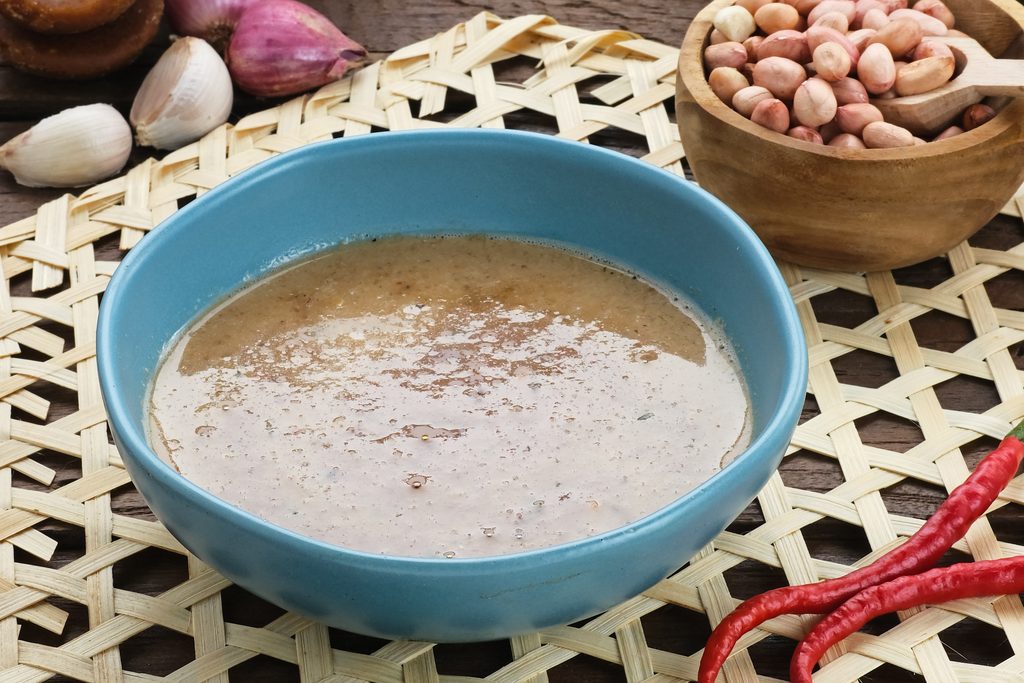
Is Thai Peanut Sauce Worth Trying?
For anyone who enjoys flavorful and versatile foods, Thai peanut sauce is often worth trying.
Its combination of creamy texture and balanced flavors appeals to many different tastes.
Whether used with vegetables, noodles, grilled meats, seafood, or salads, it can enhance meals in a simple yet satisfying way.
Because it can be adjusted to suit individual preferences, it is suitable for a wide variety of cooking styles and dietary needs.
Many people who try Thai peanut sauce discover that it quickly becomes a regular part of their meal routine.
FAQs About Thai Peanut Sauce
Is Thai peanut sauce the same as peanut butter?
No. Peanut butter is one of the main ingredients often used to make Thai peanut sauce, but the sauce also contains seasonings and other ingredients that create a more complex flavor.
Does Thai peanut sauce always contain coconut milk?
No. Some recipes use coconut milk for added creaminess, while others rely on water or other liquids to achieve the desired consistency.
Can Thai peanut sauce be served cold?
Yes. The sauce can be served cold at room temperature, or warm depending on the dish and personal preference.
Is Thai peanut sauce suitable for vegetarians?
Many versions are vegetarian, but ingredients can vary. It is always a good idea to check the recipe or product label.
Why is Thai peanut sauce sometimes thick?
The thickness usually comes from the peanuts or peanut butter. The consistency can be adjusted by adding more liquid.
Can Thai peanut sauce be used as a marinade?
Yes. Many people use Thai peanut sauce as a marinade for chicken, beef, tofu, and other proteins before cooking.
What vegetables go best with Thai peanut sauce?
Carrots, cucumbers, bell peppers, broccoli, cabbage, and snap peas are commonly paired with Thai peanut sauce.
Does Thai peanut sauce contain dairy?
Traditional recipes are generally dairy-free, although ingredients can vary depending on the recipe.
Can Thai peanut sauce be made without peanuts?
Some alternative recipes use other nut or seed butters, but traditional versions are made with peanuts or peanut butter.
Why has Thai peanut sauce become so popular worldwide?
Its creamy texture, balanced flavor profile, versatility, and compatibility with many foods have helped make it a favorite in kitchens around the world.
Conclusion
Thai peanut sauce is a creamy, flavorful sauce made with peanuts or peanut butter, soy sauce, lime juice, garlic, sweeteners, and spices. Known for its balance of sweet, savory, tangy, and nutty flavors, it is a popular addition to many Thai-inspired dishes.
Its versatility makes it ideal as a dipping sauce, salad dressing, noodle sauce, marinade, or topping for grilled meats, seafood, vegetables, and rice bowls. The sauce can also be customized to be mild, spicy, sweet, or coconut-based to suit different tastes.
For those looking to enjoy authentic Thai-inspired flavors, Lim Ros Thai Restaurant is a popular choice in Orlando, offering a variety of flavorful dishes for both locals and visitors.