Thai food is loved all over the world for its bold flavors, fragrant herbs, and balance of sweet, sour, salty, and spicy tastes. Among the many dishes you might find at a Thai restaurant, one of the most popular is drunken noodles. The name sounds unusual and sometimes makes people curious. Are they made with alcohol? Do they get you tipsy? The truth is that drunken noodles are not made with alcohol at all. Instead, this dish is a flavorful, spicy stir fry that has become a favorite for people who love bold Thai flavors.
In this guide, we will explore everything about drunken noodles. We will look at where they come from, what ingredients go into them, how they are cooked, and why they are so popular. By the end, you will understand the story behind the dish and maybe even feel inspired to try making it at home.
A Look at Thai Noodles
Before diving into drunken noodles, it helps to understand the role of noodles in Thai cuisine. Thai people eat a wide variety of noodles, which are often used in stir fry dishes, soups, and salads. Common noodle dishes include pad Thai, pad see ew, and boat noodles. Each type of noodle has its own texture, flavor, and cooking style.
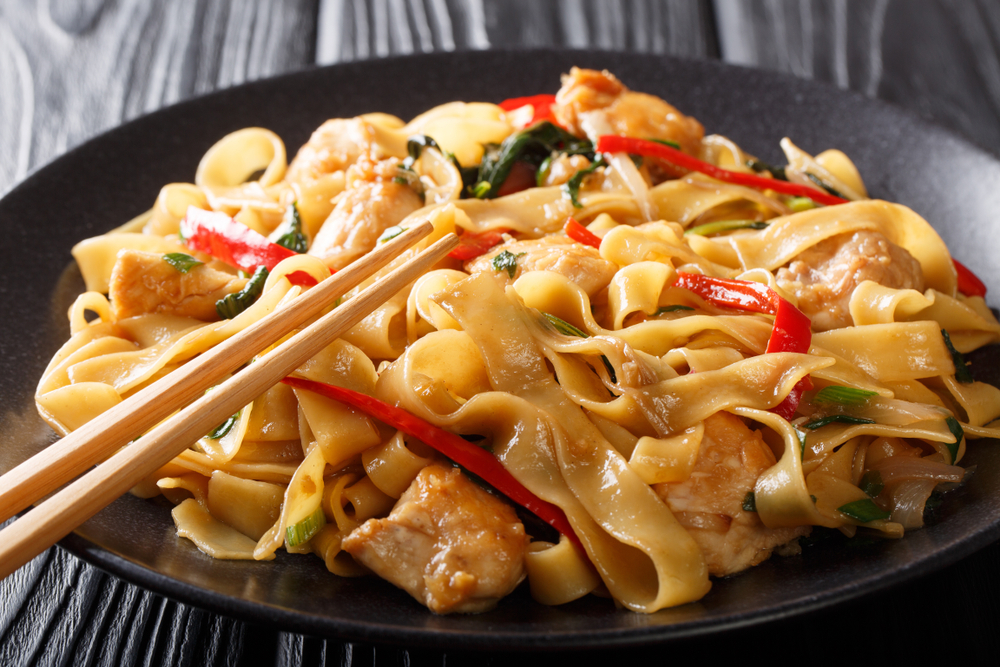
Noodles in Thailand can be made from rice or wheat, but rice noodles are the most popular. They come in many shapes and sizes, from thin vermicelli-like noodles to wide flat noodles. Drunken noodles are made with the wide flat type, which holds sauce well and creates a chewy texture that balances the dish’s strong flavors.
The History of Drunken Noodles
The exact origin of drunken noodles is hard to pin down, but like many traditional dishes, it has stories and theories attached to its name. One popular story says that the dish was created late at night by someone who was drunk and wanted food that was fast, spicy, and satisfying. The cook threw together noodles, fresh vegetables, and plenty of chili peppers, resulting in the fiery dish we know today.
Another idea is that drunken noodles became a popular dish to eat after drinking. The intense heat and strong flavors help wake people up and balance the effects of alcohol. Whether or not that is true, the name stuck.
In Thai, the dish is called “pad kee mao.” The word “pad” means stir fried, and “kee mao” is often translated as drunkard or drunk. Some people think the “drunk” in the name may also be linked to the wild mix of ingredients and spices that make the dish exciting, almost like the chaotic energy of a late-night party.
What Makes Drunken Noodles Special
Drunken noodles stand out from other Thai noodle dishes for a few reasons:
- Spice Level – Drunken noodles are known for being quite spicy. Fresh Thai chilies are a key ingredient, and they bring a heat that lingers with every bite.
- Wide Rice Noodles – The chewy texture of wide noodles makes the dish more filling and satisfying compared to thinner noodles.
- Bold Flavors – The sauce is a mix of salty, savory, and slightly sweet ingredients that coat the noodles perfectly.
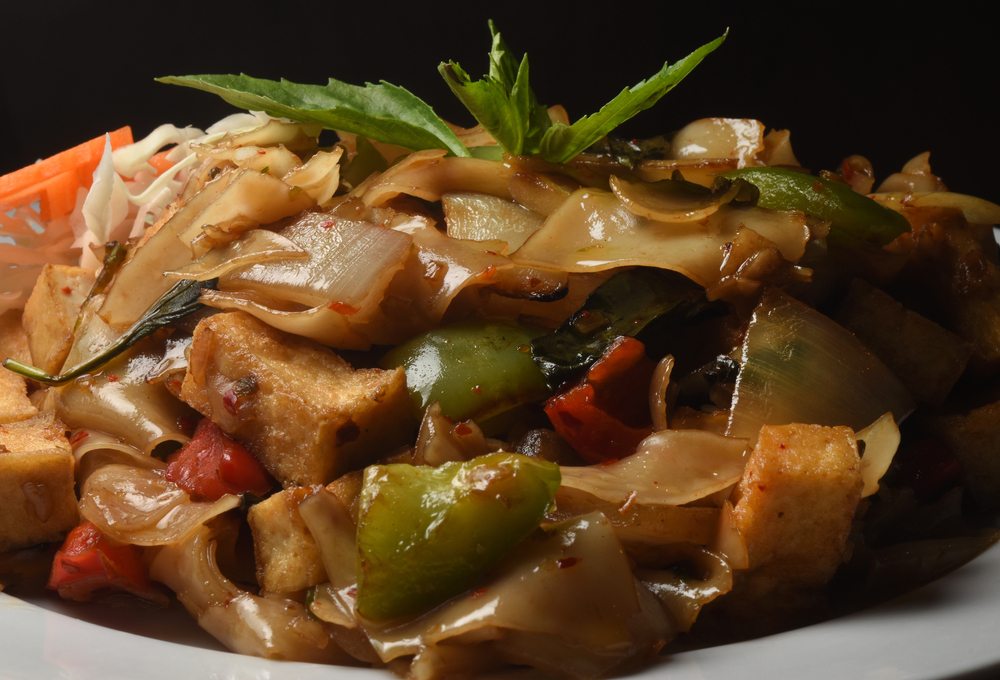
- Versatility – Drunken noodles can be made with chicken, beef, pork, seafood, or kept vegetarian with tofu and extra vegetables.
These qualities make it a dish that appeals to both Thai locals and international diners.
Difference Between Drunken Noodles and Pad Thai
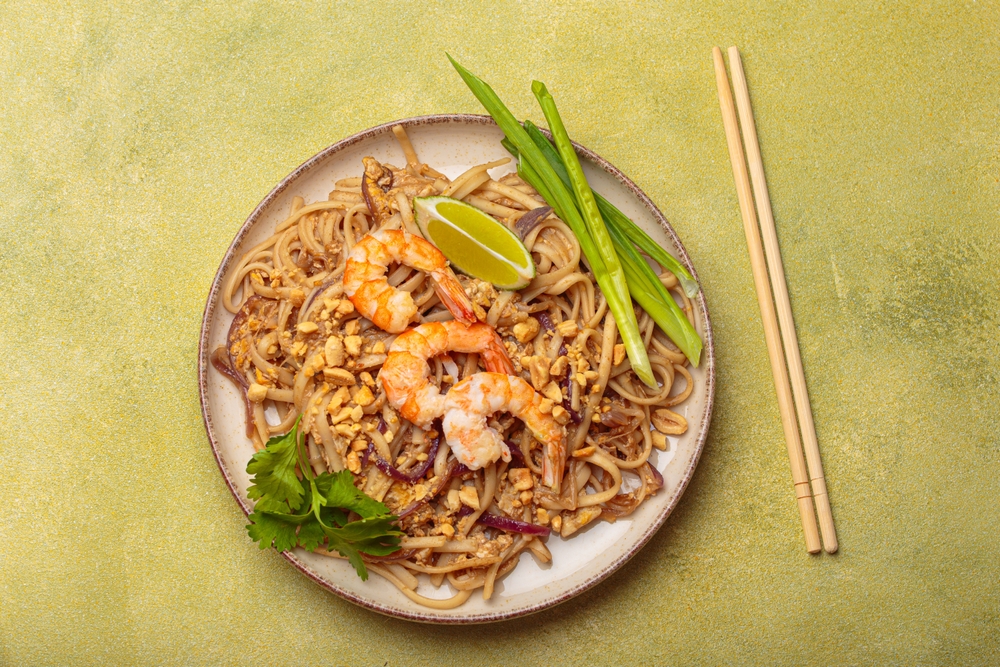
Many people who try Thai food for the first time compare drunken noodles to pad Thai, but the two dishes are quite different. Pad Thai is sweeter, nutty, and often less spicy. It is usually made with thinner noodles, peanuts, and tamarind sauce, giving it a tangy flavor.
Drunken noodles, on the other hand, are savory, spicy, and herb-forward. Instead of peanuts, they rely on fresh chilies, garlic, and Thai basil to create their signature taste. If pad Thai is a dish for someone who prefers balance and sweetness, drunken noodles are for those who enjoy heat and boldness.
Ingredients in Drunken Noodles
To understand drunken noodles, you need to know the key ingredients. While recipes can vary, these are the common elements:
- Wide rice noodles – The base of the dish, usually fresh but sometimes dried.
- Protein – Chicken, beef, pork, shrimp, or tofu are common choices.
- Vegetables – Bell peppers, baby corn, onions, broccoli, carrots, and tomatoes can all be included.
- Thai chilies – Fresh and spicy, they are the heart of the heat.
- Garlic – Adds a strong aroma and depth of flavor.
- Thai basil – A signature herb that brings a slightly peppery and licorice-like taste.
- Sauce mix – A blend of soy sauce, fish sauce, oyster sauce, and sometimes sugar to balance the spice.
This combination makes drunken noodles both flavorful and flexible. Cooks often adjust the vegetables and protein depending on what is available, but the chilies and basil are almost always included.
How Drunken Noodles Are Cooked
Drunken noodles are a stir fry dish, which means they are cooked quickly over high heat. The process is fairly simple, but timing and technique are important. Here is how they are usually prepared:
- Prepare the noodles – Fresh rice noodles are loosened and separated. If dried noodles are used, they are soaked until soft.
- Cook the protein – Chicken, beef, pork, shrimp, or tofu is stir fried in hot oil until cooked through.
- Add vegetables – Bell peppers, onions, or other vegetables are added and cooked until just tender.
- Stir in garlic and chilies – These bring the heat and aroma to the dish. They are often added at this stage so their flavor infuses into the oil.
- Add noodles and sauce – The softened noodles go into the pan along with the sauce, which usually contains soy sauce, fish sauce, and oyster sauce.
- Finish with Thai basil – Fresh basil is tossed in right before serving to keep its flavor vibrant.
The result is a dish that is smoky, spicy, and full of depth. The key is cooking everything quickly so that the noodles stay chewy and the vegetables remain crisp.
The Flavor Profile of Drunken Noodles
What makes drunken noodles memorable is their strong, bold flavor. The combination of salty sauces, fresh chilies, and aromatic basil gives the dish a punch that few others can match.
- Spicy – Thai chilies provide the heat that lingers in every bite.
- Savory – Soy sauce and fish sauce bring a deep umami taste.
- Sweetness – A small amount of sugar balances the salt and spice.
- Herbal – Thai basil adds a unique peppery and slightly sweet aroma.
This balance of flavors is what Thai cuisine is famous for, and drunken noodles show it beautifully.
Regional Variations of Drunken Noodles
Like many traditional dishes, drunken noodles have variations depending on who is cooking them and where. Some cooks keep the dish very simple with just noodles, chilies, and basil, while others add a wide mix of vegetables.
In Thailand, street vendors may use more chilies for customers who love heat, while restaurants that serve tourists may tone down the spice. In the United States and other countries, drunken noodles often include vegetables like broccoli, carrots, or baby corn that may not always be part of the original Thai recipe.
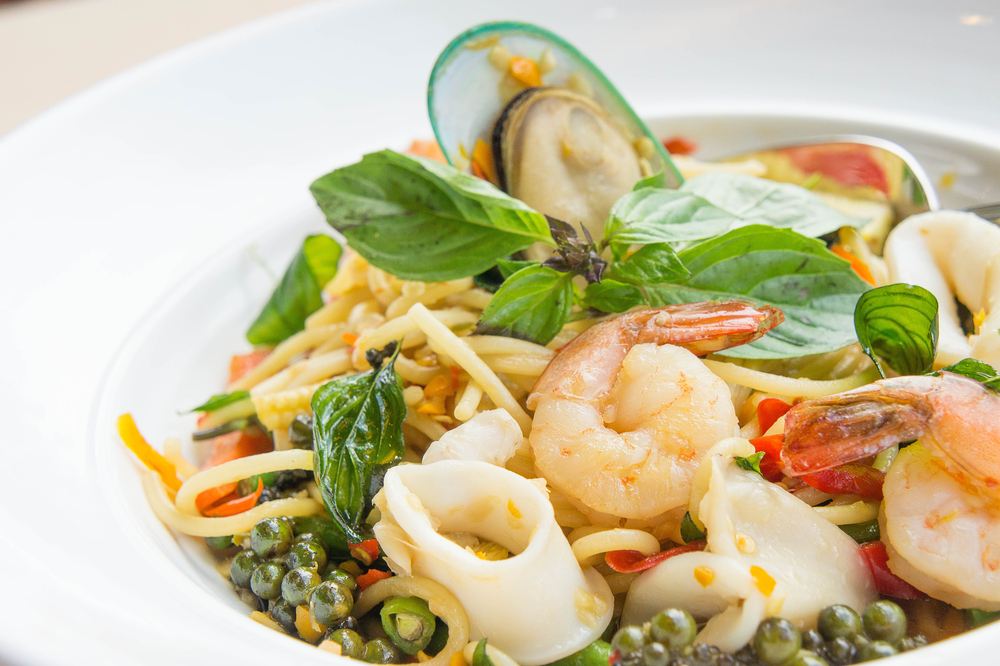
Another variation comes from the choice of protein. Chicken and shrimp are very popular, but beef and pork versions are also common. Vegetarian versions often replace meat with tofu and sometimes add extra vegetables.
Nutritional Information About Drunken Noodles
Drunken noodles are a hearty and filling dish, but like many stir fry meals, the nutrition depends on the ingredients used.
- Calories – A typical serving can range from 400 to 700 calories depending on portion size and protein.
- Carbohydrates – Rice noodles provide a significant amount of carbs, which makes the dish satisfying and energizing.
- Protein – Chicken, beef, pork, shrimp, or tofu add protein that balances the meal.
- Vegetables – Depending on the recipe, you may get a variety of vitamins and fiber from the vegetables.
- Sodium – Because the dish uses soy sauce, fish sauce, and oyster sauce, it can be high in sodium. Choosing low-sodium alternatives helps reduce this.
Overall, drunken noodles can be part of a balanced diet, especially when made with lean proteins and plenty of vegetables.
Drunken Noodles vs. Other Thai Dishes
It can be easy to confuse drunken noodles with other noodle dishes, so here is a quick comparison:
- Pad Thai – Sweeter, tangier, and less spicy. Made with tamarind and peanuts.
- Pad See Ew – Milder, with wide noodles like drunken noodles, but flavored with soy sauce and Chinese broccoli.
- Drunken Noodles – Spicy, bold, and packed with basil and chilies.
Each dish has its own appeal, but drunken noodles are usually the choice for people who want something hot, bold, and full of flavor.
What to Eat with Drunken Noodles
Drunken noodles are often served as a main dish, but they also pair well with other Thai foods. Common pairings include:
- Thai iced tea – The sweetness of the tea balances the spiciness of the noodles.
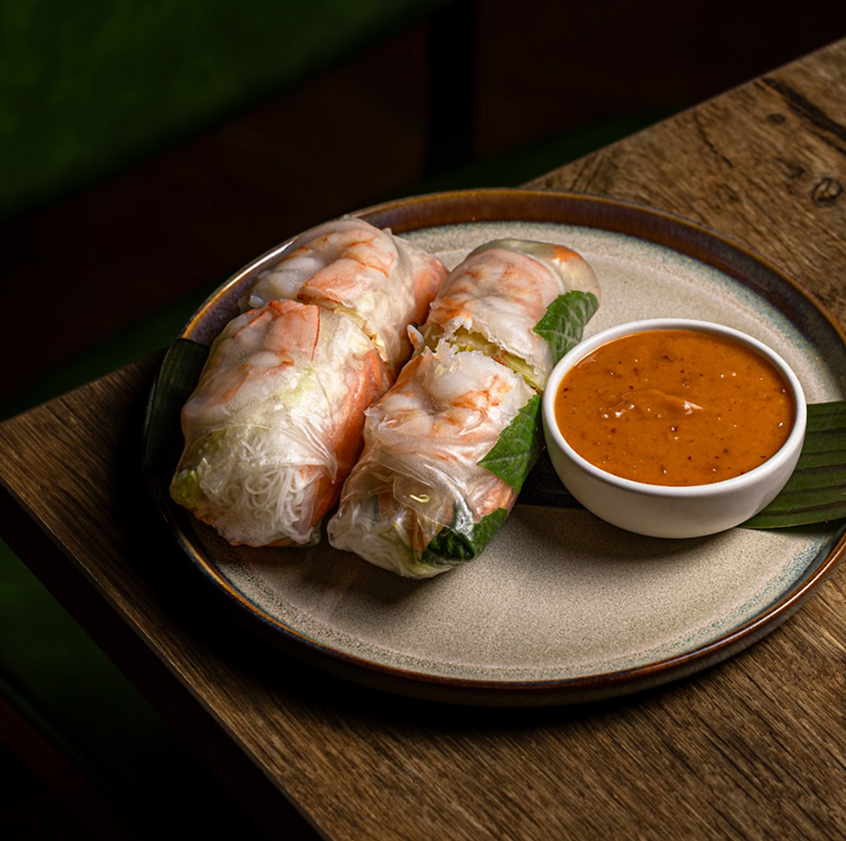
- Spring rolls – A light and crunchy side dish that complements the bold stir fry.
- Tom yum soup – A hot and sour soup that adds another layer of flavor.
- Steamed jasmine rice – A simple side that helps tone down the spice for those who need it.
In Thai culture, meals are often shared family-style, so drunken noodles may appear alongside several other dishes.
Cultural Significance of Drunken Noodles
Food in Thailand is more than just something to eat. It is tied to community, family, and tradition. Drunken noodles, like many Thai dishes, are often enjoyed with others rather than alone. The dish is a favorite for late-night meals, quick lunches, or shared plates at family gatherings.
The name itself gives the dish a playful reputation. Even though it does not contain alcohol, the word “drunken” suggests fun, energy, and the kind of meal you enjoy with friends after a long day or a night out. That is part of why it has become so popular outside of Thailand as well.
Global Popularity of Drunken Noodles
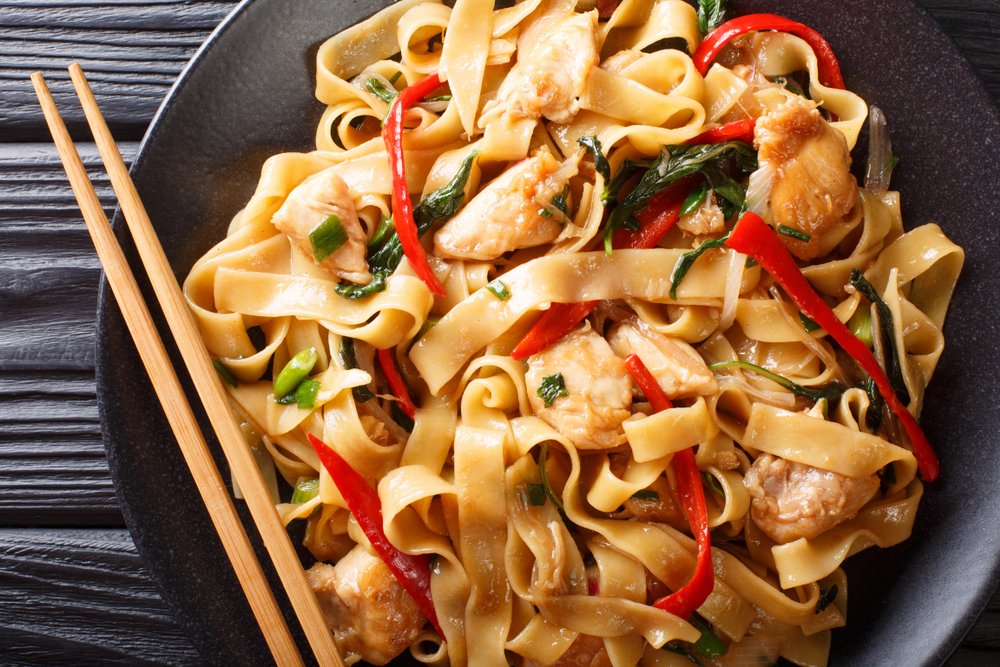
Drunken noodles started as a street food dish in Thailand, but today you can find them on Thai restaurant menus all over the world. In cities across the United States, the United Kingdom, Australia, and beyond, drunken noodles have become a favorite for anyone who loves bold and spicy food.
Part of the reason for this popularity is their flexibility. They can be adjusted for different spice levels, proteins, or dietary preferences. Vegetarians, seafood lovers, and meat eaters can all enjoy the dish in their own way. Restaurants that serve tourists often offer mild versions, while authentic Thai restaurants keep the dish fiery with plenty of chilies.
How to Make Drunken Noodles at Home
While nothing beats enjoying drunken noodles from a skilled Thai chef, it is possible to make them at home with the right ingredients. Here is a simple outline of the process:
- Gather ingredients – Wide rice noodles, protein of your choice, Thai basil, garlic, chilies, soy sauce, fish sauce, oyster sauce, and sugar. Add vegetables like bell peppers, onions, and tomatoes if you like.
- Prepare noodles – Soak dried noodles until soft or use fresh ones.
- Stir fry protein – Cook chicken, beef, shrimp, or tofu in hot oil.
- Add vegetables and aromatics – Toss in garlic, chilies, and vegetables. Cook until slightly tender.
- Add noodles and sauce – Mix in the noodles with your sauce blend. Stir quickly so everything is coated evenly.
- Finish with Thai basil – Add the basil last to keep its flavor fresh and strong.
Cooking drunken noodles at home requires high heat and quick movements, just like in Thai street food cooking. A wok is the best tool, but a large pan can also work.
Tips for Enjoying Drunken Noodles
- Adjust the spice – If you love heat, ask for extra chilies at a restaurant or add more at home. If you prefer mild, reduce the amount.
- Eat fresh – Drunken noodles are best enjoyed right after cooking. The noodles can become too soft if reheated.
- Pair with cooling drinks – Thai iced tea or coconut water are perfect companions for the spice.
- Share the dish – In Thai dining culture, meals are often shared. Order drunken noodles alongside other favorites like pad Thai, green curry, or tom yum soup.
Where to Find the Best Drunken Noodles in Orlando
Drunken noodles are more than just a meal. They are a reflection of Thai culture, bringing together spice, bold flavors, and fresh herbs in a way that leaves a lasting impression. From their beginnings as a quick and fiery street food to their place on menus around the world, drunken noodles have earned their reputation as one of the most loved Thai dishes.
If you are in Orlando and craving authentic drunken noodles, Lim Ros Thai Restaurant is the perfect place. Known for its fresh ingredients, traditional cooking, and warm hospitality, Lim Ros serves some of the best Thai food in the city. Whether you are dining in, picking up takeout, or ordering for delivery, their drunken noodles are a must-try. The balance of spice, basil, and perfectly cooked noodles makes them a standout dish for both locals and visitors.
Next time you are searching for authentic Thai food in Orlando, make Lim Ros your first choice for drunken noodles and more.