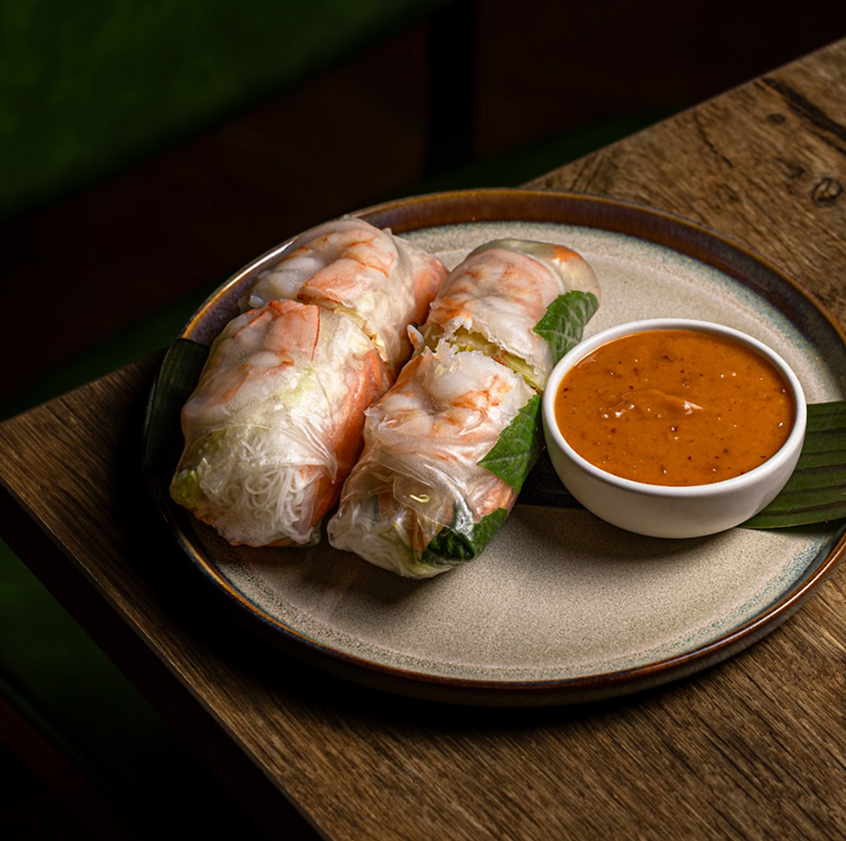
Asian food is known for its variety, bold flavors, and colorful presentation. Among the most loved cuisines in the world are Thai food and Chinese food. At first, they might look similar because both use rice, noodles, vegetables, and stir-frying methods. But when you taste them, you’ll notice that they are very different.
In this blog, we’ll explore the key differences between Thai and Chinese food, from their ingredients and cooking styles to the overall dining experience.
Thai Food vs. Chinese Food: 8 Key Differences
1. Flavor Profiles: How Each Cuisine Tastes
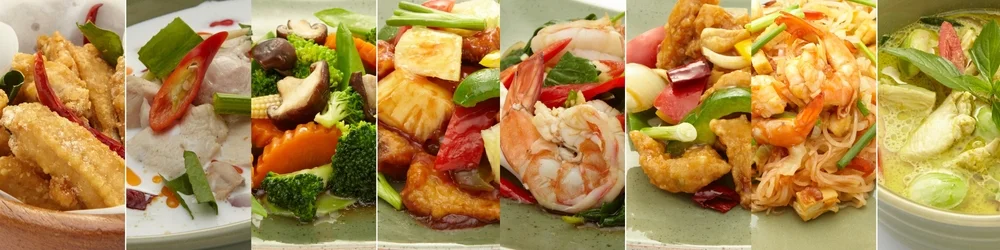
The most obvious difference between Thai and Chinese food is the flavor.
Thai Food
Thai cuisine is famous for its perfect balance of sweet, sour, salty, and spicy flavors in one dish. Every bite feels exciting and full of life. Ingredients like lime juice, fish sauce, sugar, and chili are used to create that balance.
For example, Pad Thai combines sweetness from tamarind and sugar with saltiness from fish sauce and a hint of spice from chili flakes. Thai curries, such as green or red curry, also mix heat, creaminess, and herbal notes beautifully.
Chinese Food
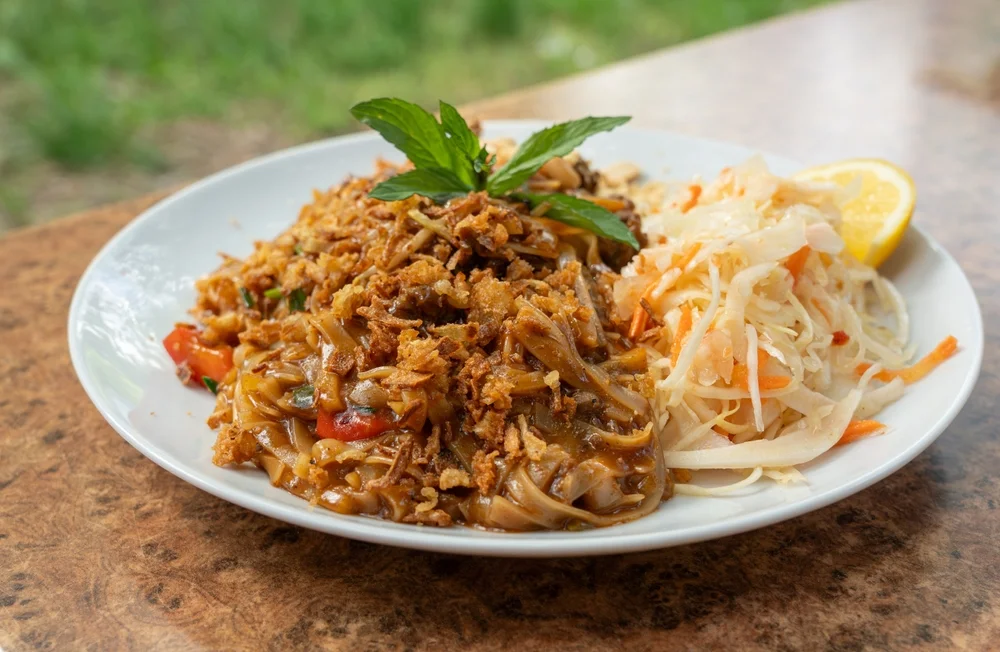
Chinese cuisine focuses more on harmony and simplicity. Each dish usually highlights one main flavor, whether it is sweet, savory, or mild. Chinese chefs often use soy sauce, garlic, ginger, and oyster sauce to season their food.
For instance, Kung Pao Chicken is spicy and sweet, while Beef and Broccoli is mostly savory. The flavors are strong but not as mixed as Thai dishes.
2. Ingredients and Seasonings
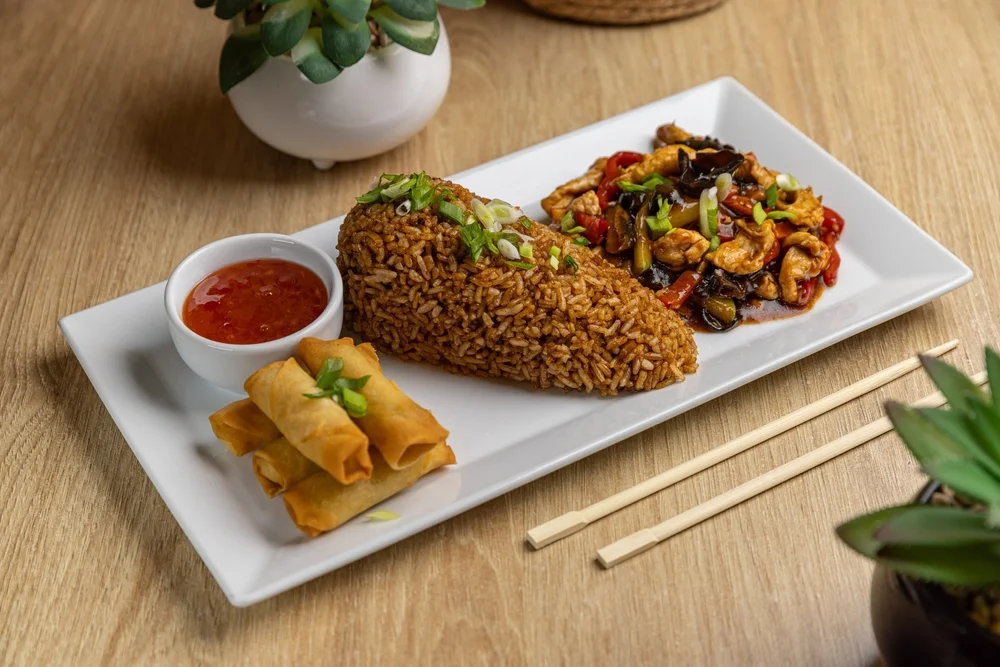
Both cuisines use similar staples like rice, noodles, vegetables, and meats, but their seasonings and herbs are quite different.
Thai Food Ingredients
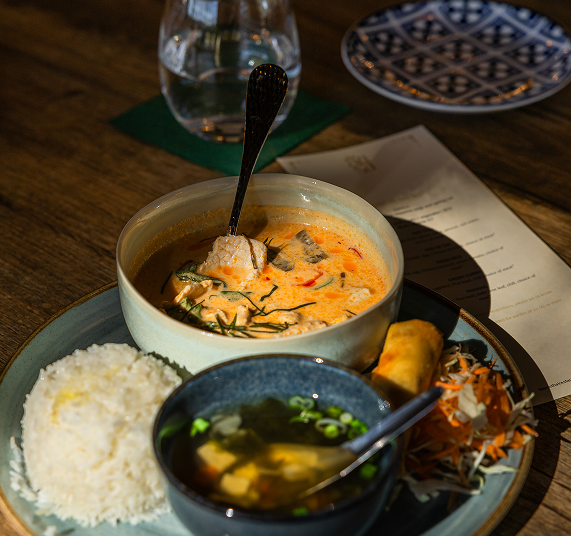
Thai food depends on fresh herbs and aromatics for its signature flavor. Common ingredients include:
- Lemongrass
- Kaffir lime leaves
- Thai basil
- Galangal (similar to ginger)
- Chili peppers
- Coconut milk
These ingredients create a fragrant and fresh taste that defines Thai cuisine. Coconut milk is often used to make creamy curries, while fish sauce adds depth and saltiness.
Chinese Food Ingredients
Chinese cooking focuses on sauces and preserved seasonings more than herbs. Common ingredients include:
- Soy sauce
- Oyster sauce
- Hoisin sauce
- Rice vinegar
- Garlic and ginger
- Chinese five-spice powder
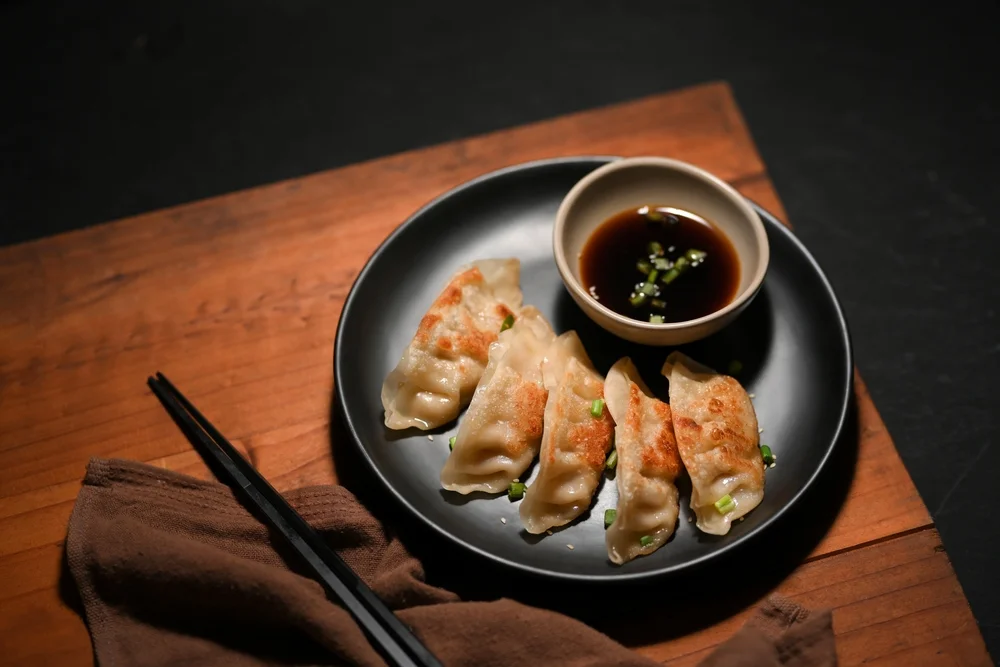
These flavors are rich and savory, often developed through stir-frying, braising, or slow cooking. The result is a deep, layered taste that feels comforting and familiar.
3. Cooking Styles
Thai Cooking
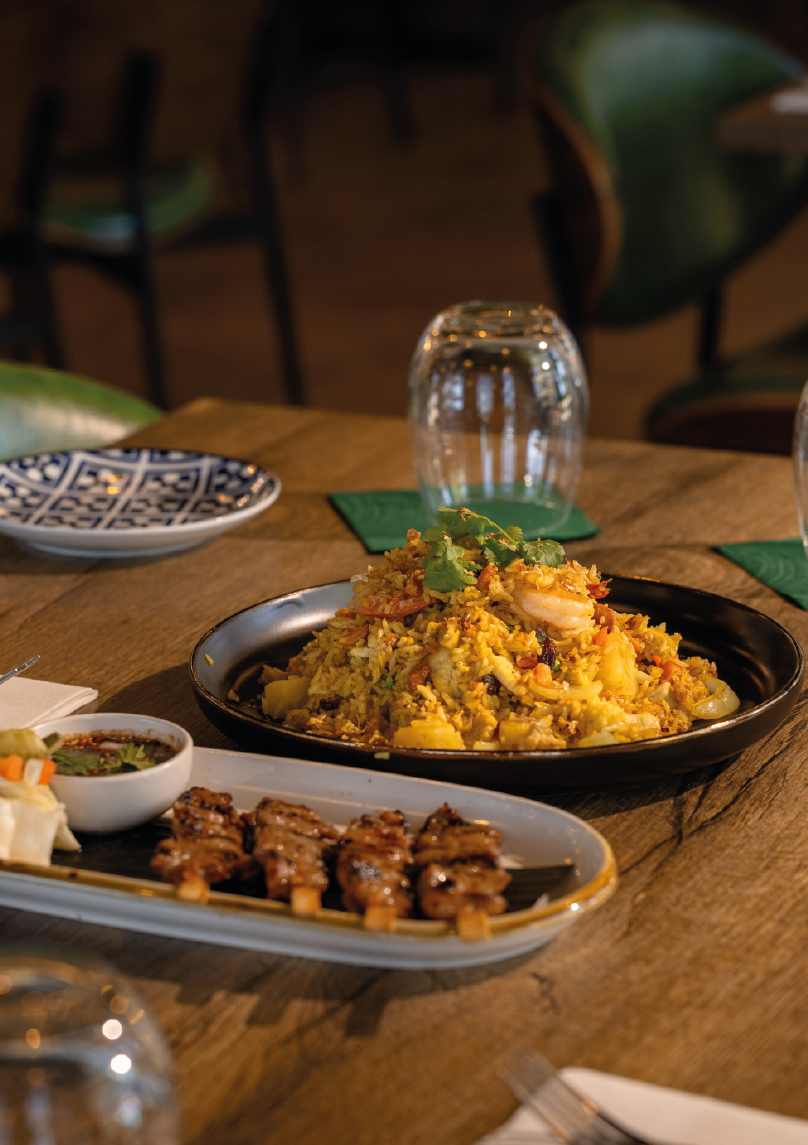
Thai chefs often use high heat and quick cooking to keep ingredients fresh and flavorful. Dishes like Pad Thai, fried rice, and stir-fried vegetables are made fast to preserve texture and aroma.
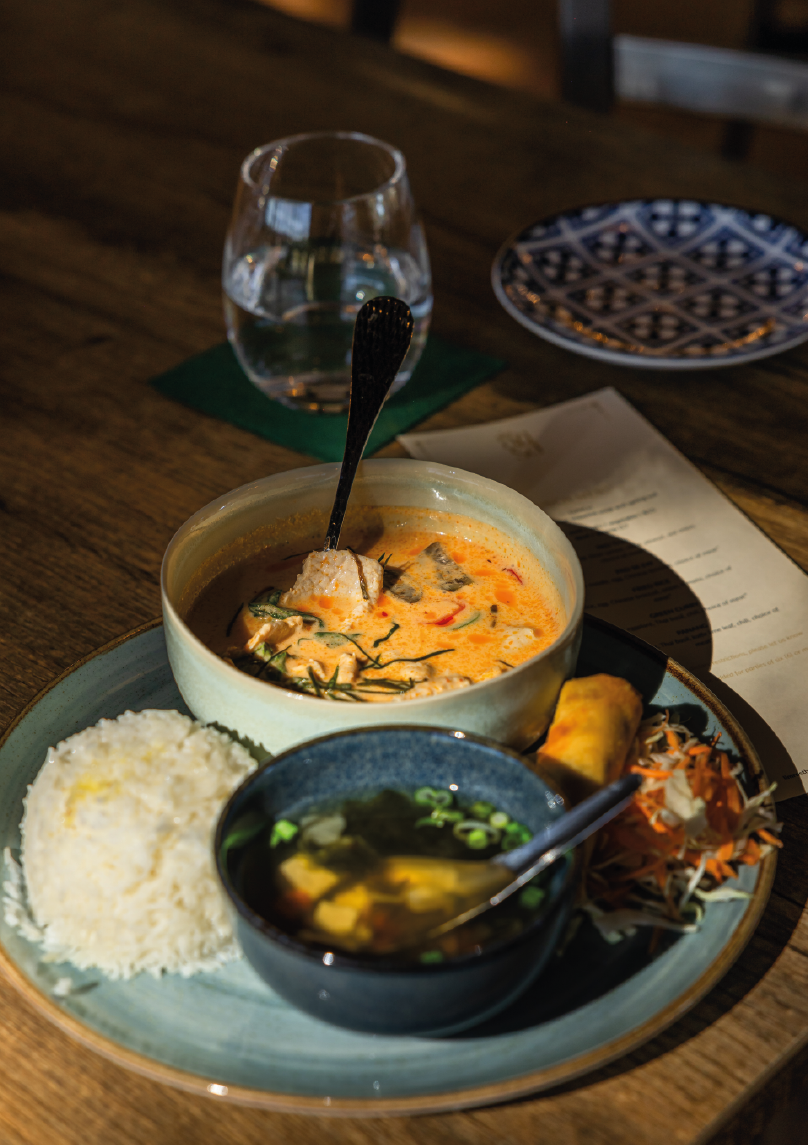
Curries are another important part of Thai cuisine. Made from fresh herbs, chili, and coconut milk, they create a creamy and spicy combination that is loved around the world.
Chinese Cooking
Chinese cuisine includes a wide variety of cooking methods, such as stir-frying, steaming, roasting, and braising. The cooking style changes from one region to another.
For example:
- Cantonese food focuses on light and fresh flavors through steaming and stir-frying.
- Sichuan food is known for its bold, spicy, and numbing taste.
- Northern Chinese food includes more roasting and noodle-based dishes.
Each region offers a different cooking tradition that reflects its climate and culture.
4. Spice Levels
Thai Food
Spice is a big part of Thai cooking. Many dishes include fresh or dried chili peppers that bring heat and flavor together. However, the spice can always be adjusted. You can order mild, medium, or spicy based on your preference.
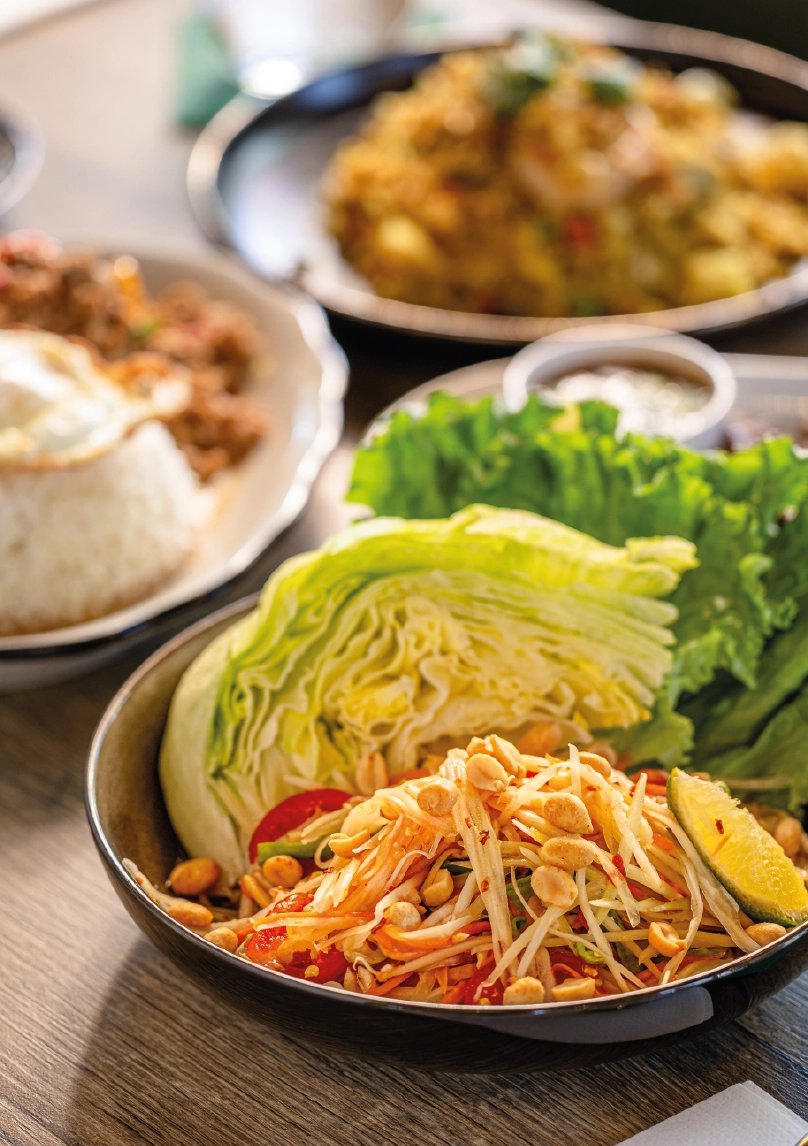
Even dishes like Som Tum (papaya salad) or Tom Yum soup often have a kick of heat, balanced by lime and herbs.
Chinese Food
Chinese food is usually less spicy, except for regional cuisines like Sichuan and Hunan. Most Chinese dishes have mild, savory, or sweet flavors, especially from Cantonese or Shanghai styles.
If you prefer food that is flavorful but not too spicy, Chinese cuisine might suit you better.
5. Rice and Noodles
Both Thai and Chinese cuisines treat rice and noodles as essential parts of a meal, but how they are used differs.
Thai Food
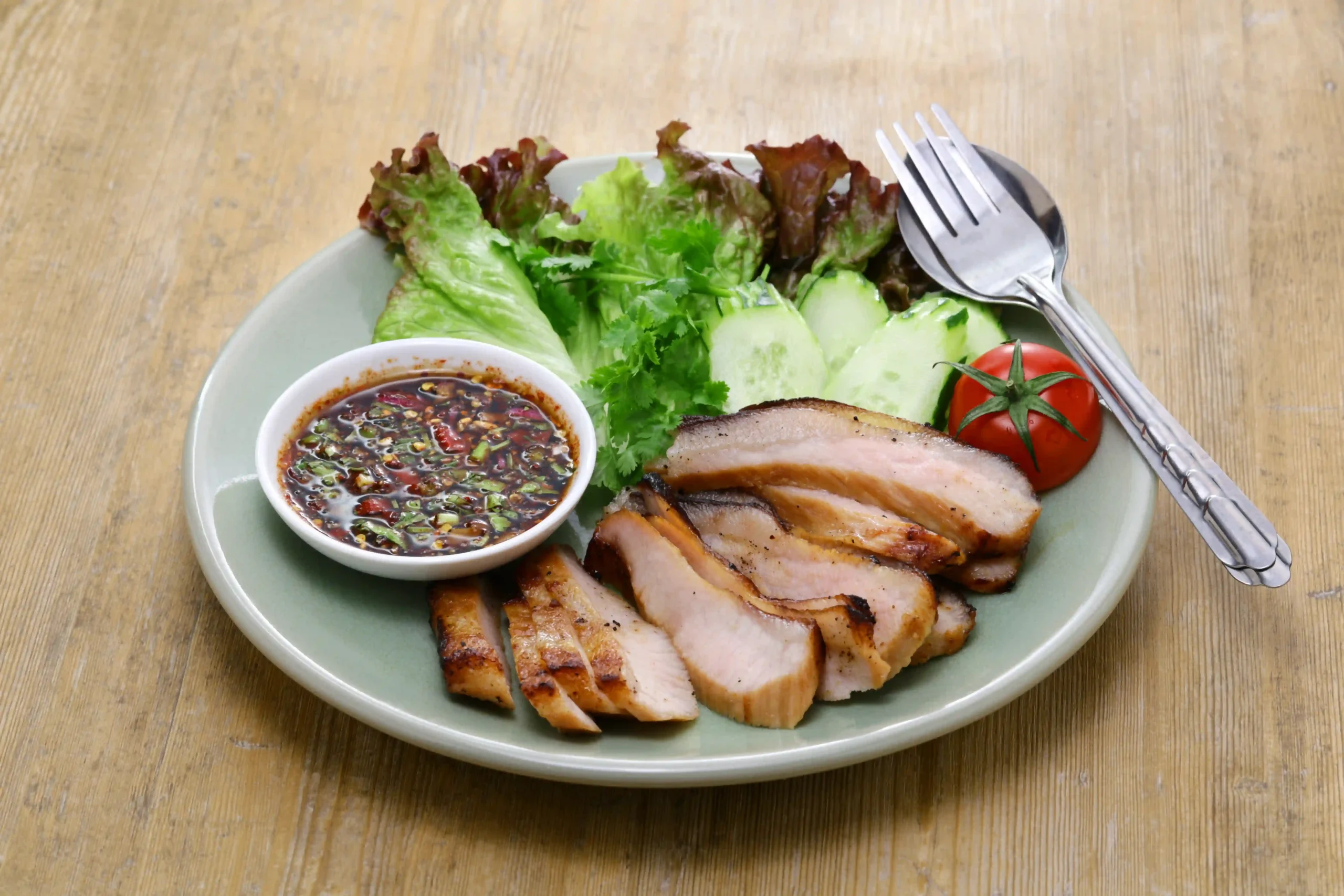
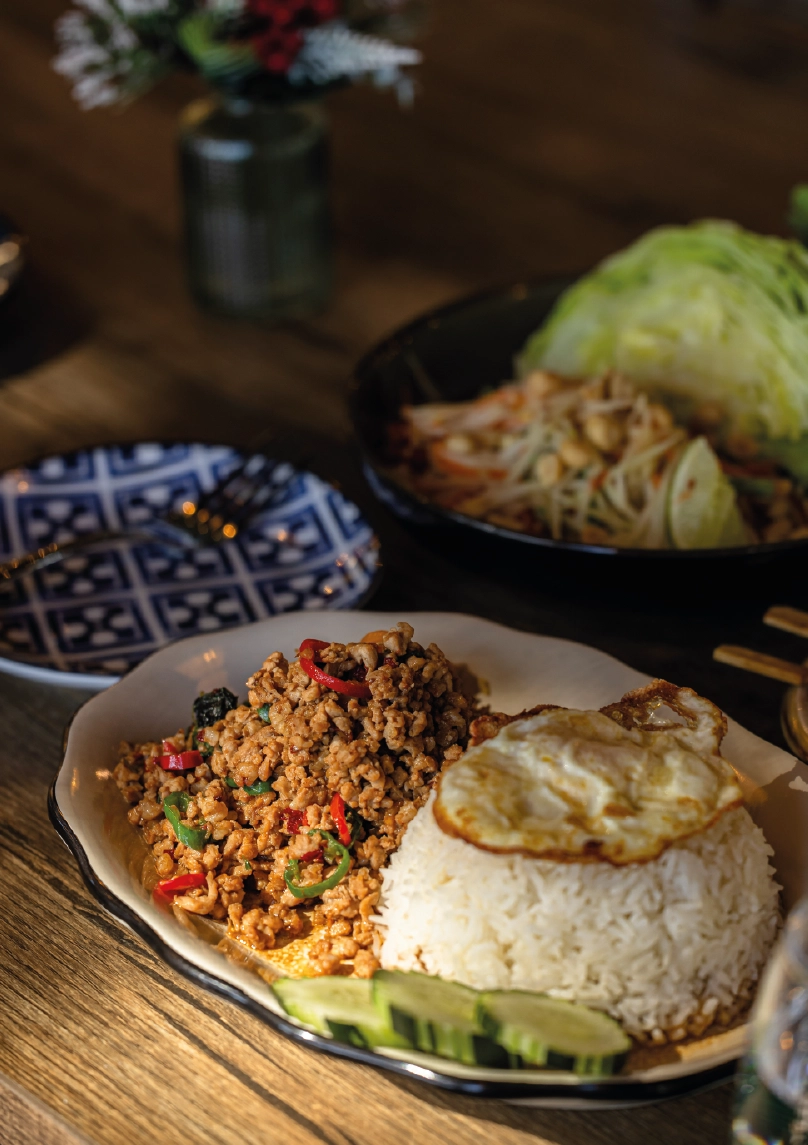
In Thailand, rice is a part of nearly every meal. The most popular is Jasmine rice, known for its fragrance and soft texture. In northern Thailand, sticky rice is commonly served with grilled meat or spicy salad.
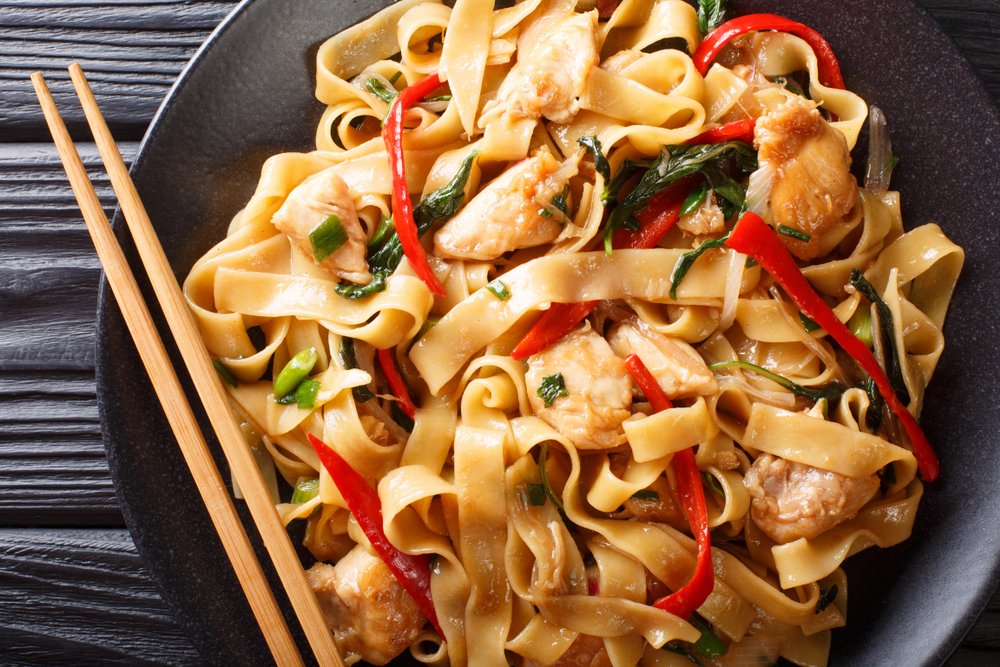
Thai noodles, such as those in Pad Thai or Pad See Ew, are usually made from rice and cooked with eggs, vegetables, and tangy sauces.
Chinese Food
China has more types of noodles and rice dishes. In southern China, white rice is common, while northern regions enjoy wheat noodles, dumplings, and steamed buns.
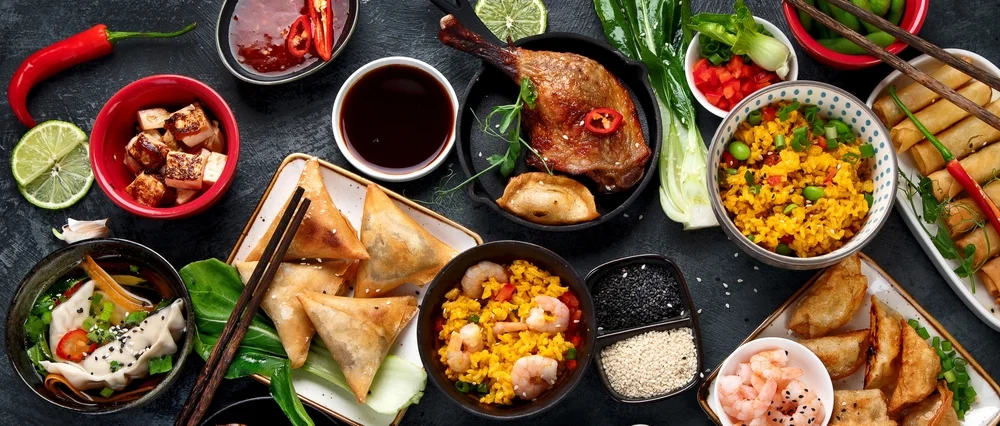
Chinese noodles can be made from egg, wheat, or rice, and they come in countless forms, thick, thin, flat, or round. Noodle soups, stir-fried noodles, and dumplings are all traditional comfort foods in Chinese cuisine.
6. Presentation and Dining Style
Thai Food
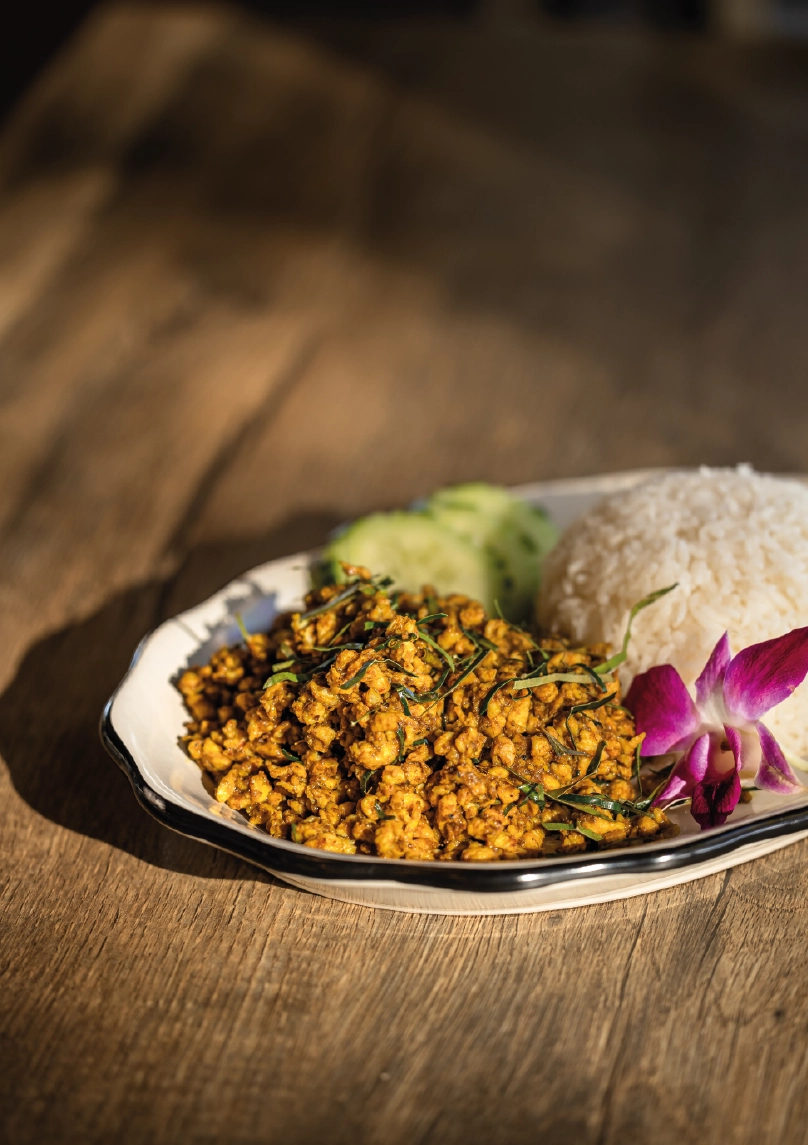
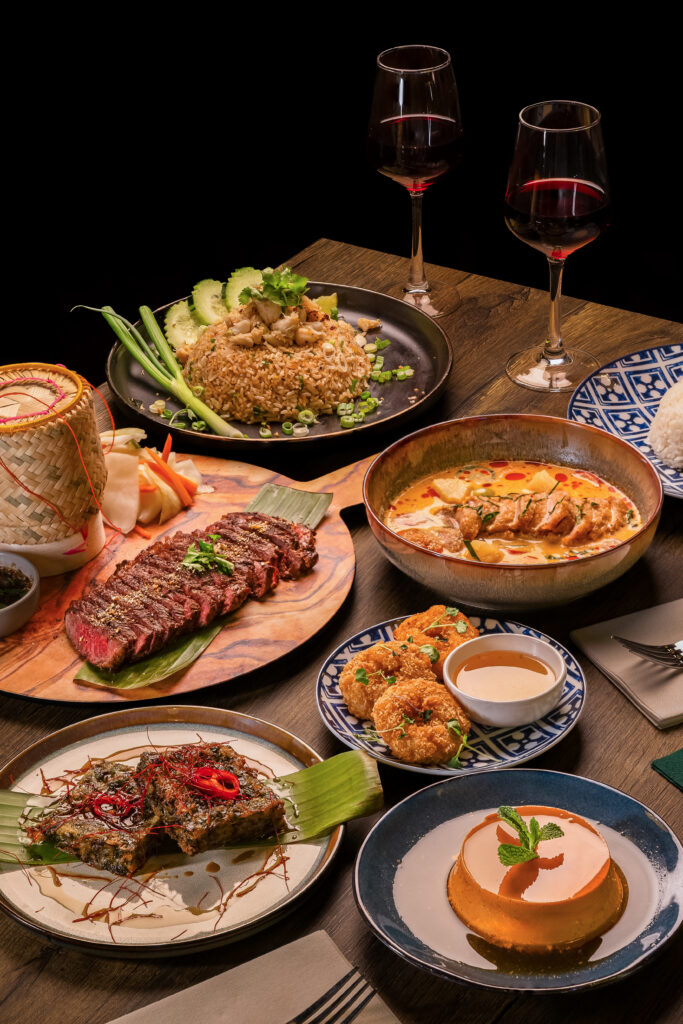
Thai meals are known for their vibrant colors and beautiful presentation. Dishes are often decorated with fresh herbs, vegetables, and edible flowers. Meals are shared among everyone at the table, with several small dishes served at once to balance flavors and textures.
A typical Thai meal might include a curry, a stir-fry, a soup, a salad, and rice.
Chinese Food
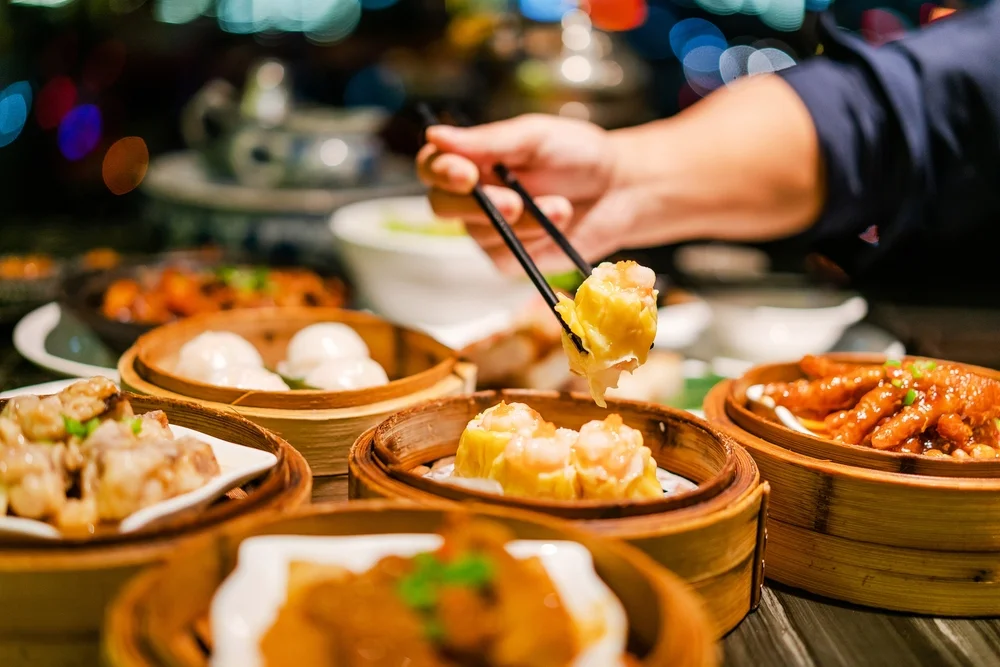
Chinese dining is also centered around sharing. Multiple dishes are placed on the table, and everyone takes small portions. The presentation is simple but elegant, focusing on the food’s aroma and texture.
Meals often include soup, rice or noodles, a vegetable dish, and one or two meat dishes.
7. Regional Flavors and Variety
Both Thailand and China have several regional cuisines that offer different tastes.
Thai Regional Food
- Central Thailand: Balanced dishes like Pad Thai and Green Curry.
- Northern Thailand: Herbal and mild, with sticky rice and pork dishes.
- Isan (Northeast): Spicy and sour dishes like papaya salad and grilled meat.
- Southern Thailand: Rich curries and seafood with bold spices.
Chinese Regional Food
- Cantonese: Light and fresh flavors, often steamed.
- Sichuan: Spicy and numbing with lots of chili and peppercorn.
- Hunan: Hot, sour, and deeply flavored.
- Shanghai: Sweet and soy-based.
- Northern: More wheat-based foods like noodles and dumplings.
This diversity shows that both cuisines have something for every taste preference.
8. Health and Nutrition
Both Thai and Chinese cuisines can be healthy when prepared with fresh ingredients.
- Thai food often includes lean meats, vegetables, and herbs that have natural healing properties. Dishes like Tom Yum soup and green curry are full of nutrients and antioxidants.
- Chinese food traditionally uses fresh vegetables, tofu, and seafood. Steaming and stir-frying help preserve nutrients, but modern versions can sometimes include more oil or salt.
When cooked the traditional way, both cuisines can be a healthy and satisfying choice.
Experience Authentic Thai Food in Orlando at Lim Ros
Both Thai and Chinese foods are full of culture, flavor, and history. Thai food is bright, aromatic, and spicy, offering a perfect balance of sweet, sour, salty, and hot. Chinese food, on the other hand, focuses on balance, richness, and comforting flavors that vary from one region to another.
If you love bold and fresh flavors, Thai food is something you must experience. And if you live in or around Orlando, or are planning to visit, there is no better place to try authentic Thai dishes than Lim Ros Thai Restaurant.
At Lim Ros in Orlando, you can enjoy all the best Thai favorites like Pad Thai, Green Curry, Tom Yum Soup, and Mango Sticky Rice, made with traditional recipes and the freshest ingredients. Whether you are a local or just visiting the city, Lim Ros is the perfect place to experience the rich and delicious world of Thai cuisine.
Come taste why so many people call Lim Ros the best Thai food in Orlando and discover how Thai flavors can turn any meal into something truly unforgettable.