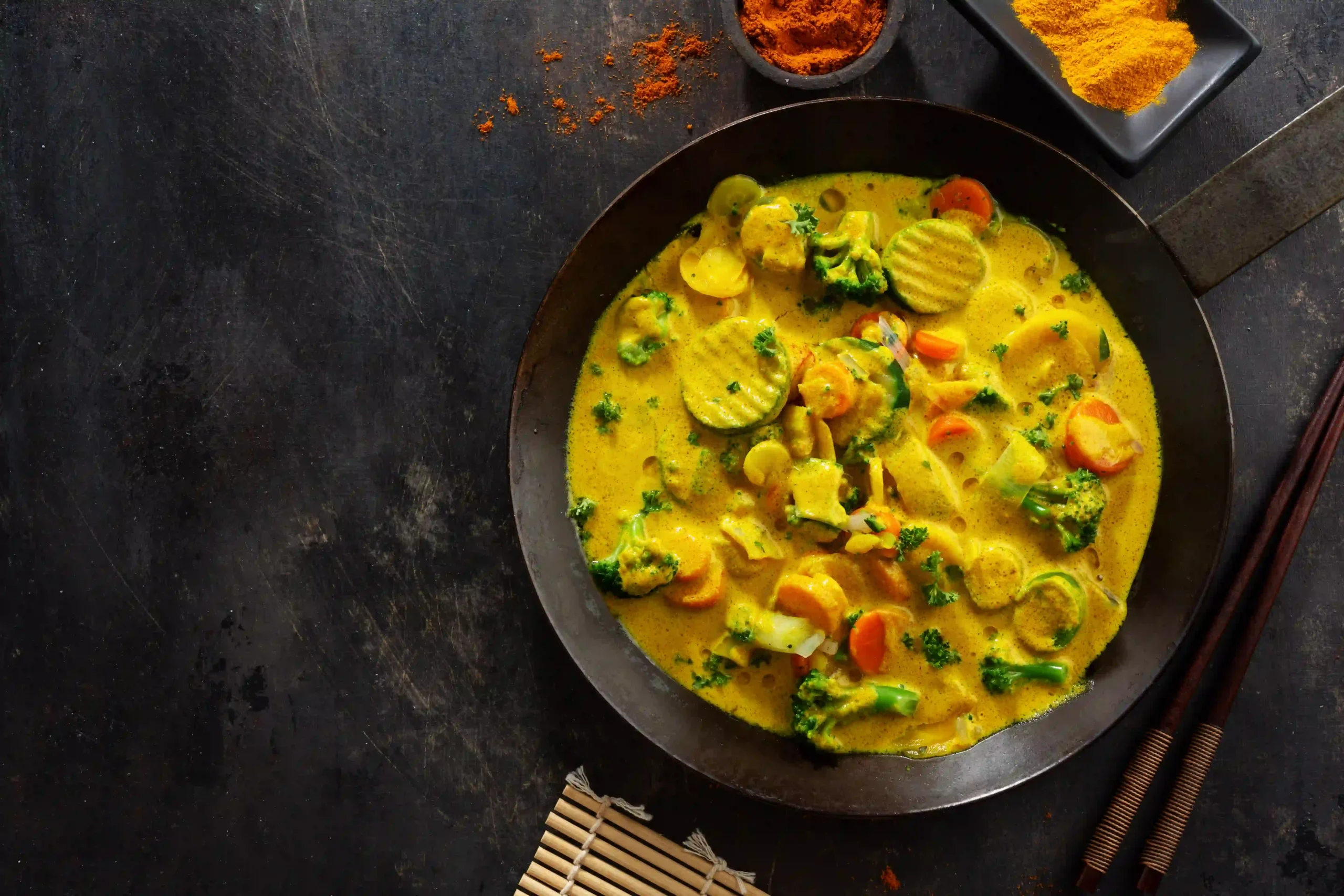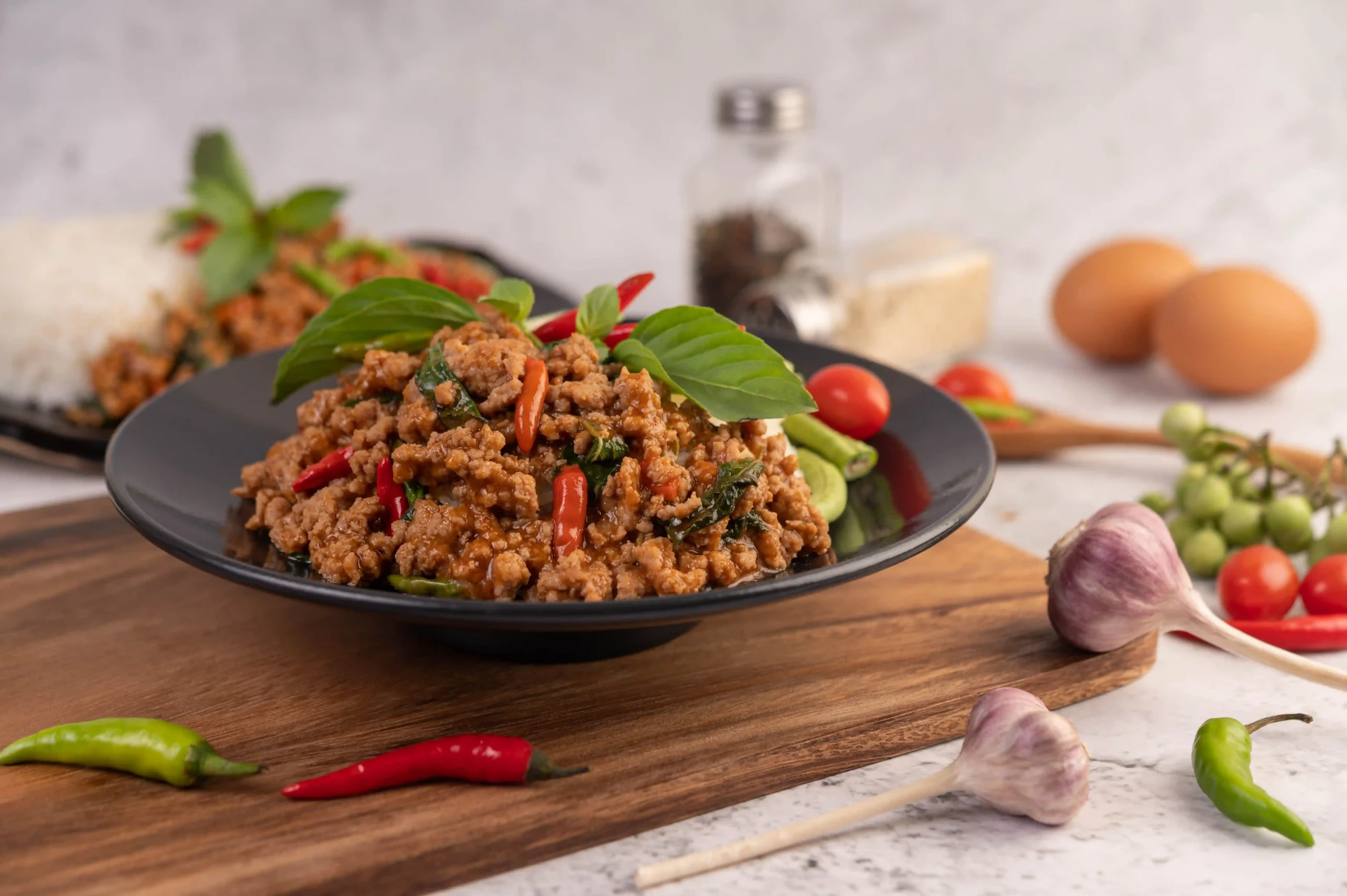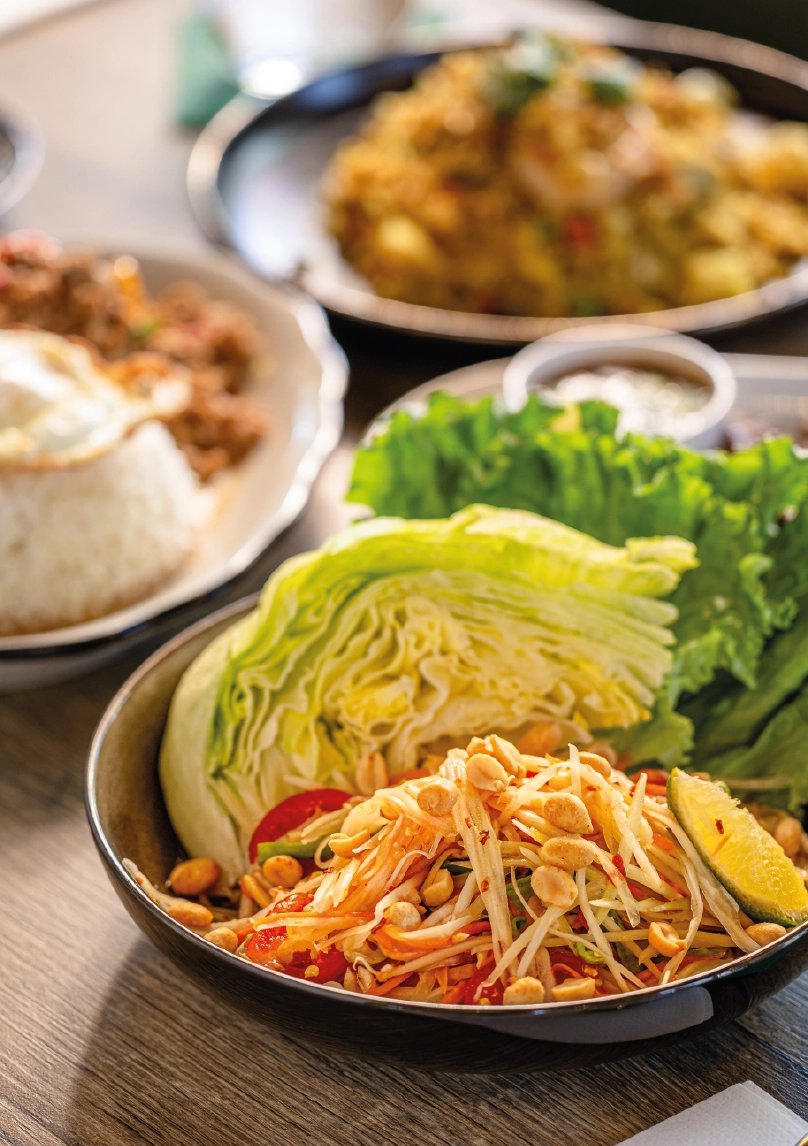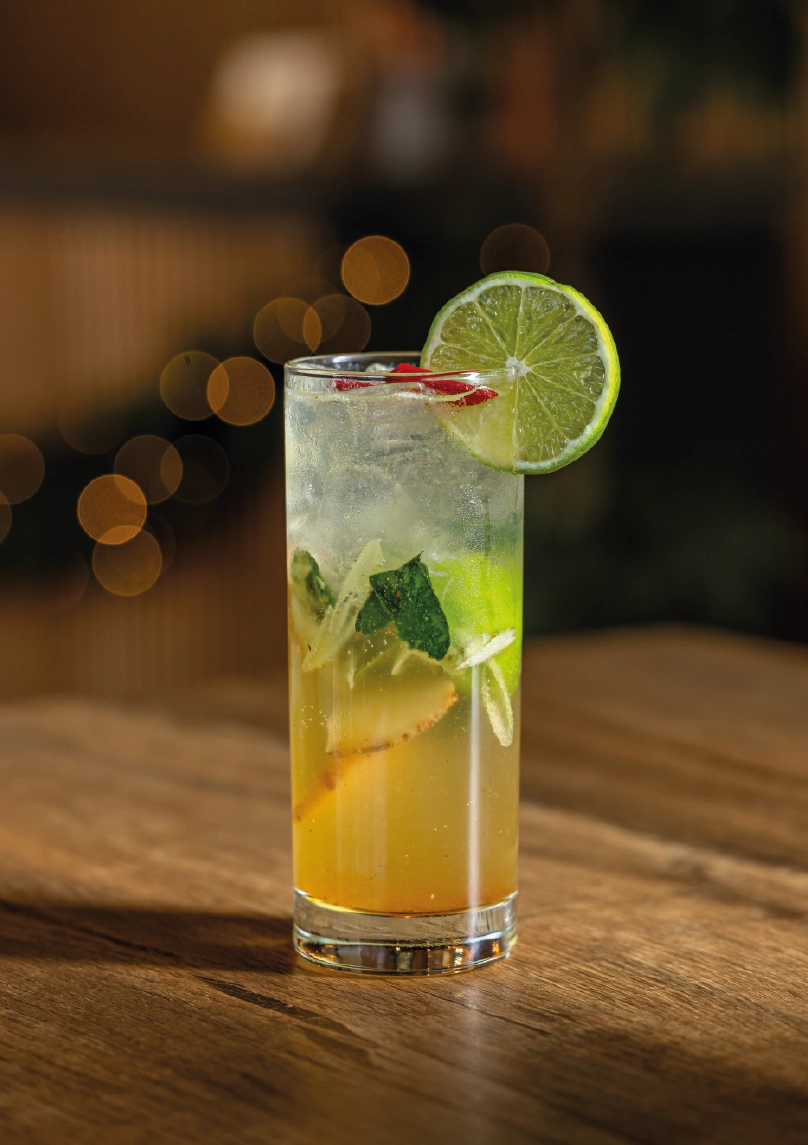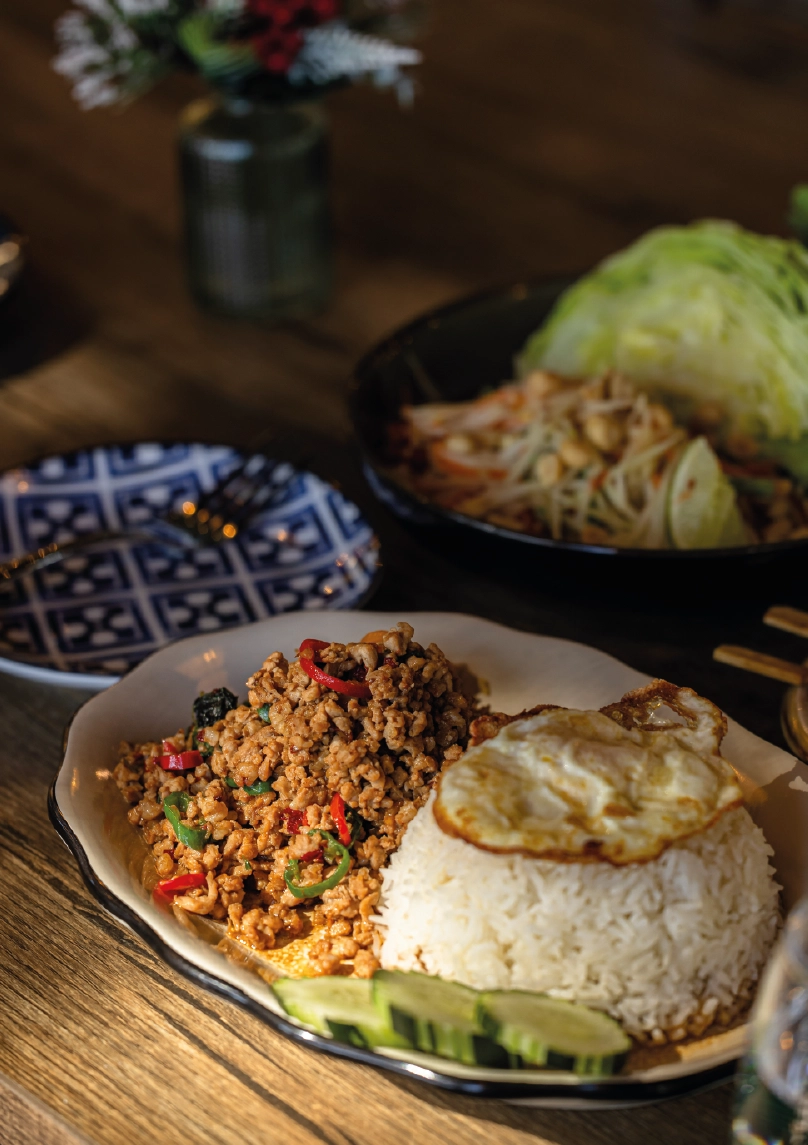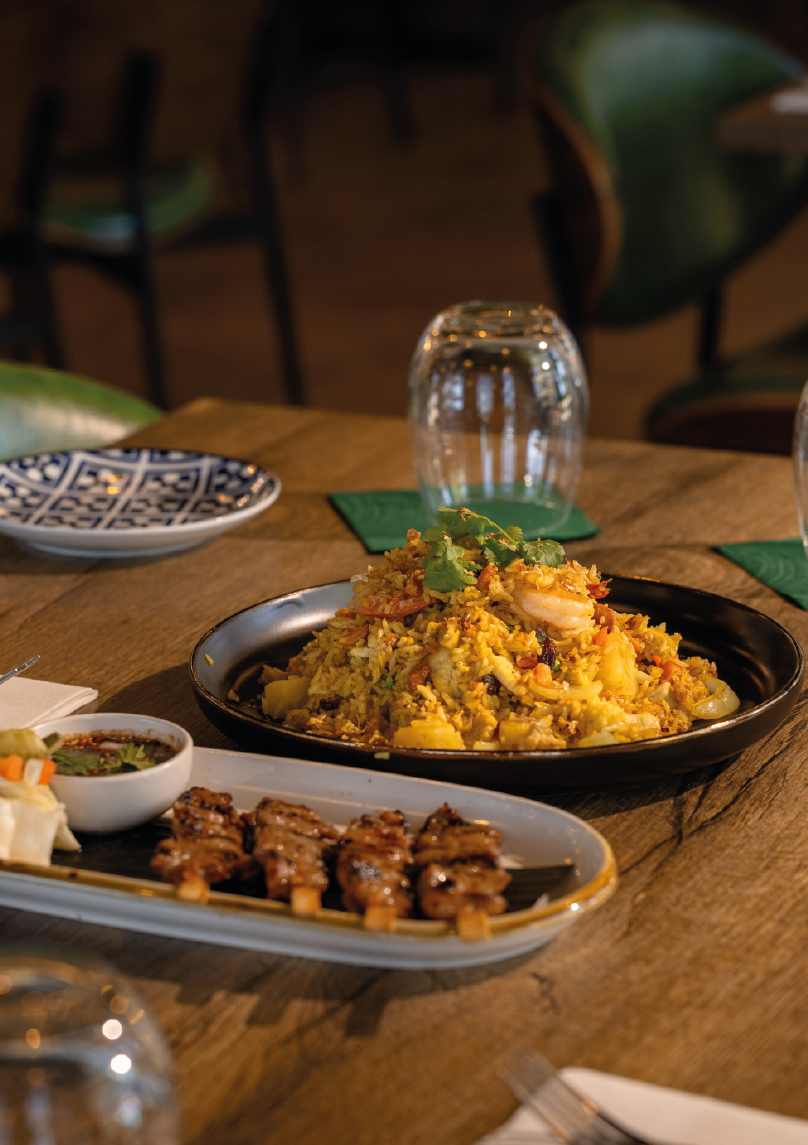
Spices in Thai food are one of the main reasons Thai cuisine is known around the world for its bold flavors, rich aromas, and balanced taste. Sweet, sour, salty, spicy, and bitter elements often come together in a single dish. One of the main reasons Thai cuisine feels so vibrant is its wide and thoughtful use of spices and herbs. These ingredients do more than add heat. They build layers of flavor, depth, and fragrance that define Thai cooking.
If you have ever wondered what spices are in Thai food, this detailed guide will walk you through the most commonly used spices and aromatic ingredients, how they are used, and why they matter so much in Thai cuisine.
The Role of Spices in Thai Food
Thai food does not rely on one dominant spice. Instead, it uses combinations of spices, herbs, and seasonings to create harmony. Spices are often blended into curry pastes, soups, stir fries, and marinades. Many are used fresh, while others are dried or ground.
Unlike some cuisines that focus heavily on dried spices, Thai cooking balances dried spices with fresh aromatics such as roots, leaves, and stems. This mix gives Thai dishes their signature freshness and complexity.
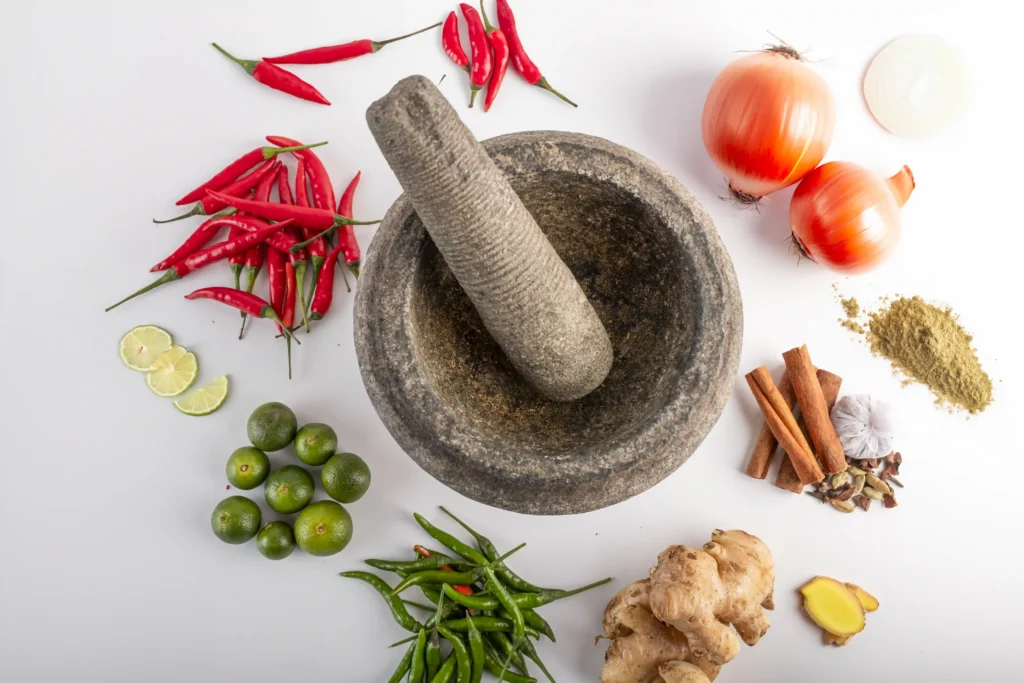
Chili peppers
Chili peppers are one of the most recognizable ingredients and spices in Thai food. They provide heat, but they also add flavor and color.
Thai cuisine uses several types of chilies, including small bird’s eye chilies, dried red chilies, and larger mild chilies. Fresh chilies are often used in salads, sauces, and stir fries, while dried chilies are commonly used in curry pastes.
The heat level can vary widely depending on how many chilies are used and whether the seeds are included.
Garlic
Garlic is one of the foundational spices in Thai food. It adds a savory and slightly sweet depth to dishes.
Garlic is commonly pounded into pastes, fried until golden for garnishes, or added directly to stir fries and soups. It pairs especially well with chilies and fish sauce, creating a strong base flavor.
Shallots
Shallots are closely related to onions but have a milder and slightly sweeter taste. They are used extensively in Thai food, both raw and cooked.
In curry pastes, shallots provide sweetness and balance. When fried, they become crispy and are often used as toppings for soups, salads, and rice dishes.
Lemongrass
Lemongrass is one of the most distinctive ingredients in Thai cuisine. It has a fresh, citrus like aroma that brightens dishes.
It is commonly used in soups, curries, and marinades. Lemongrass stalks are usually bruised or finely chopped to release their flavor. While it is not always eaten whole, its aroma infuses the dish.
Galangal
Galangal is a root similar to ginger, but its flavor is sharper, more peppery, and slightly citrusy. It is a key ingredient in many Thai soups and curry pastes.
Galangal adds warmth and complexity rather than heat. It is often sliced or pounded and simmered in liquids to release its flavor.
Ginger
Although galangal is more traditional, ginger is also used in Thai cooking, especially in stir fries and lighter dishes.
Ginger adds a warm, slightly spicy taste and helps balance rich or oily foods. It is often sliced thin or julienned.
Coriander seeds
Coriander seeds are among the most important spices in Thai food. They have a warm, nutty, and slightly citrusy flavor.
They are commonly toasted and ground for curry pastes, marinades, and spice blends. Coriander seeds provide depth without overpowering other ingredients.
Cumin seeds
Cumin seeds are common spices in Thai food that add earthiness and warmth to Thai dishes. They are often used in curry pastes, especially those influenced by southern Thai cooking.
Cumin is usually toasted before grinding, which enhances its aroma and flavor.
White pepper
White pepper is preferred over black pepper in many Thai recipes. It has a sharper and slightly fermented taste.
It is commonly used in soups, stir fries, and marinades. White pepper blends smoothly into dishes and adds subtle heat without changing color.
Black pepper
Black pepper is also used, though less frequently than white pepper. It adds a bold, slightly woody heat.
Some Thai stir fries and meat dishes use crushed black pepper for a stronger bite.
Kaffir lime peel
The peel of kaffir lime is highly aromatic and adds intense citrus fragrance. While the leaves are more commonly used, the peel is sometimes dried or ground into curry pastes.
It contributes brightness and complexity to rich dishes.
Cardamom
Cardamom is used mainly in Thai curries influenced by neighboring regions. It has a sweet, floral, and slightly spicy flavor.
It is often added whole to slow cooked dishes and removed before serving.
Cinnamon
Cinnamon is not used in all Thai dishes, but it plays an important role in some curries and stews. It adds warmth and gentle sweetness.
Cinnamon sticks are usually simmered with other spices and meats.
Star anise
Star anise adds a sweet, licorice like flavor. It is more commonly found in Thai meat stews and soups.
It pairs well with cinnamon and cardamom, creating a rich and aromatic spice profile.
Cloves
Cloves have a strong, warm, and slightly sweet flavor. They are used sparingly in Thai cooking to avoid overpowering the dish.
Cloves are often added whole to curries and braised dishes.
Turmeric
Turmeric is one of the most colorful spices in Thai food, especially in southern Thai cuisine. It gives dishes a bright yellow color and an earthy, slightly bitter taste.
Fresh turmeric root is preferred when available, but dried turmeric powder is also used.
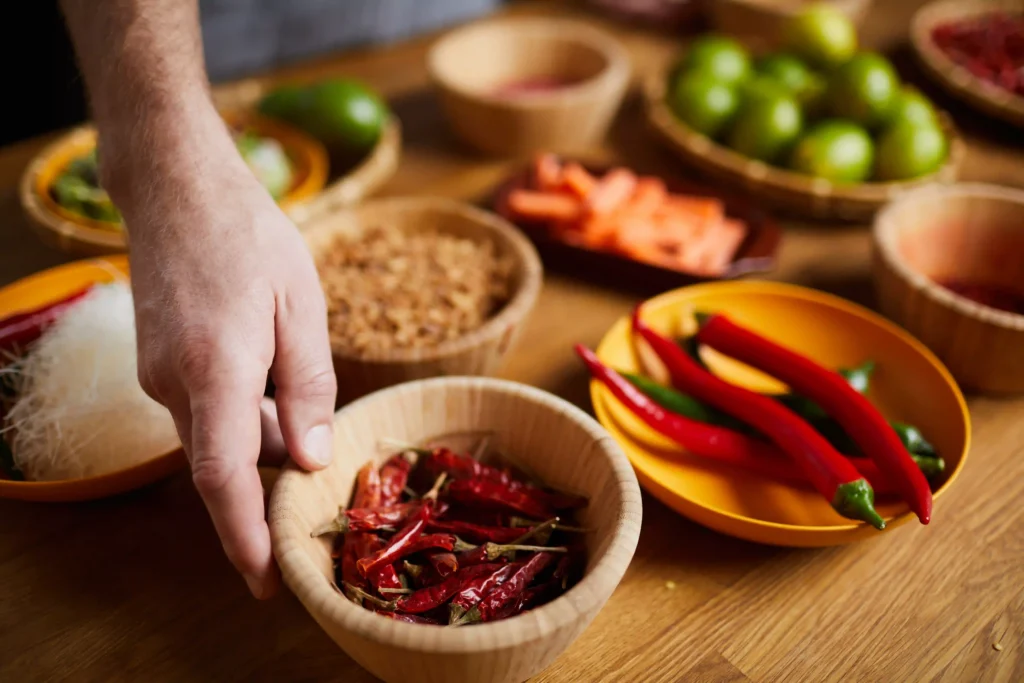
Shrimp paste as a seasoning
While not a spice in the traditional sense, shrimp paste plays a crucial role in Thai flavor profiles. It adds saltiness and deep umami.
Shrimp paste is often blended with spices and herbs to form curry pastes. Its strong smell mellows during cooking.
Fish sauce as a flavor enhancer
Fish sauce is another essential seasoning that works alongside spices. It provides saltiness and depth rather than heat.
When combined with chilies, garlic, and herbs, fish sauce helps bring all the flavors together.
Curry pastes and spice blends
Many Thai dishes start with curry pastes. These pastes combine multiple spices and herbs into a single powerful base.
A typical curry paste may include dried chilies, garlic, shallots, lemongrass, galangal, coriander seeds, cumin, and shrimp paste. The exact blend varies depending on the type of curry and region.
Regional differences in spice use
Different regions use spices in Thai food in unique ways, which is why flavors vary across the country. Thai cuisine varies by region, and spice use changes accordingly.
Northern Thai food tends to be milder and focuses more on herbs than intense heat. Southern Thai food is often spicier and uses more turmeric and dried spices. Central Thai cuisine balances sweetness, spice, and salt.
These regional differences explain why Thai food can taste very different depending on where it comes from.
How spices are prepared in Thai cooking
Preparation matters as much as the spices themselves. Many spices are toasted to bring out their aroma. Fresh ingredients are often pounded in a mortar and pestle rather than blended, which creates a more textured and fragrant paste.
This traditional method releases essential oils and enhances flavor.
Health benefits of Thai spices
Many spices used in Thai food have health supporting properties. Chilies may help boost metabolism, turmeric is known for its anti-inflammatory qualities, and ginger can aid digestion.
These benefits are an added bonus to the rich flavors.
Why Thai food tastes so balanced
Understanding spices in Thai food helps explain why Thai cuisine feels balanced, aromatic, and full of flavor. If you are still asking what spices are in Thai food, the answer is not just a list of ingredients. It is the careful balance of spices, herbs, and seasonings.
No single spice dominates. Each ingredient plays a role in creating harmony between heat, freshness, richness, and aroma.
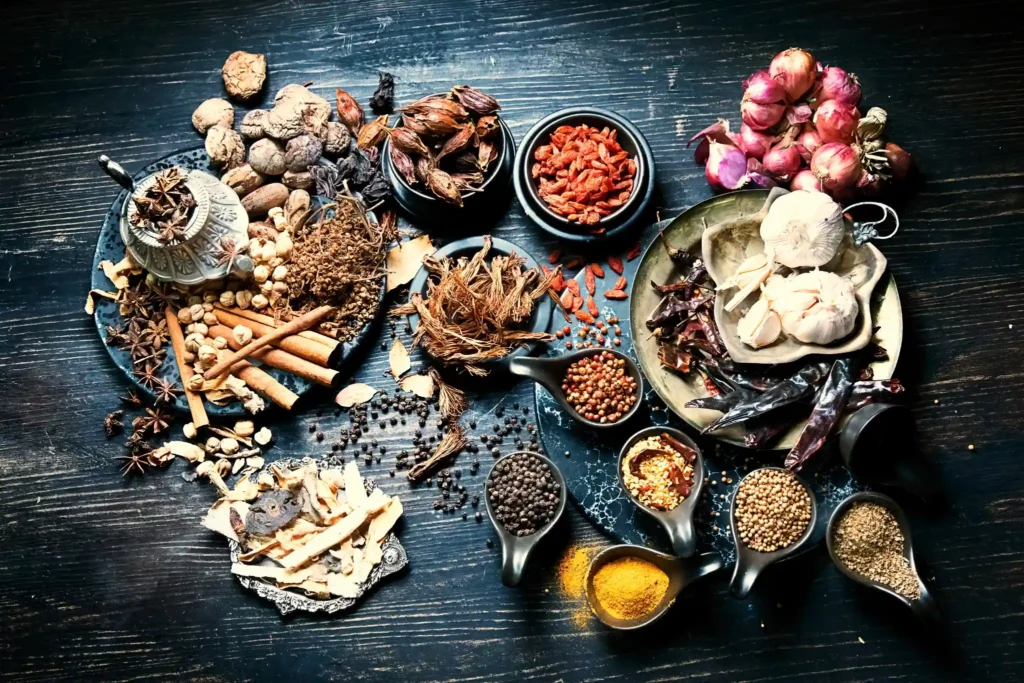
Cooking Thai food at home
When cooking Thai food at home, start with a few essential spices such as dried chilies, coriander seeds, cumin, white pepper, garlic, and lemongrass. As you grow more comfortable, you can add specialty ingredients like galangal and kaffir lime peel.
Using fresh ingredients whenever possible makes a noticeable difference.
Conclusion
Understanding what spices are in Thai food helps explain why Thai cuisine is so loved around the world. From fiery chilies to fragrant lemongrass and warm spices like cumin and coriander, each ingredient contributes to a complex and satisfying experience.
The combination of spices in Thai food creates the depth, aroma, and bold taste people enjoy worldwide. Thai food is not just about spice level. It is about balance, aroma, and thoughtful combinations. Whether you enjoy mild dishes or bold flavors, the spices in Thai food offer something for everyone.