Thai tea is a sweet, creamy, and aromatic drink that has become popular around the world. Its vibrant orange color and unique flavor make it stand out from other teas. If you have ever enjoyed Thai tea at a restaurant or made it at home, you may have wondered whether it contains caffeine.
If you are wondering “Does Thai tea have caffeine?”, the short answer is yes, Thai tea usually has caffeine because it is made from strongly brewed black tea. But the amount can vary depending on how it is prepared. This guide will help you understand where the caffeine comes from, how much caffeine is in Thai tea, how it affects your body, and what options you have if you want to reduce your caffeine intake.
What Is Thai Tea?
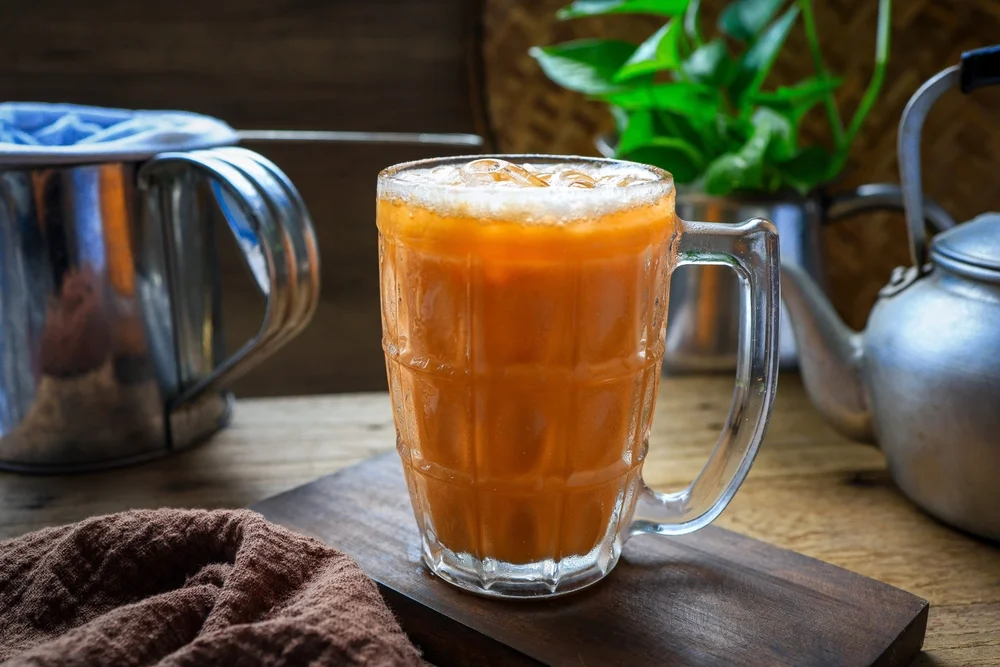
Thai tea, known in Thailand as “cha yen,” is a drink made from black tea leaves, sugar, and milk. It is usually served over ice, making it a refreshing beverage. In Thai restaurants, it is commonly paired with spicy food because its sweetness helps balance the flavors.
Traditional Thai tea is brewed using strong black tea leaves. After brewing, sugar and sometimes condensed milk are added to give it a sweet taste. It can be finished with evaporated milk or whole milk for creaminess. This preparation gives Thai tea its rich flavor, deep aroma, and bright orange color.
The orange color does not come from the tea leaves themselves but from added food coloring that is used in many Thai tea mixes. The actual base is still black tea, which naturally contains caffeine.
Why Does Thai Tea Have Caffeine
Caffeine in Thai tea comes from the black tea used as the base. Black tea is made from the leaves of the Camellia sinensis plant, the same plant used to make green tea, oolong tea, and white tea. The difference is in how the leaves are processed.
Black tea goes through full oxidation, which gives it a stronger flavor and higher caffeine content compared to some other types of tea. Because Thai tea is usually brewed using a generous amount of tea leaves, the resulting drink tends to have a noticeable level of caffeine.
The longer and stronger the brewing process, the more caffeine ends up in the final cup.
How Much Caffeine Is in Thai Tea?
The amount of caffeine in Thai tea can vary depending on how it is made, the type of tea leaves used, and how long the tea is steeped. On average:
- One 8-ounce cup of Thai tea typically contains 30 to 60 milligrams of caffeine.
- A larger 16-ounce serving can contain 60 to 120 milligrams.
This is similar to other black tea drinks and slightly less than the amount found in a typical cup of brewed coffee, which can contain about 95 milligrams per 8-ounce cup.
If the tea is steeped longer or more tea leaves are used, the caffeine content can be higher. Sweeteners and milk do not affect the caffeine amount, but they do change the flavor and texture.
Factors That Influence Caffeine Levels in Thai Tea
Several factors can change the amount of caffeine in your Thai tea. Understanding these can help you manage how much caffeine you consume.
1. Type of Tea Leaves
Some Thai tea mixes use strong Assam black tea, which is known for its bold flavor and higher caffeine levels. Others use milder black tea blends with slightly less caffeine.
2. Brewing Time
The longer the tea leaves are steeped in hot water, the more caffeine is released. A quick steep will result in a lighter drink, while a long steep will give a stronger taste and more caffeine.
3. Amount of Tea Used
More tea leaves mean more caffeine. If you want a lighter drink, you can reduce the amount of tea leaves used per cup.
4. Serving Size
Caffeine adds up with serving size. A small glass will contain less caffeine than a large restaurant-sized cup.
5. Instant vs Fresh Brew
Some instant Thai tea mixes may have slightly less caffeine than fresh brewed tea, but they still contain some because they are made from black tea extract.
Comparing Thai Tea Caffeine to Other Drinks
To get a better idea of how Thai tea fits into your daily caffeine intake, here is a comparison with other common drinks:
| Beverage | Caffeine (per 8 oz) |
| Thai tea | 30 to 60 mg |
| Brewed coffee | 80 to 100 mg |
| Black tea | 40 to 70 mg |
| Green tea | 20 to 45 mg |
| Matcha | 50 to 70 mg |
| Cola | 20 to 40 mg |
| Energy drink (standard) | 70 to 100 mg |
| Decaf coffee | 2 to 5 mg |
As you can see, Thai tea falls in the middle range. It has more caffeine than green tea but usually less than coffee.

How Caffeine in Thai Tea Affects the Body
Caffeine affects people in different ways. For most people, moderate amounts of caffeine can help improve alertness and focus. Here are some common effects of caffeine in Thai tea:
- Increased energy and reduced fatigue
- Improved concentration and mental clarity
- Temporary mood lift
- Slight increase in heart rate and metabolism
However, too much caffeine can lead to:
- Jitters or nervousness
- Trouble sleeping
- Fast heartbeat
- Upset stomach
If you are sensitive to caffeine, it is a good idea to limit how much Thai tea you drink or choose a decaffeinated version.
When to Avoid Too Much Caffeine
For most healthy adults, the recommended daily caffeine limit is about 400 milligrams. That equals around four or five 8-ounce cups of Thai tea. However, some people should be more cautious.
- Pregnant or breastfeeding individuals: Caffeine can pass through the placenta or breast milk, so lower intake is often advised.
- People with sleep issues: Caffeine can interfere with sleep, especially if consumed late in the day.
- Those with anxiety: High caffeine intake can worsen feelings of anxiety in some individuals.
- People with certain heart conditions: Caffeine can increase heart rate and blood pressure.
If you are unsure about your caffeine limits, it is best to talk to your healthcare provider.
How to Reduce Caffeine in Thai Tea
If you love the taste of Thai tea but want to lower your caffeine intake, there are several easy options:
1. Use Fewer Tea Leaves
Simply using less tea in your brew can significantly reduce caffeine.
2. Shorten Brewing Time
Brew the tea for a shorter period to release less caffeine while still keeping the flavor.
3. Try Decaffeinated Black Tea
Some Thai tea mixes can be made using decaf black tea, which gives you the flavor without the caffeine.
4. Mix with Milk or Ice
Diluting the tea with more milk or ice lowers the caffeine per serving.
5. Choose Smaller Servings
Drinking a smaller portion instead of a large glass can help you stay within your caffeine comfort zone.
Thai Tea vs Thai Milk Tea: Is There a Difference?
Many people use the terms “Thai tea” and “Thai milk tea” interchangeably. In most cases, they refer to the same drink. Thai milk tea simply highlights the use of sweetened condensed milk or evaporated milk for a creamy finish.
The caffeine level is the same in both because the caffeine comes from the black tea base, not from the milk or sweetener. If you order Thai tea without milk, it may taste stronger because it is not diluted, but the actual caffeine content stays the same.

Thai Tea and Health Benefits
Thai tea contains black tea, which has some potential health benefits when consumed in moderation. Some of these include:
- Antioxidants that help fight free radicals
- Support for heart health
- Possible improvement in focus and mental clarity
- Gentle energy boost without the crash of some energy drinks
Keep in mind that Thai tea served in restaurants often contains a lot of sugar. High sugar intake can lead to weight gain, increased blood sugar levels, and other health issues. If you make Thai tea at home, you can control the amount of sugar used to make it a healthier drink.
How to Make Thai Tea at Home
Making Thai tea at home is simple and allows you to control the ingredients. Here is a basic recipe:
Ingredients:
- 2 tablespoons of Thai tea mix or black tea leaves
- 1 cup of hot water
- 1 to 2 tablespoons of sugar (adjust to taste)
- 2 tablespoons of sweetened condensed milk or evaporated milk
- Ice cubes
Instructions:
- Brew the tea in hot water for about 3 to 5 minutes.
- Strain the tea leaves and add sugar while it is hot.
- Let it cool slightly.
- Pour over a glass of ice.
- Top with milk for creaminess.
- Stir and enjoy.
To reduce caffeine, use less tea or shorten the brewing time.

Decaffeinated Thai Tea Options
For those who are sensitive to caffeine or want to enjoy Thai tea later in the day without affecting sleep, decaf options are available. Many stores sell decaffeinated black tea, which can be used in place of regular tea leaves.
You can also find herbal alternatives that mimic the flavor but do not contain caffeine at all. While these may taste slightly different from traditional Thai tea, they can be a good choice for caffeine-sensitive individuals.
Conclusion
Thai tea does contain caffeine because it is made from black tea, which is naturally caffeinated. The exact amount can vary depending on how the tea is brewed, the amount of tea used, and the serving size. On average, it contains less caffeine than coffee but more than green tea.
If you are trying to limit your caffeine intake, you can adjust how you brew your tea or choose a decaffeinated version. Thai tea can be enjoyed in moderation as part of a balanced diet. Understanding how much caffeine it contains helps you make informed choices about when and how to enjoy this flavorful drink.
Whether you sip it in a restaurant or prepare it at home, Thai tea remains a favorite for its sweet and creamy taste. By managing your caffeine intake wisely, you can enjoy it any time of day.
Frequently Asked Questions About Thai Tea and Caffeine
1. Does Thai tea always have caffeine?
Yes, traditional Thai tea is made from black tea, which naturally contains caffeine.
2. Is Thai tea stronger than coffee?
No, Thai tea usually has less caffeine than a cup of coffee.
3. Can I drink Thai tea at night?
If you are sensitive to caffeine, drinking it at night may affect your sleep. Choose a decaf version or drink it earlier in the day.
4. Does adding milk reduce caffeine?
No, adding milk does not reduce caffeine, but it can make the drink feel smoother and less intense.
5. How can I make Thai tea with low caffeine?
Use fewer tea leaves, shorten brewing time, or use decaf tea.
6. Is Thai tea safe during pregnancy?
Moderate caffeine intake is usually considered safe for many pregnant individuals, but it is best to check with your doctor.
7. Does Thai iced tea have more caffeine than hot Thai tea?
No, the caffeine amount is determined by how it is brewed, not by whether it is iced or hot.
8. Are instant Thai tea mixes lower in caffeine?
Some instant mixes may have slightly less caffeine, but they still contain caffeine because they are made from tea extract.
9. Can I find caffeine-free Thai tea?
Yes, decaffeinated black tea and herbal versions are available.
10. How does caffeine in Thai tea compare to energy drinks?
Thai tea has less caffeine than most energy drinks.